
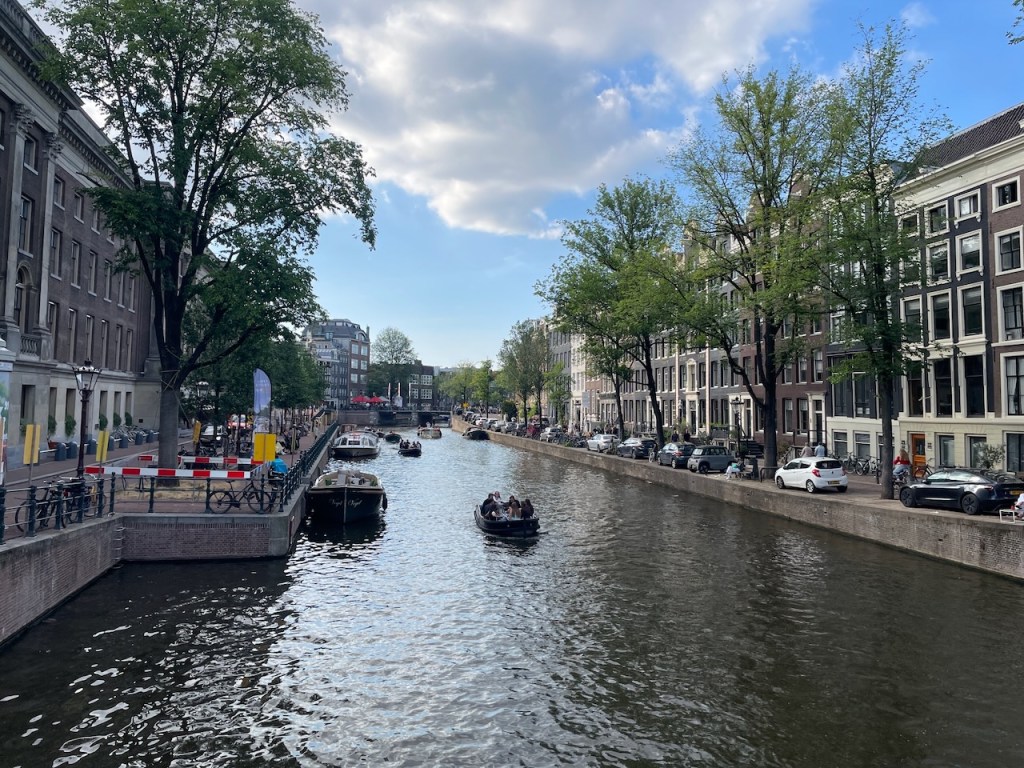
Amsterdam is, to my eyes, old and weary. Set against a washed-out sky and the promise of rain, the old grey buildings are drab, the cobbled streets dirty and the much-vaunted canals murky brown.
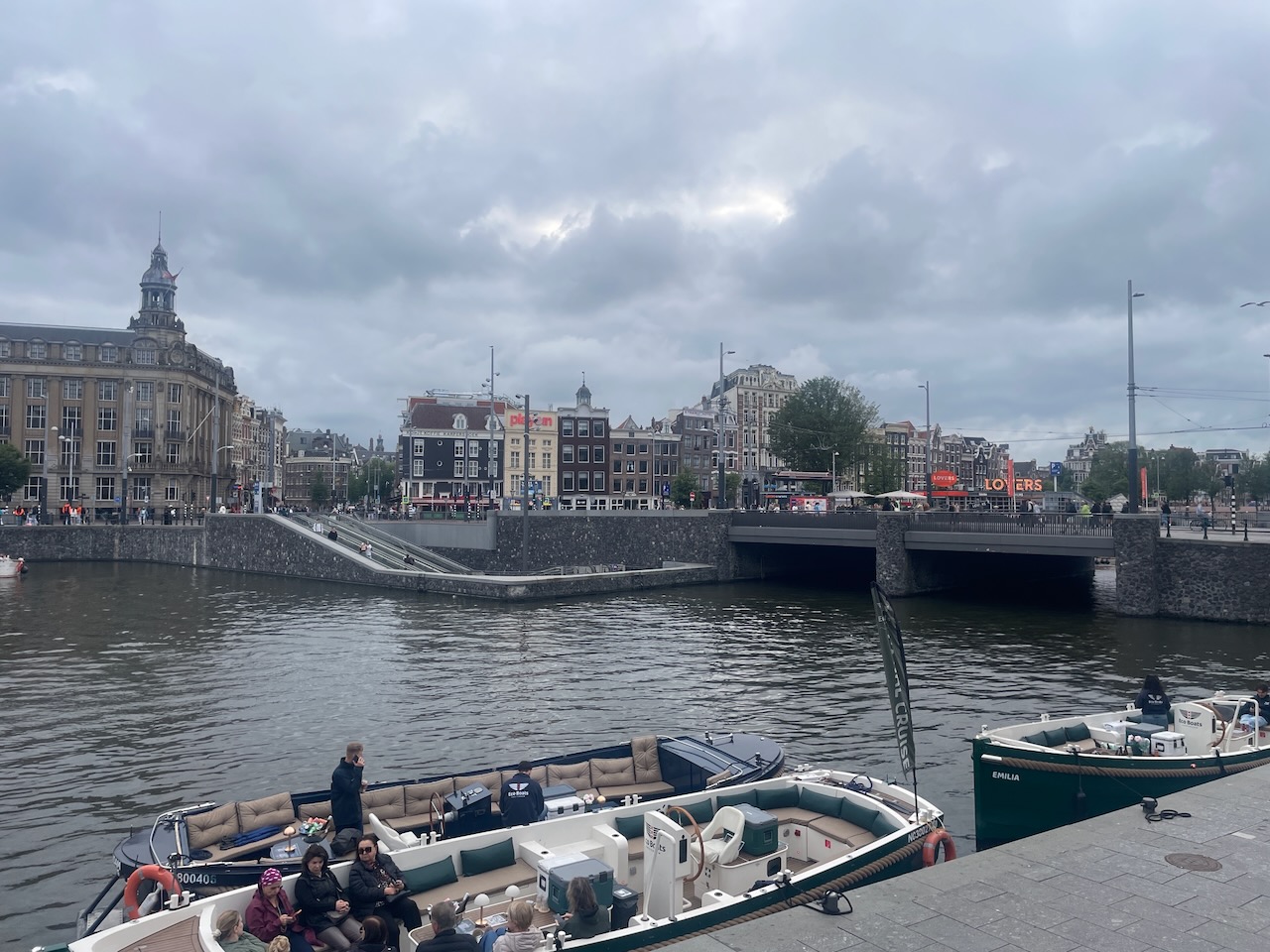
But perhaps it is my mood. When I visit, it’s my birthday, I’m on my own and I’ve chosen badly when it comes to accommodation. At the ripe old age of 54 I should know myself better. Being in my own company is about the last way I’d choose to celebrate the joy of being alive for another trot around the sun.
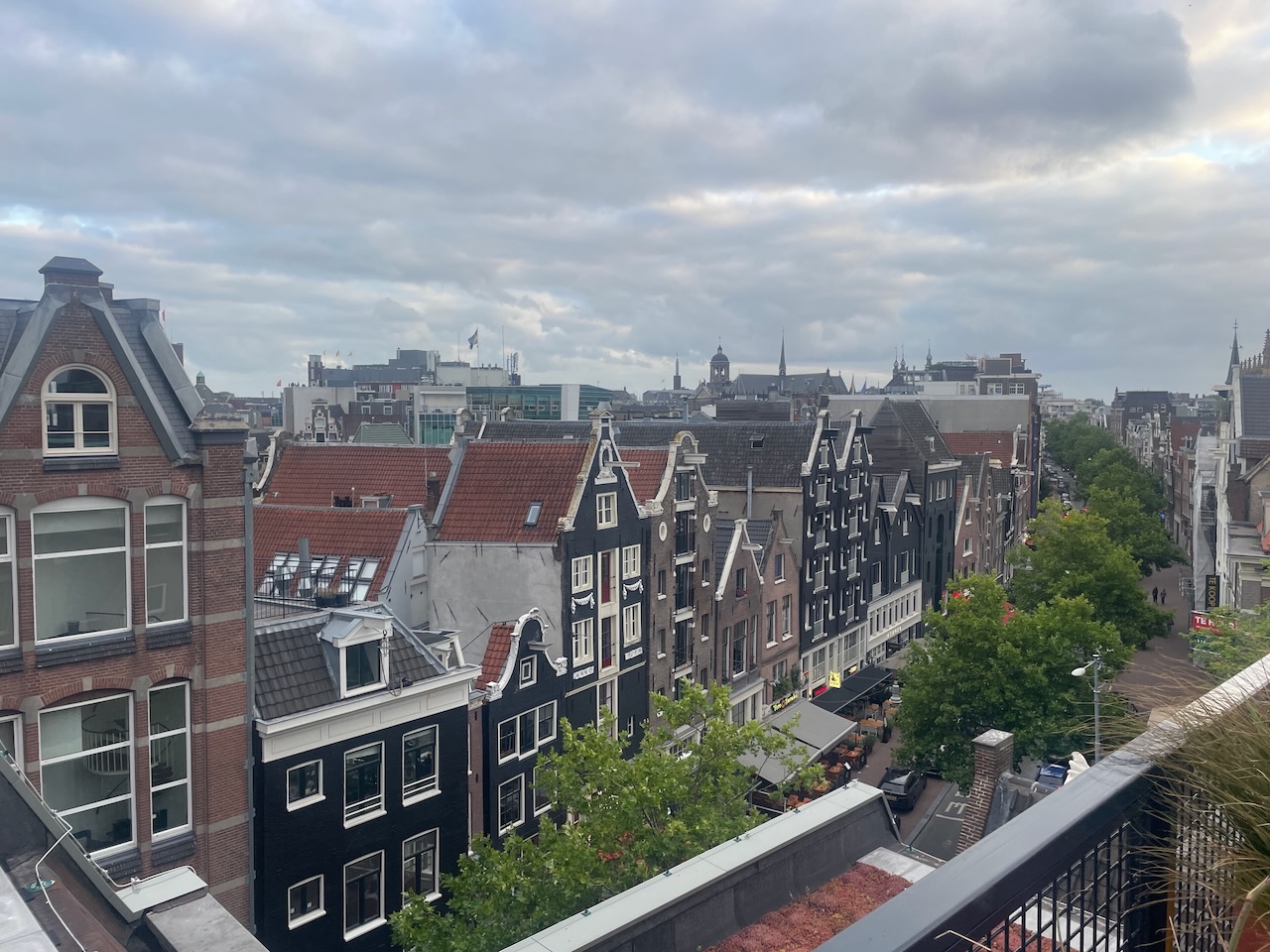
Nonetheless, I drag myself out of my school-leaver infested hostel and find a delightful roof top bar. Two Mexican style cocktails, friendly staff and a taste of almost every delightfully delicious tapa on the menu restores my good faith. From above, as is often the way with cities, the view gives one a little more perspective. Hooray for roof-top bars.
Regardless, I jump at the chance to skip out on Amsterdam for a couple of nights and gatecrash my sister’s canal side holiday in Loosdrecht, fortuitously a mere 30 min uber drive away.
It’s not often we allow ourselves to veer from the path we plan, and there is something decadent about not sleeping in a bed you’ve paid for. But it is with delight that I nick one of the spare bunkbeds in my niece and nephew’s room.
We stay in a quaint, wooden canal shack, with hire boat lined up alongside. It is simple and marvellous, with a hot tub on the deck to boot. Wine is drunk, conversations had, laughter generated in its warm bubbles.
The land is as flat as it comes, and about a meter below sea level, as is much of the country. All around us are narrow canals and wider water ways, leading into and around a series of lakes called the Loosdrecht-Plassen. It’s entirely man-made, a by-product of peat production from the 1400s onwards. We are perched on one of the many narrow strips of land, the laying fields, that separate the dredged channels that feed into and out of the larger lakes.
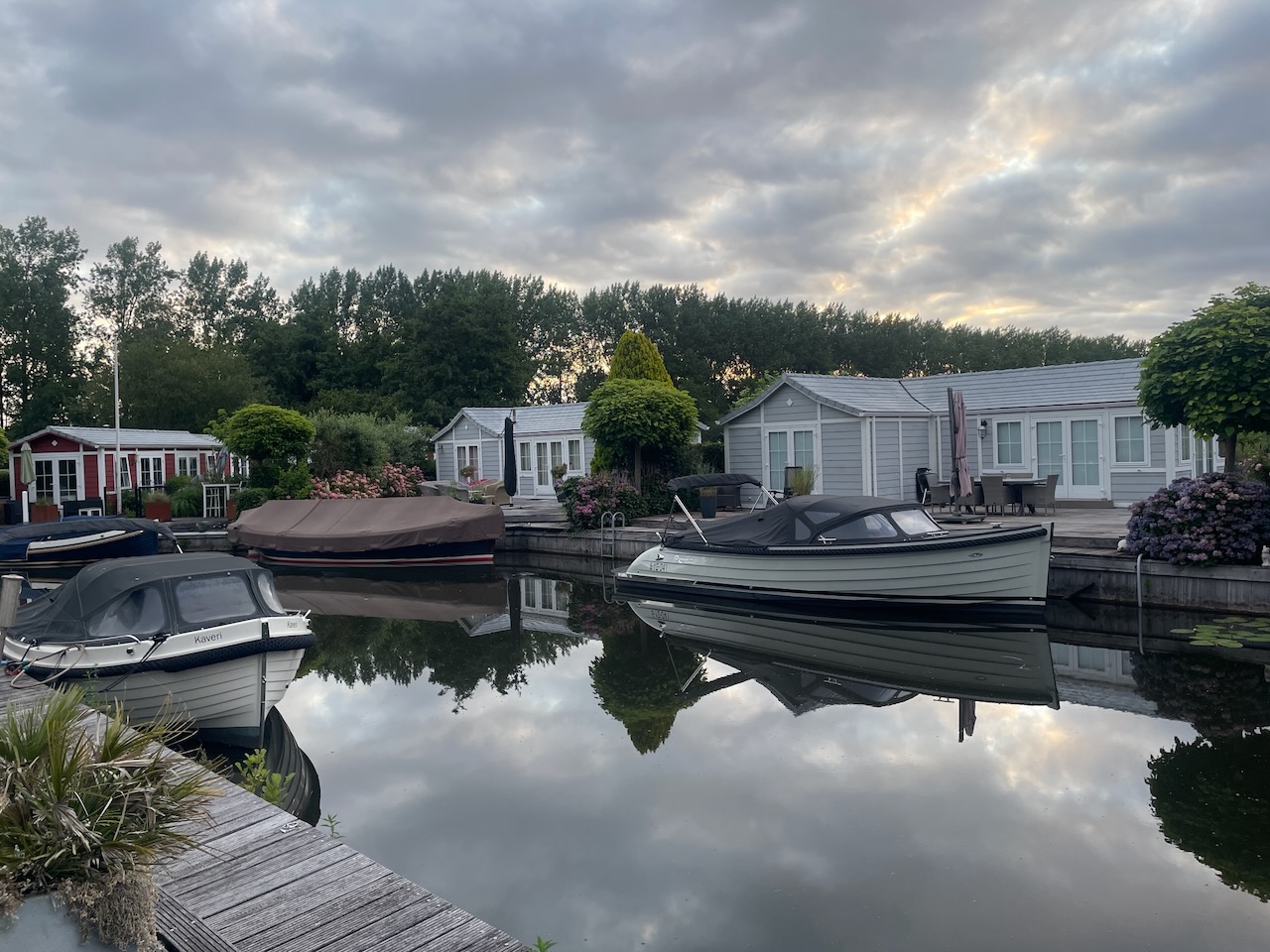
Once upon a long time ago, this was an industrial hub of workers living in swamp conditions, mining the earth for fuel. The laying fields, legakkers in Dutch, were where the peat, dredged up by narrow boats, was laid out to dry before being shipped off to warm households and industry elsewhere in the Netherlands. A side effect of this industrial history is an endless array of water front. Since the mid-20th Century, it’s been a playground for the more well-heeled.
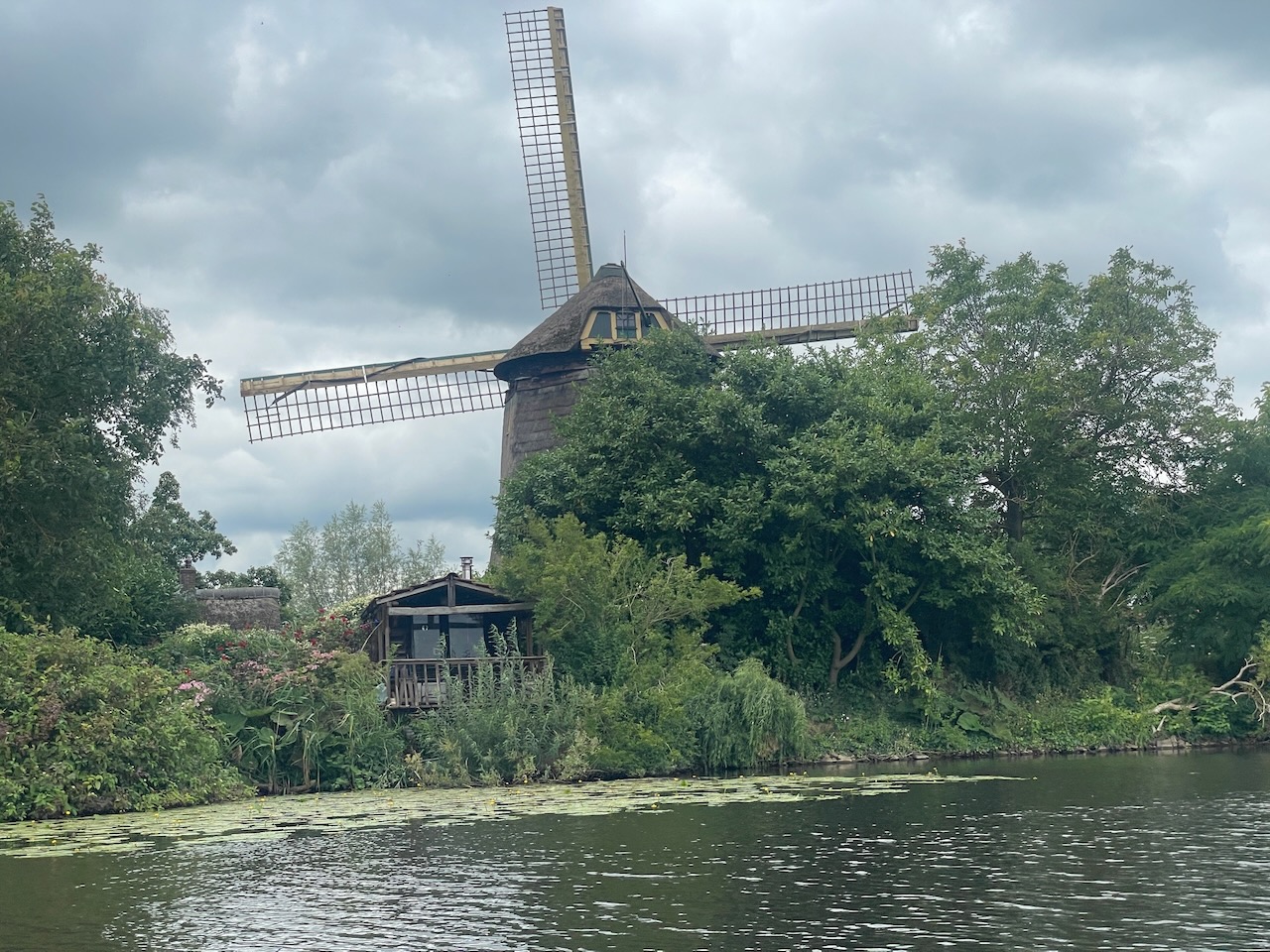
But it’s not Montecarlo, thank god. There is no bling and ostentation here. As we tootle down canal byways, navigate locks and slip into wider water channels, we move through a lush nature wonderland – rich with flora and bird life. We pass towns that feel both historical and vibrant. And coming across the odd windmill gives me a buzz of sheer joy. There is a general sense of time passing at a slower pace here. A reminder that, in our real worlds, we move too fast through life, and for what?
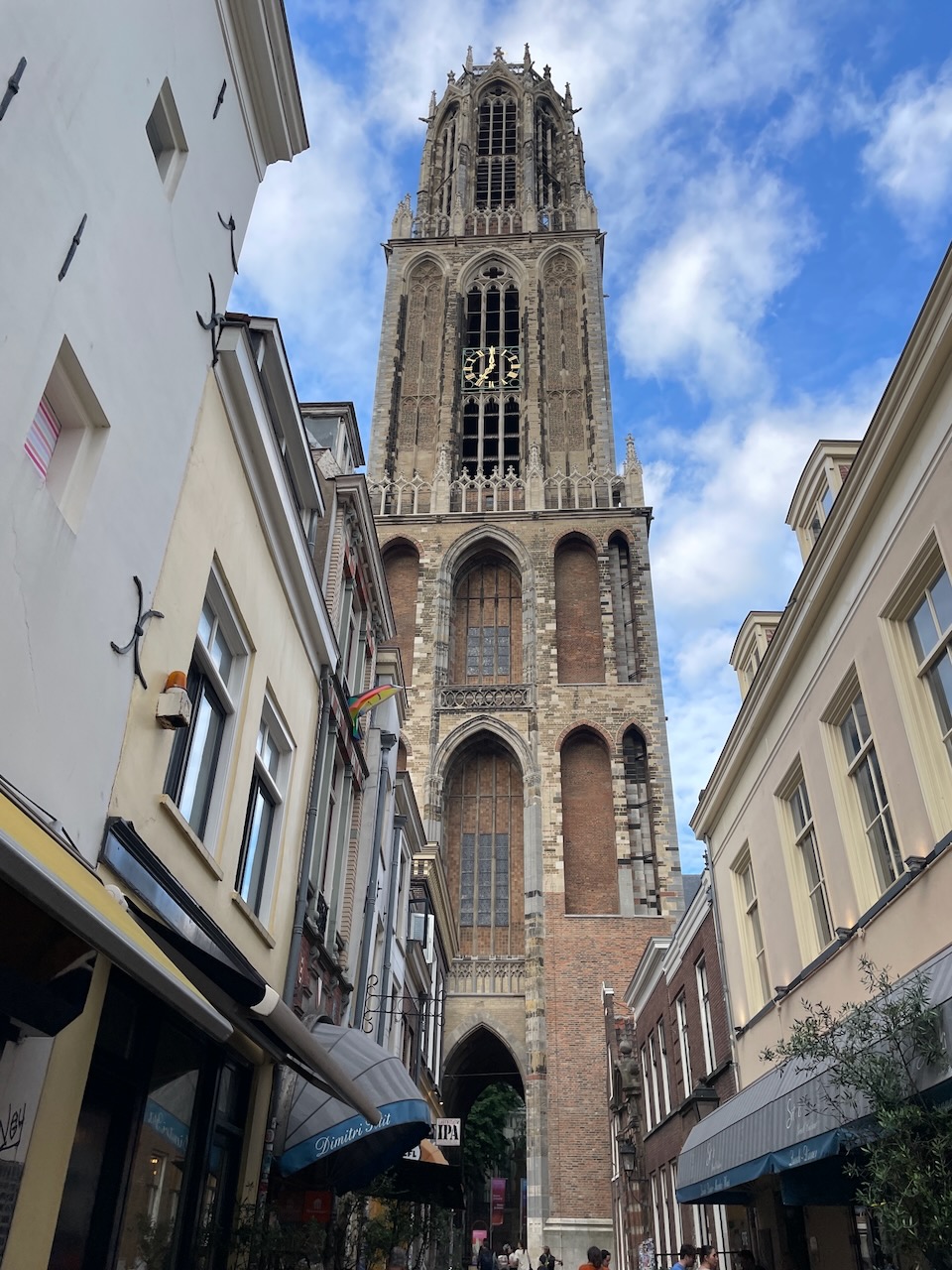
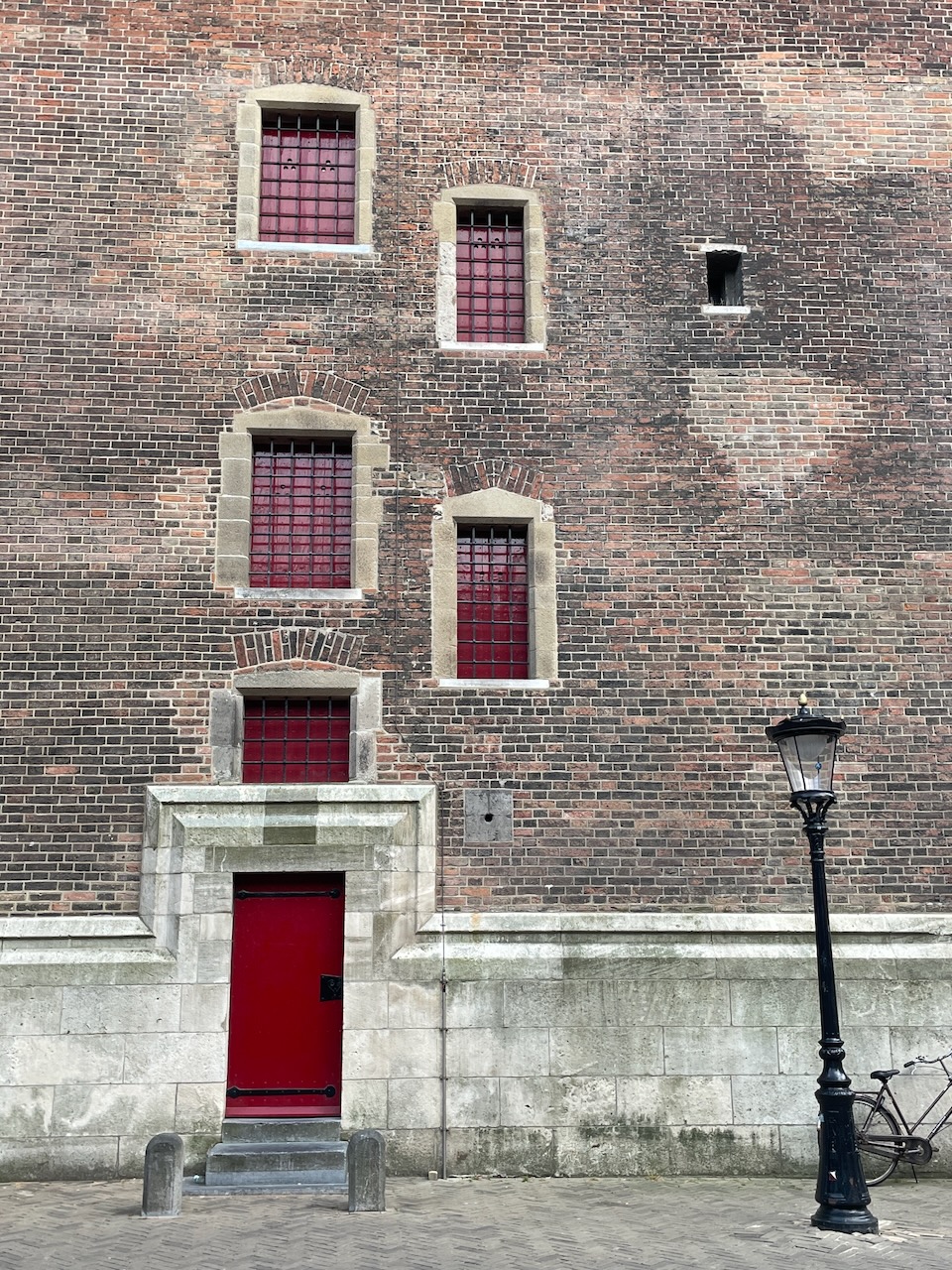
Nearby Utrecht gets a flying visit, but deserves more attention. In the early evening, we meander through the old town, admire one of the soaring churches at its centre, and watch people meet up for dinner alongside canals and in pavement cafes on cobbled streets lined with trees that might just date back earlier than the European discovery of Australia.
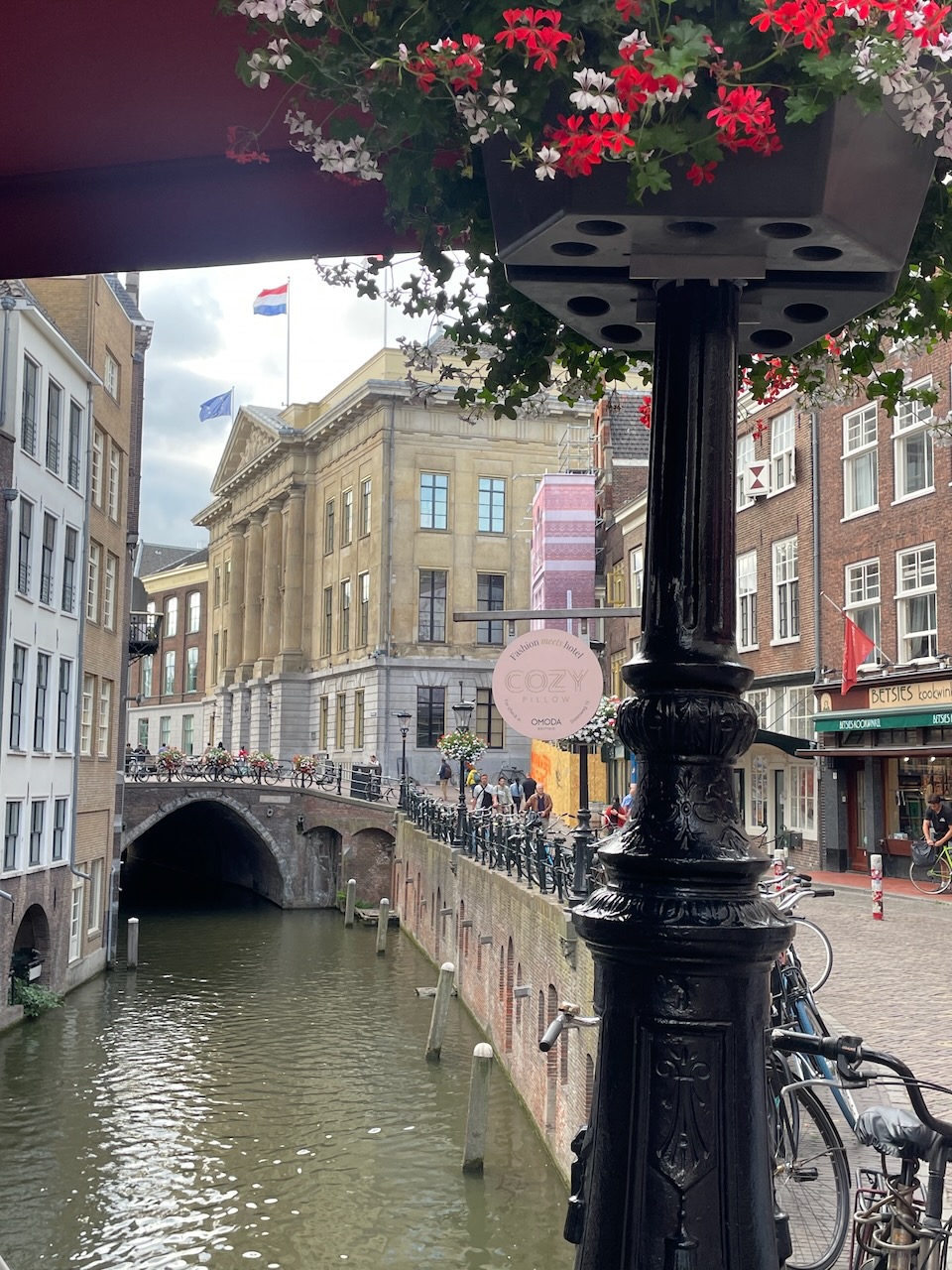
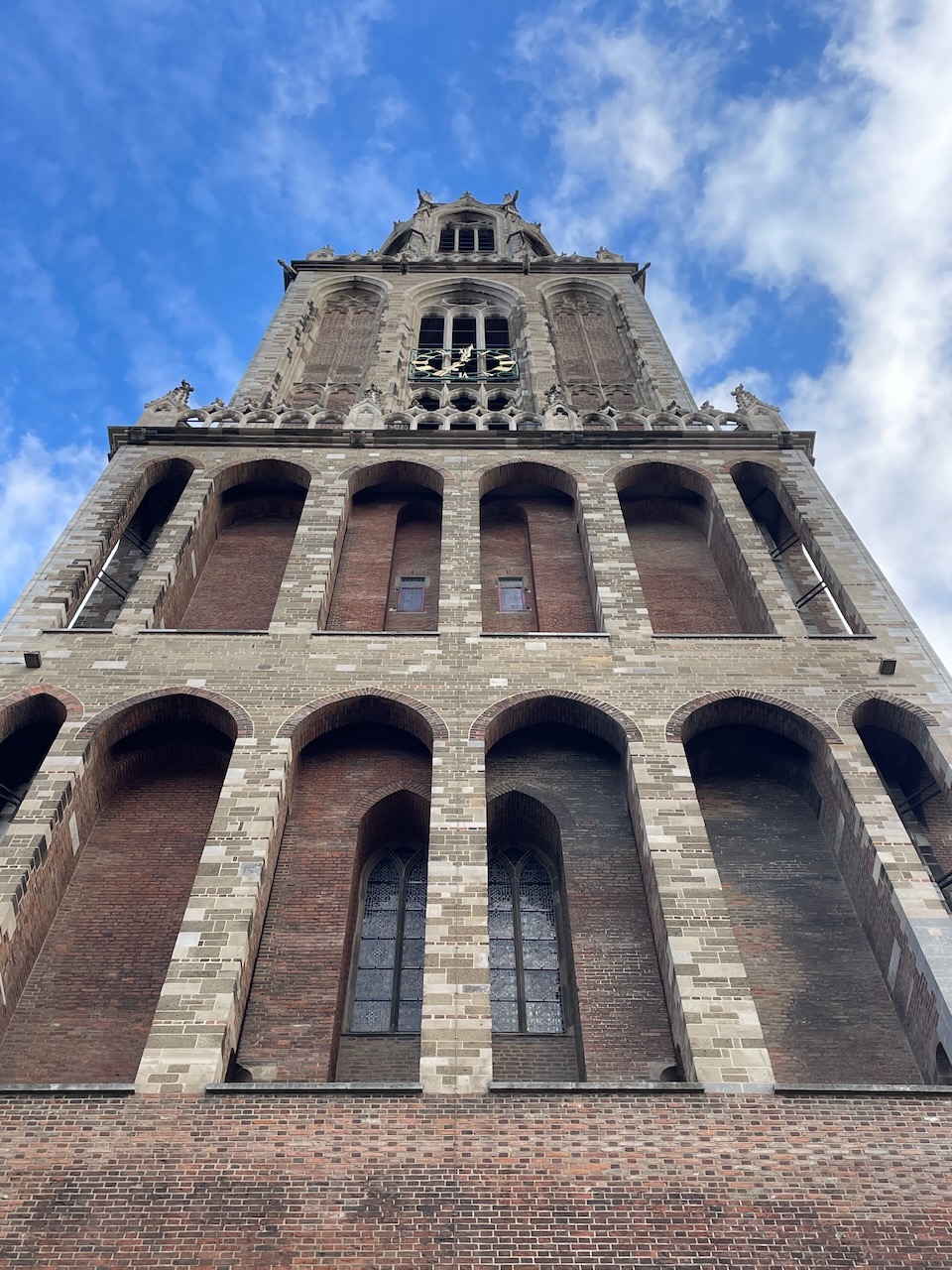
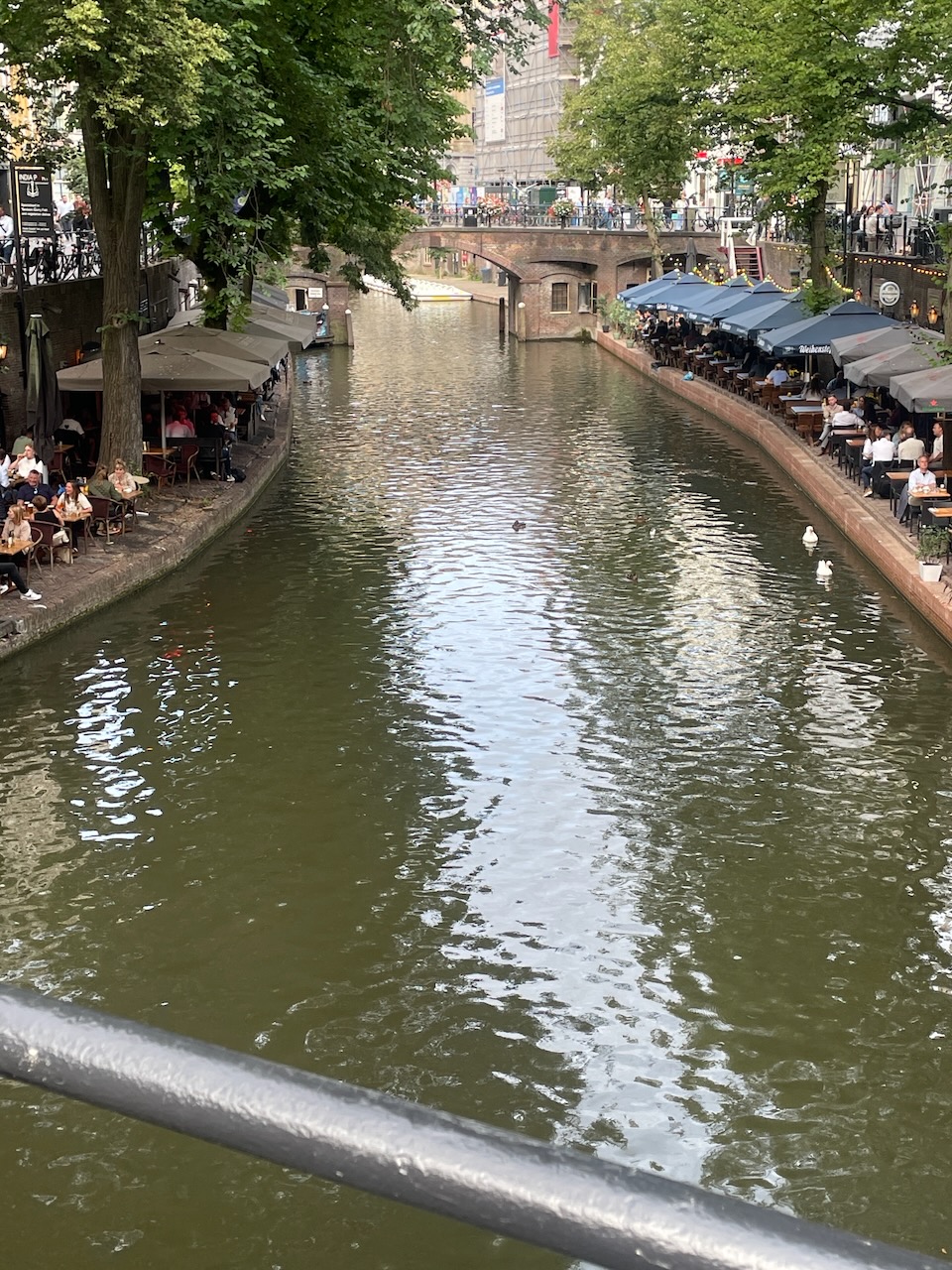
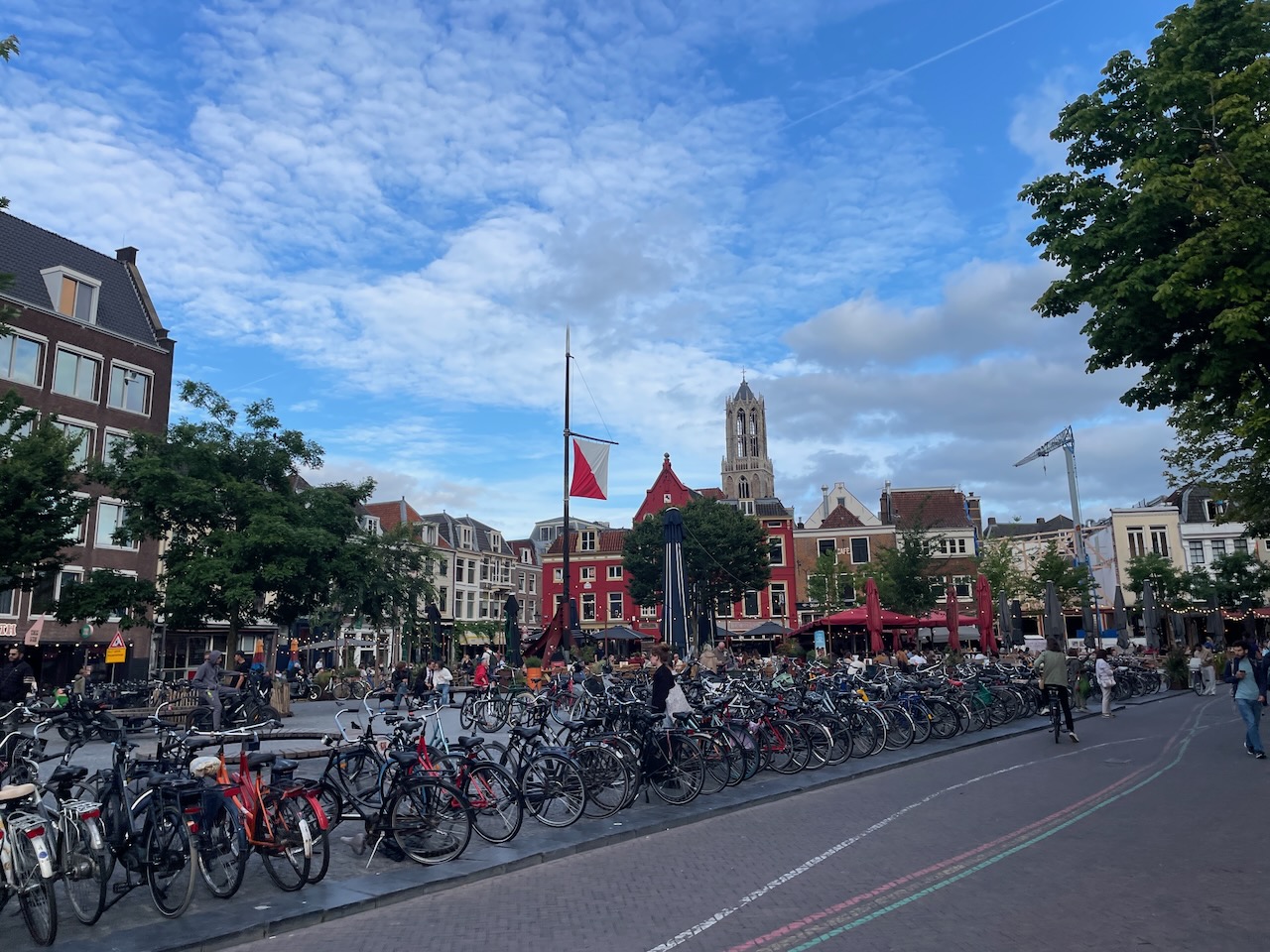
I love this vibe. Drinks in the outside air, the babble of friends and family catching up, the clink of beer and wine glasses in the Northern hemisphere late evening sunshine. There is something so European about it – as though they remember they have to squeeze out every drop of summer joy before the long, dark stretch of winter comes around again and traps them in coats and boots and indoors.
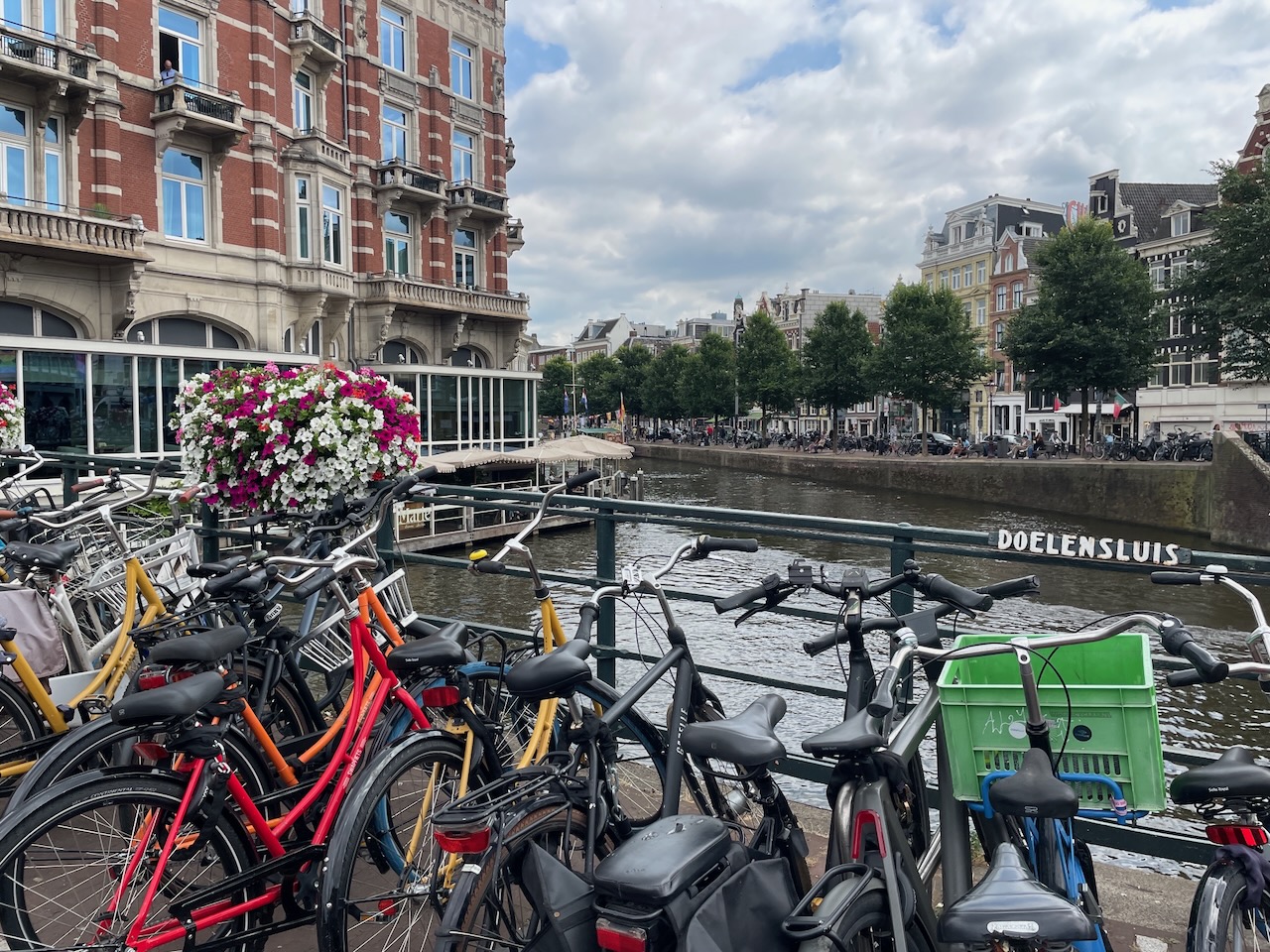
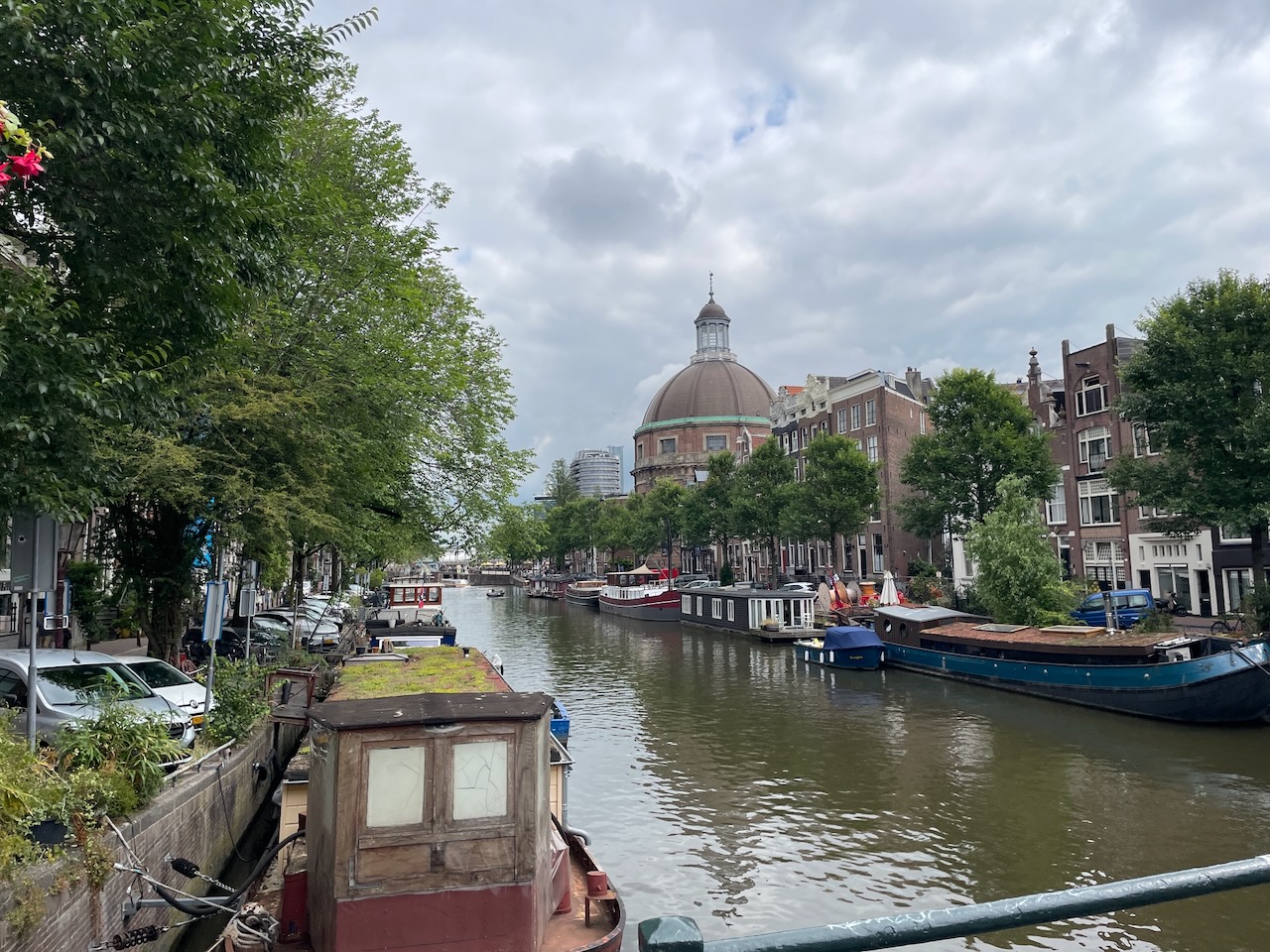
I, of course, do return to Amsterdam, and in a better mood. I organise a cycling tour of the city, and learn about the rich history of the place. It’s also below sea-level, as the water channelled through the circular arrangement of canals all around us testifies. Originally, a swampy village on the banks of the Amstel river, Amsterdam – literally, the dam on the Amstel, is a marvel of engineering. “Do you know,” our tour guide says in her lilting French accent – she is a student here – “you’re standing on a Scandinavian forest?”.
I did not know.
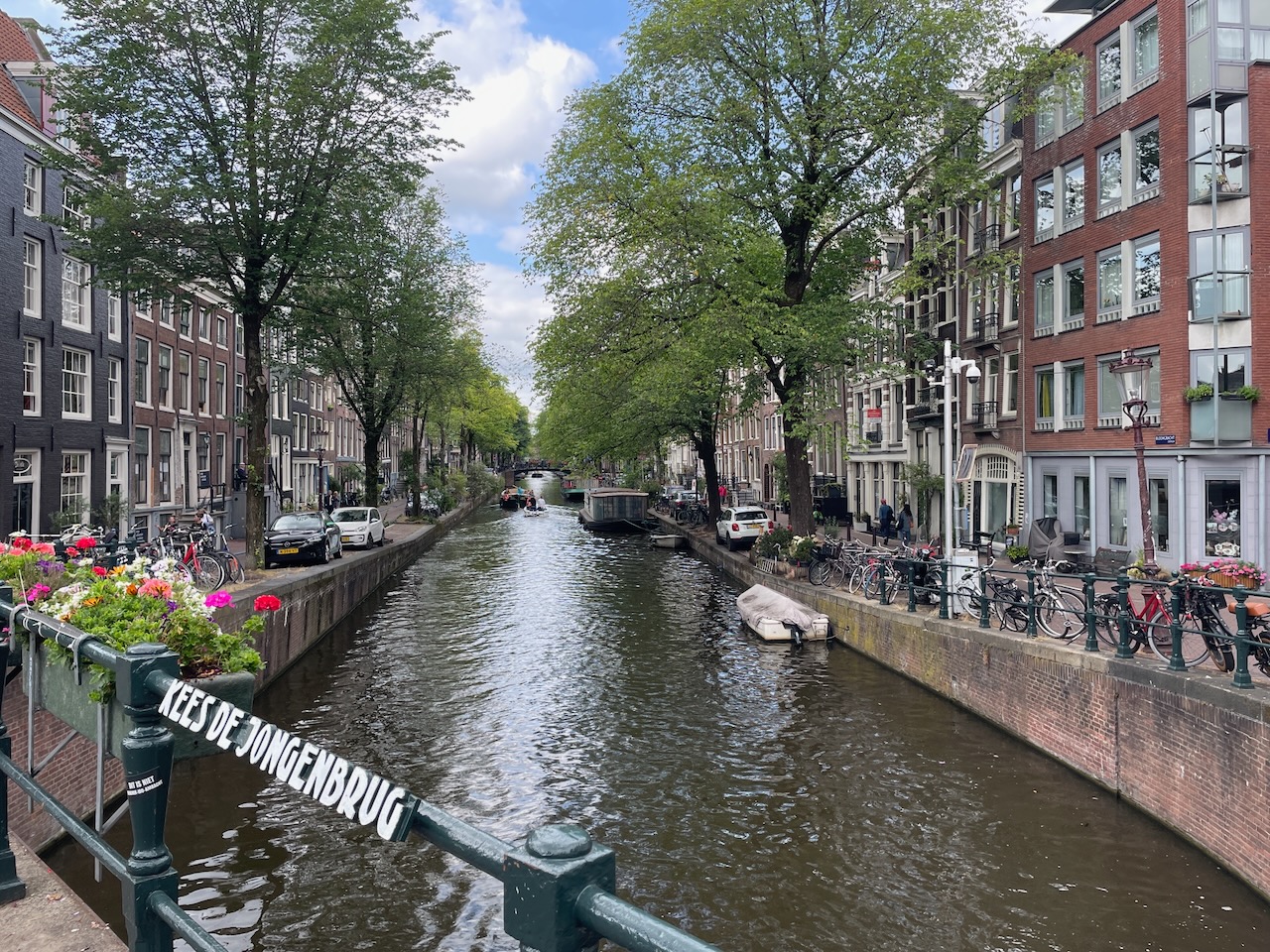
Amsterdam rests on a swampy bed of clay and peat. Any building of any weight would quickly sink. Instead, its expansion from village to thriving metropolis required drilling millions and millions of long, strong and well-preserved wooden poles through the sticky, sloshy mush and into a hard sand bed. The tall narrow houses that line the marvellous array of canals, the palace, the museums, the bridges and pavements, and all the rest are perched firmly on an underwater woodland, the ghosts of ancient trees from a bygone era.
Nowadays, tubes of concrete and steel are used instead. Far less romantic, but also less susceptible to rot. The engineering, the harnessing and understanding of water, is part of the rich history of Amsterdam, perhaps often overlooked by the beer-buzzy bucks party visitors who meander the streets in loud groups, drawn more to its party reputation.
Aside from the Golden Age of industry, expansion and wealth, Amsterdam is the home to artists, young, old and famous. Rembrandt is perhaps Amsterdam’s most favoured son, and even though Gogh did not live here as a painter, the Dutch master has his own museum. I’ve been to that before, so this time I took myself to the Rijksmuseum.
The building itself is a feast for the senses. When it opened in 1885 it was on the southern border of the city. The building is horseshoed over a passageway, through which bicycles zip past in droves, beneath a vaulted ceiling. To add to the cultural ambience, a busker plays his violin for a gaggle of tourists.
It is an art museum, and a big one at that, housing a large collection of famous Dutch masters amidst a veritable feast of other artworks ,spread across four levels. By the time I come across The Night Watch, The Milkmaid and Van Gogh’s Self Portrait, my feet ache.
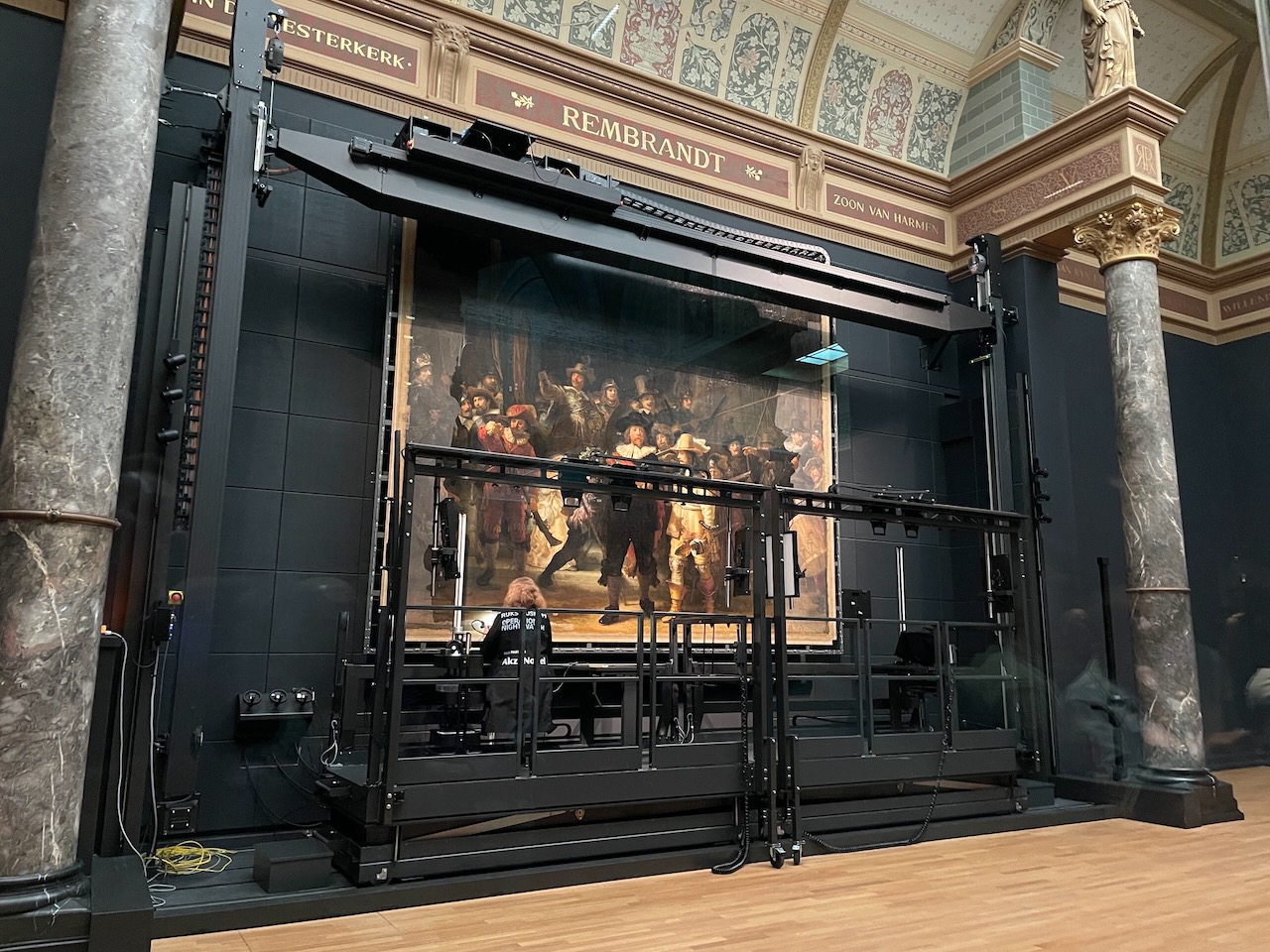
Years ago, in New York, I remember being surprised at how small Dali’s The Persistence of Memory is. Barely the size of an A4 piece of paper. I’m surprised in the other direction by Rembrandt’s The Night Watch. It’s huge, and ensconced in its own glass room. It’s being restored at the moment, a display in itself. I sneak closer to a group of tourists and hear their guide talk about Rembrandt’s use of light and shade to draw focus and create depth. Not to be frivolous, but it’s illuminating. I clutch onto this piece of knowledge as I traipse around the rest of the floor – seeing this technique, innovative at its time, in all his work.
As evening settles, the pavements fill up with people. I find myself a slot and drink German Riesling whilst the sun goes down. It only takes a day but Amsterdam has wormed its way back into my heart.
The next day, I’m off to Copenhagen. And that’s another story for next time.


Leave a Reply