When one thinks of heading to Europe, one tends to imagine the southern part – Spain, France, Italy, Greece. Beaches and Aperol Spritz in the sun, shopping and cafes, with a touch of ancient history thrown in on the side.
For this trip, inspired by all things related to cars, I went to Germany with my son.
I arrived via plane into Munich. Other than passing through this self-same airport 22 years ago on my way to Kitzbuhel (Austria) to go skiing, it’s my first time here.
Germany feels different to the southern part of Europe. Less frivolous. Somehow more challenging. The weather plays a role. As does a culture that seems more emotionally contained than their compatriots further south.
And then, there is the uncomfortable weight of a dark past so close in time it is less history and more living memory. Looking around my train at the local populace, I can’t but wonder who their parents and grandparents were, and what they did, when Hitler was in power.
It is of course necessary to grapple with this sordid past. To learn about how Hitler came to be, and to visit the sites Germans themselves constructed to house and harm their fellow citizens. It matters to pay respect to this, to look on in horror, so that we do not forget what we humans are capable of.
On a blistering hot day, we visit Dachau, one of the first concentration camps built, mostly to house political prisoners – those who stood up against a tyrant, who would not salute the so-called Temples of Honour, or joined the communist party or other opposition movements. Its purpose soon expanded to include forced labour, and housed any the Nazi’s considered enemies.
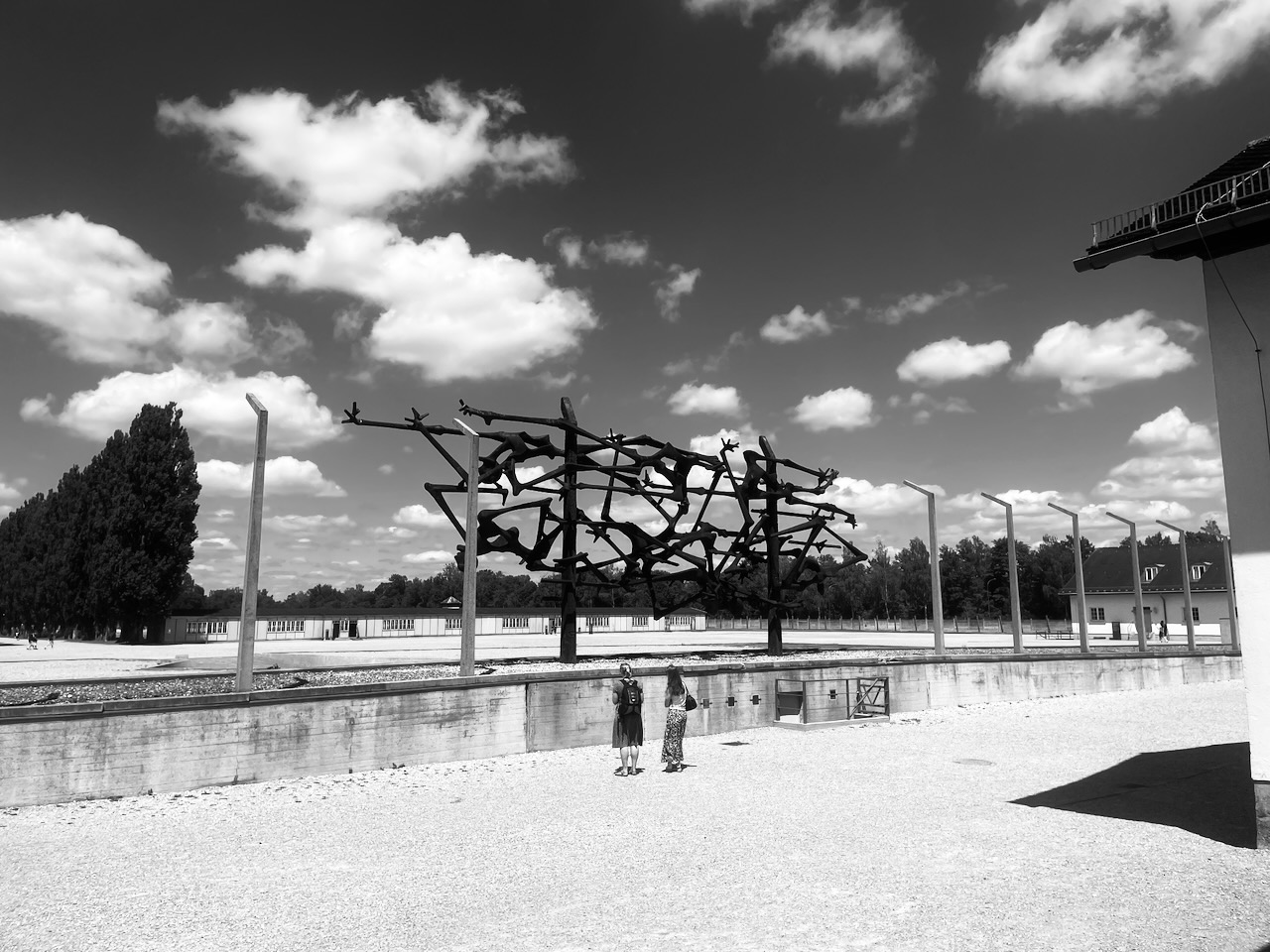
It is not the worst of its type, but it is stark nonetheless. We walk through the prison cells, sometimes built as standing room only. We cross the stone filled, shadeless parade ground where men were made to stand to attention for hours on end, and were whipped and beaten, starved, humiliated. Over 25 000 people were murdered here.
And we read about the history of the network of concentration camps, the escalation in murder and the utter depravity of the final solution. It’s hard to stomach. Hard to fathom the capacity for evil that resides so banaly in the human soul (for want of a better word).
It must be done. But there is more to Germany than this.
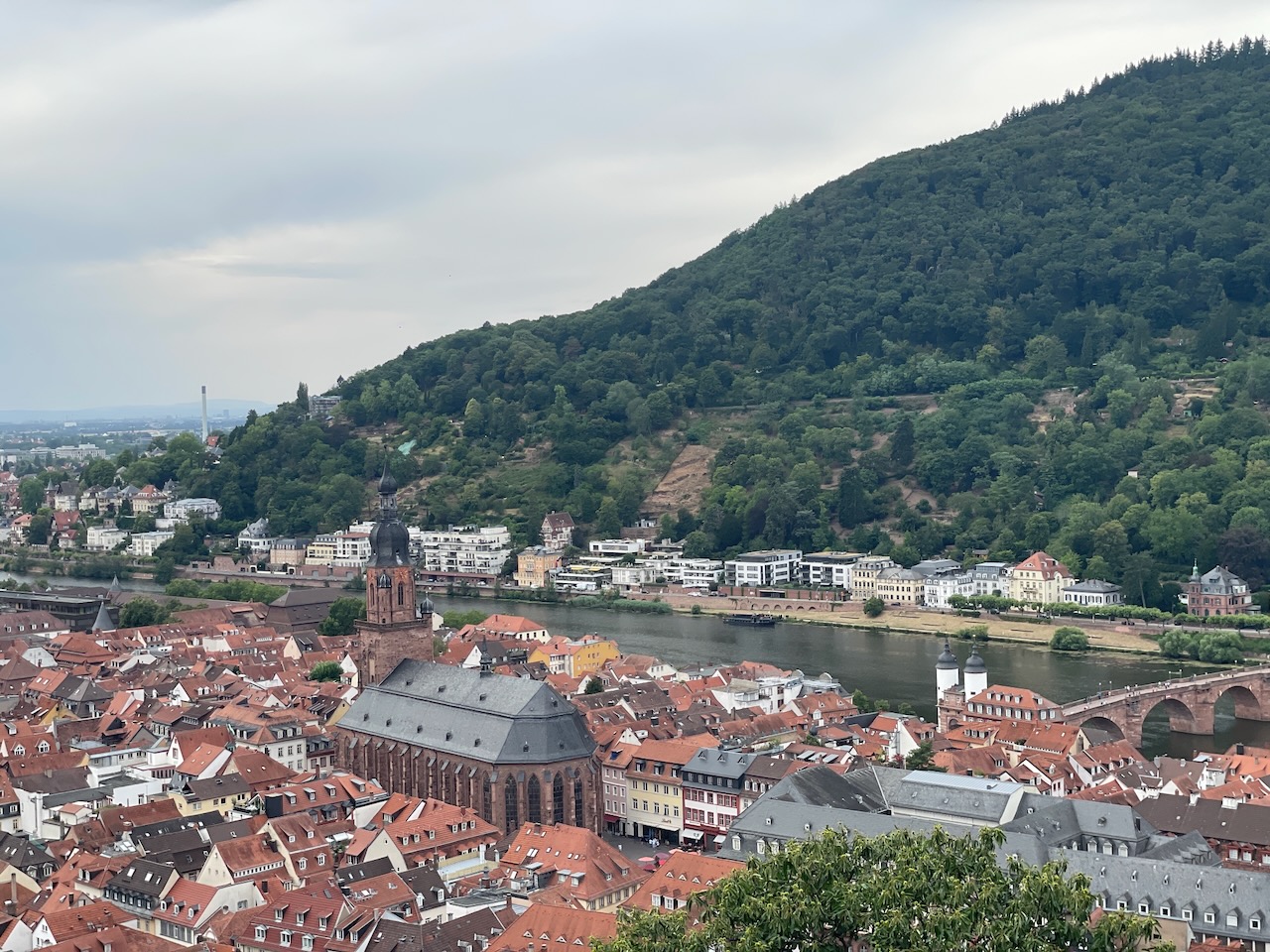
Germany is of course as old as the rest of Europe. Its history as richly filled with castles and cathedrals, markets and traditions that date back hundreds and hundreds of years.
Germany is famed for its big cities, but it is in glorious little towns that we find surprising gems that delight us.
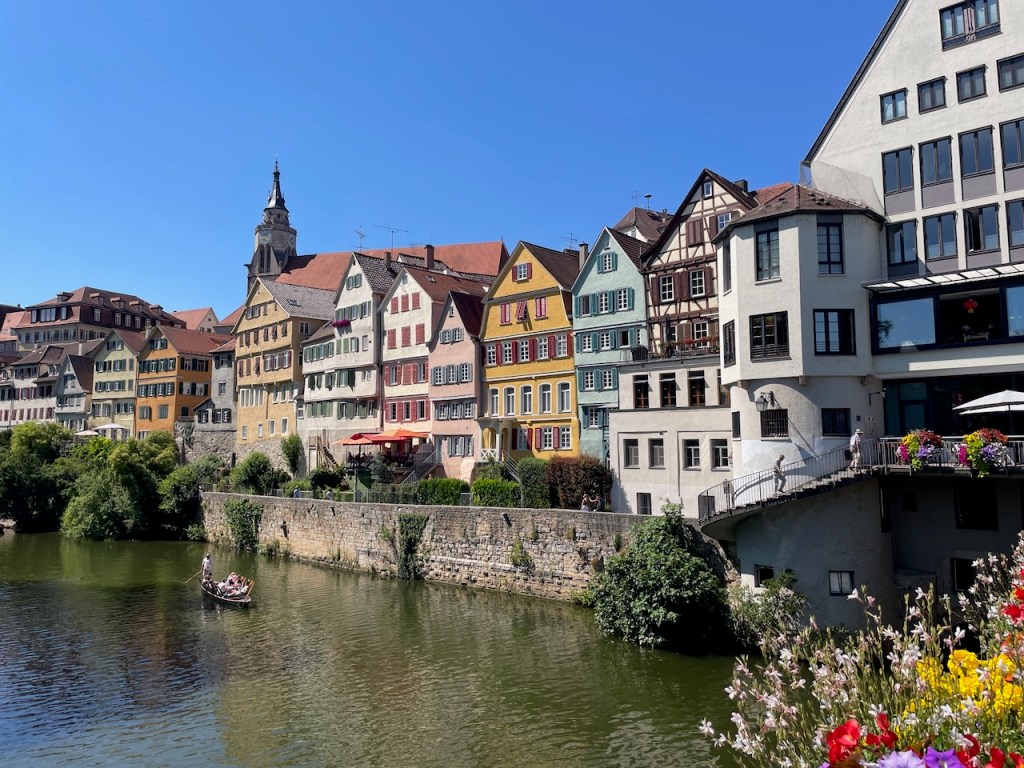
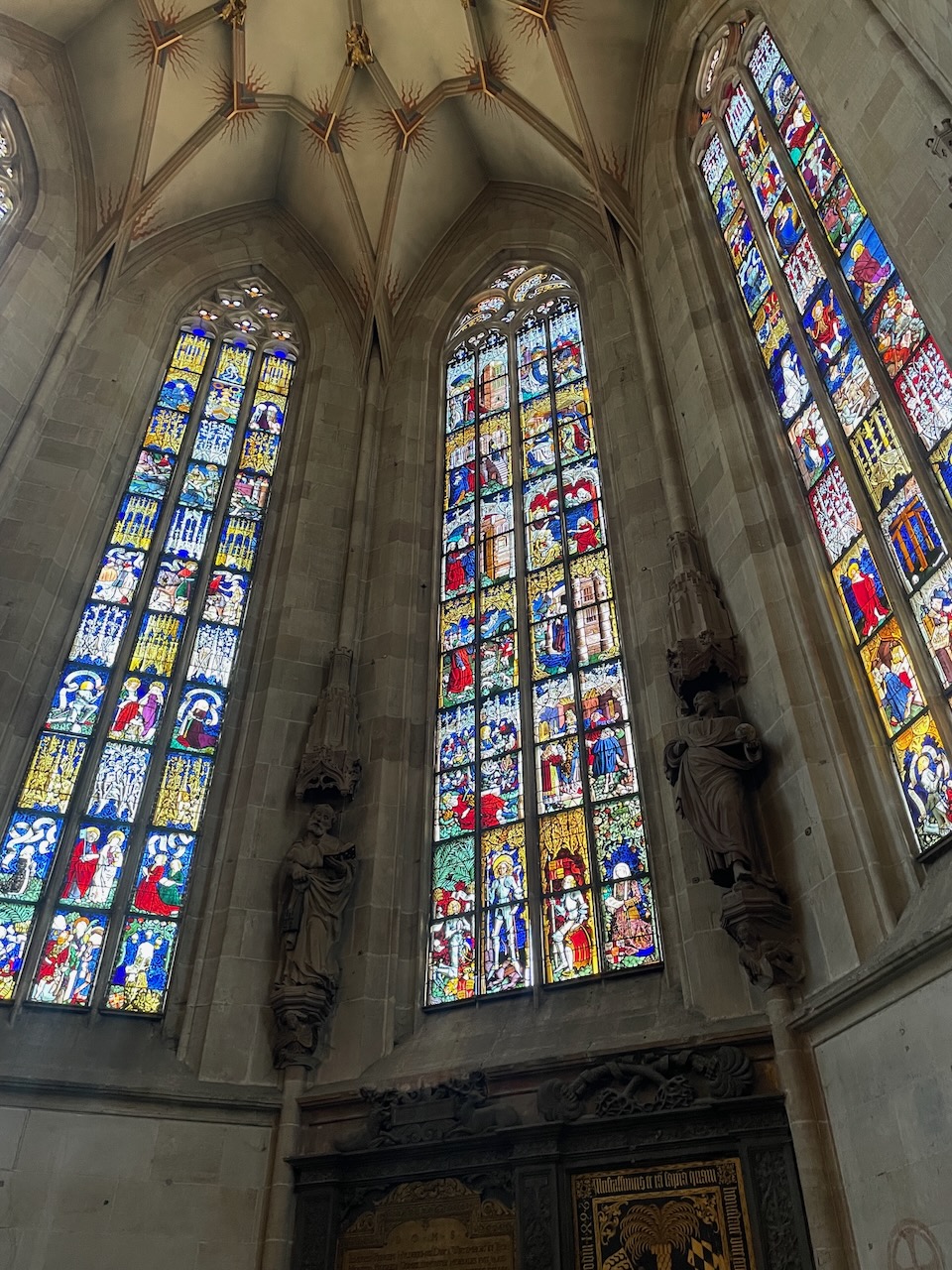
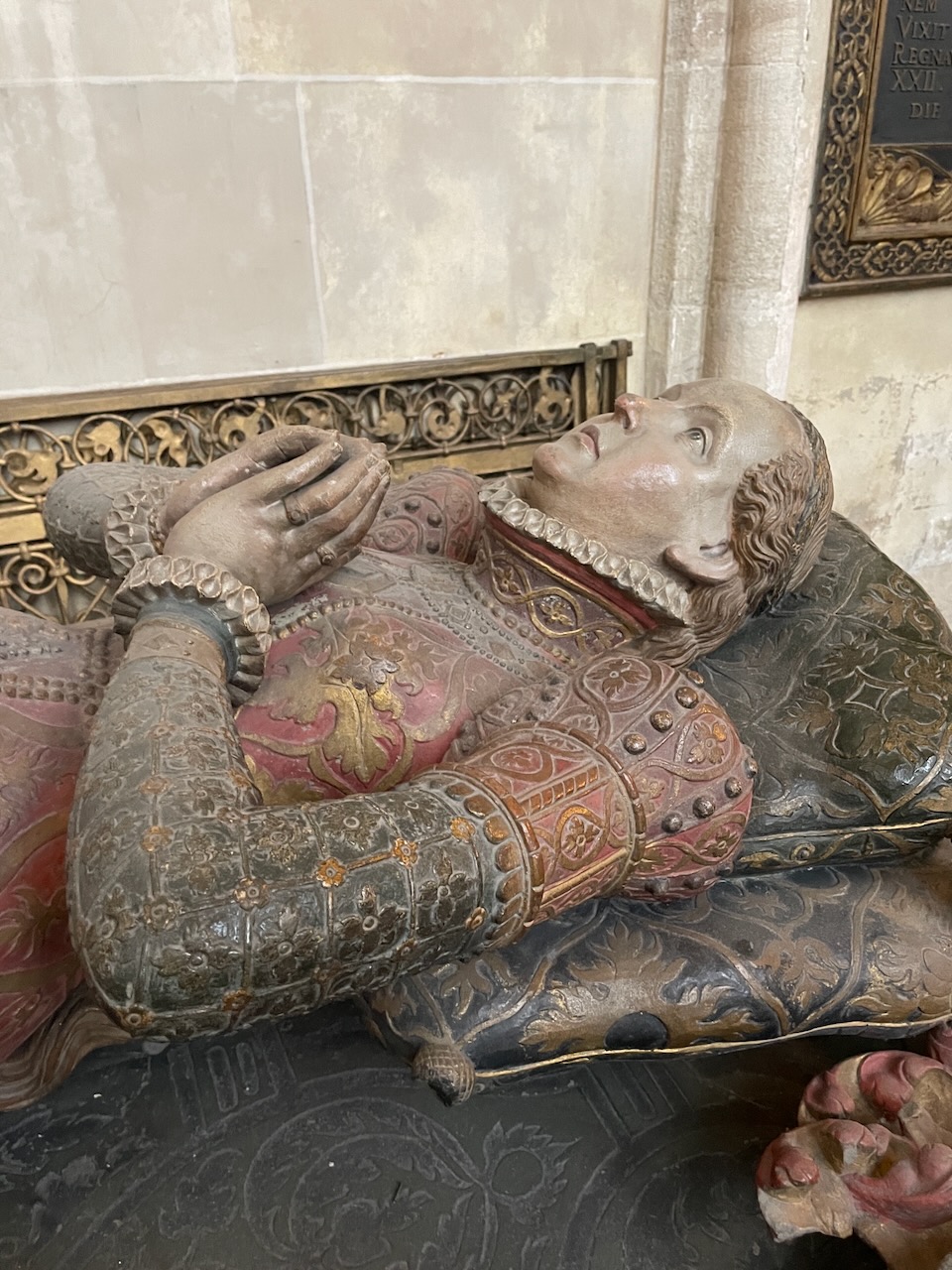
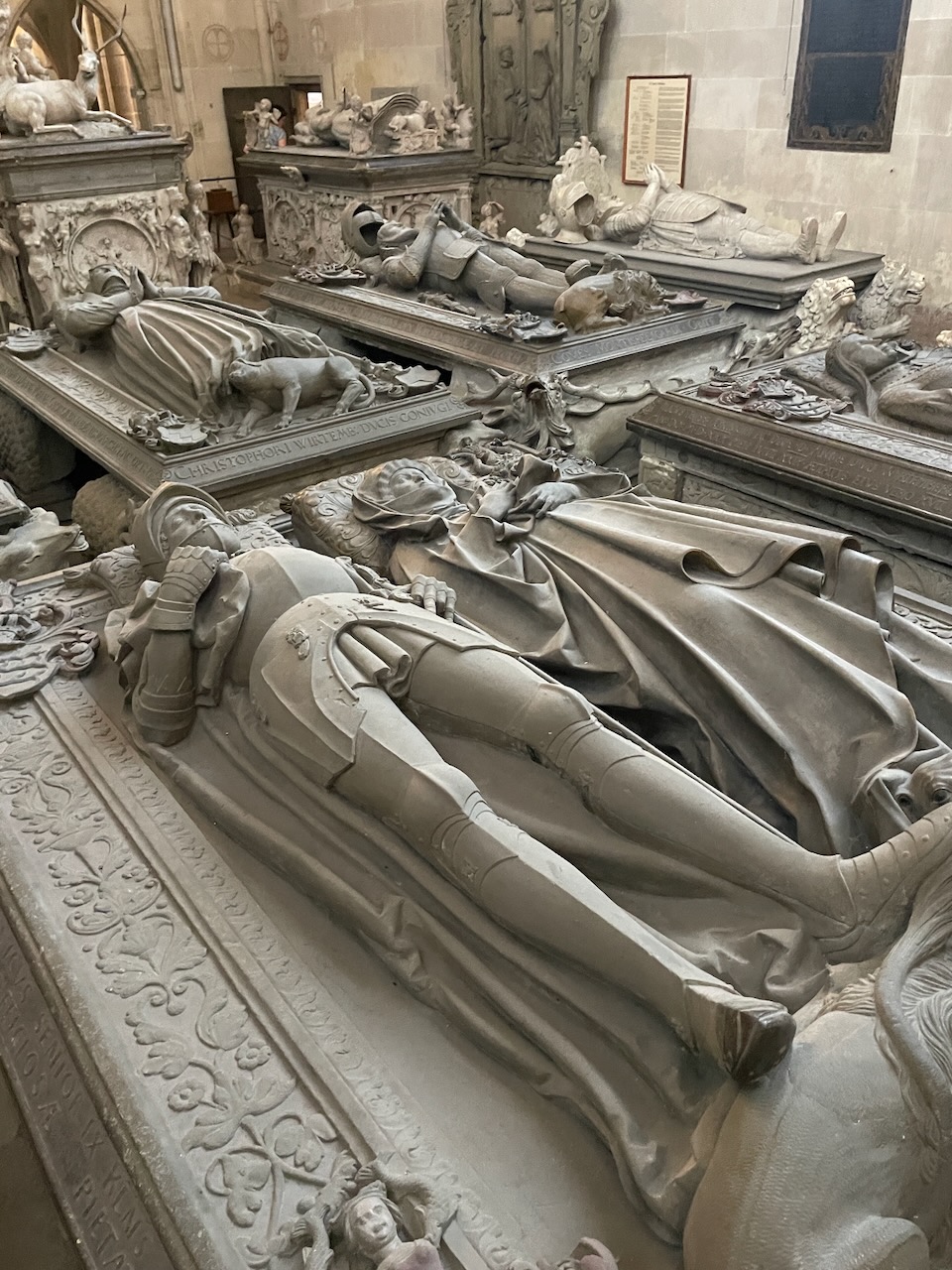
We visited a church in the utterly wonderful university town of Tübingen, and, standing amongst the 500-year-old tombs and stone effigies of the long dead Württemberg dynasty, look on original stained-glass windows erected in 1478.
This town, one of the few that was not bombed in World War 2, with its steep, cobbled streets, market squares, fountains, original half-timber houses, decorated town hall (Rathaus) with mesmerising astronomical clock, is also home to one of the oldest universities north of the Alps. It is where Johannes Kepler studied. It’s worth a climb up the clock tower to look across the roofs and along the valley.
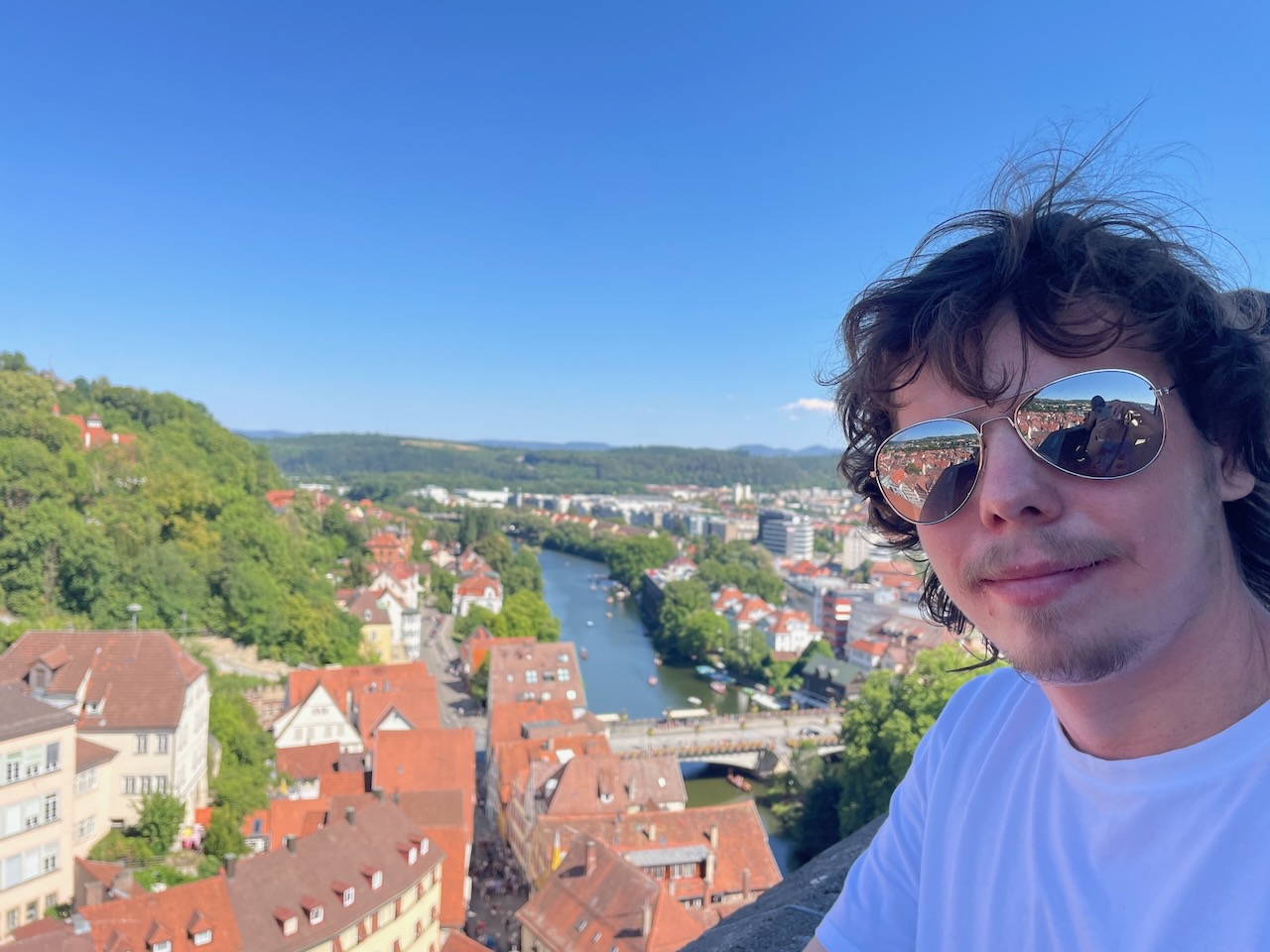
And if you’re lucky enough to be travelling with your big kid, you might find yourself next to a canal, where he pays for a lovely lunch.
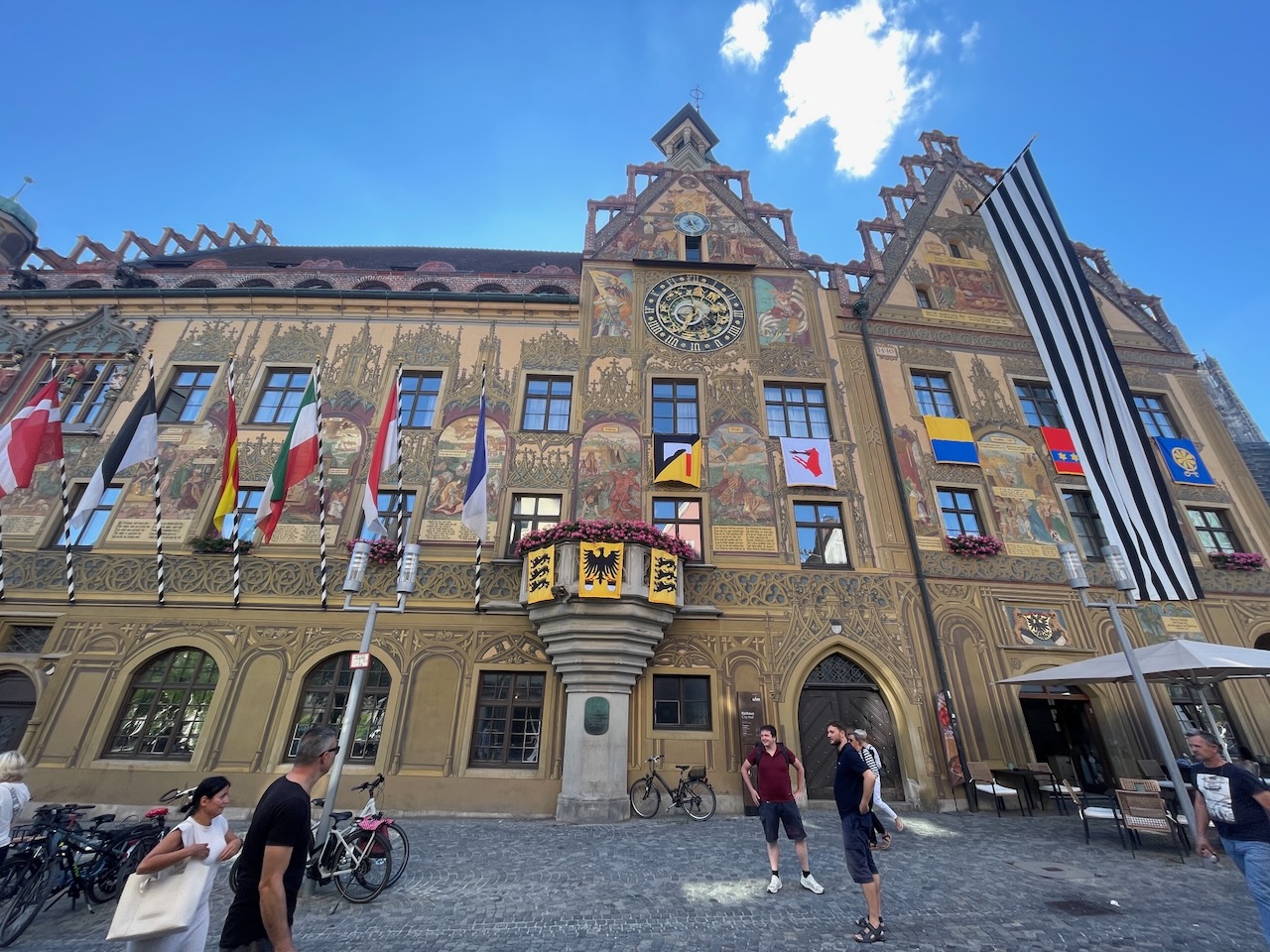
If you get a chance to visit Ulm, do so. The Rathaus is gorgeous, the remnants of the old walls, cobbled streets, canal side wooden houses form a delightful old town (Altstadt) area that, when we are there in July, hosts a barrage of tents, market stalls and general joviality alongside the Danube river.
Ulm is also home to the gothic inspired Ulmer Münster. A breathtaking building, we come across unexpectedly, that leaves us gaping in wonder. The second tallest religious building in the world, the foundation stone was laid in 1377, consecrated in 1405 and built to near completion in 1543. It would take a hiatus of some 300 years before the main western tower was finally completed in 1890. Imagine spending 520 years on a building! It is second in height only to the Sagrada Familia in Barcelona. My son, who in his heart is an engineer, pondered aloud how they managed to do it.
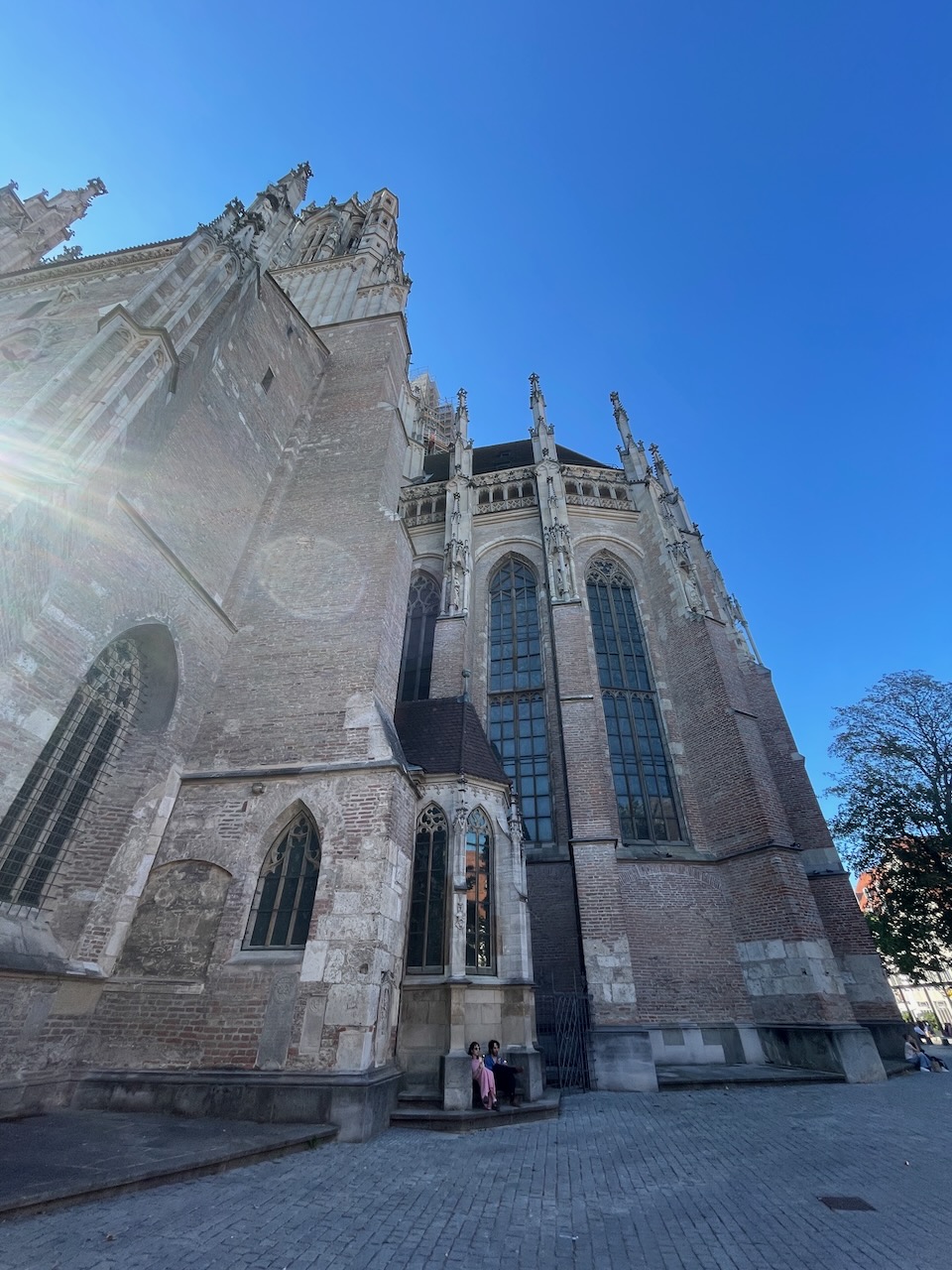
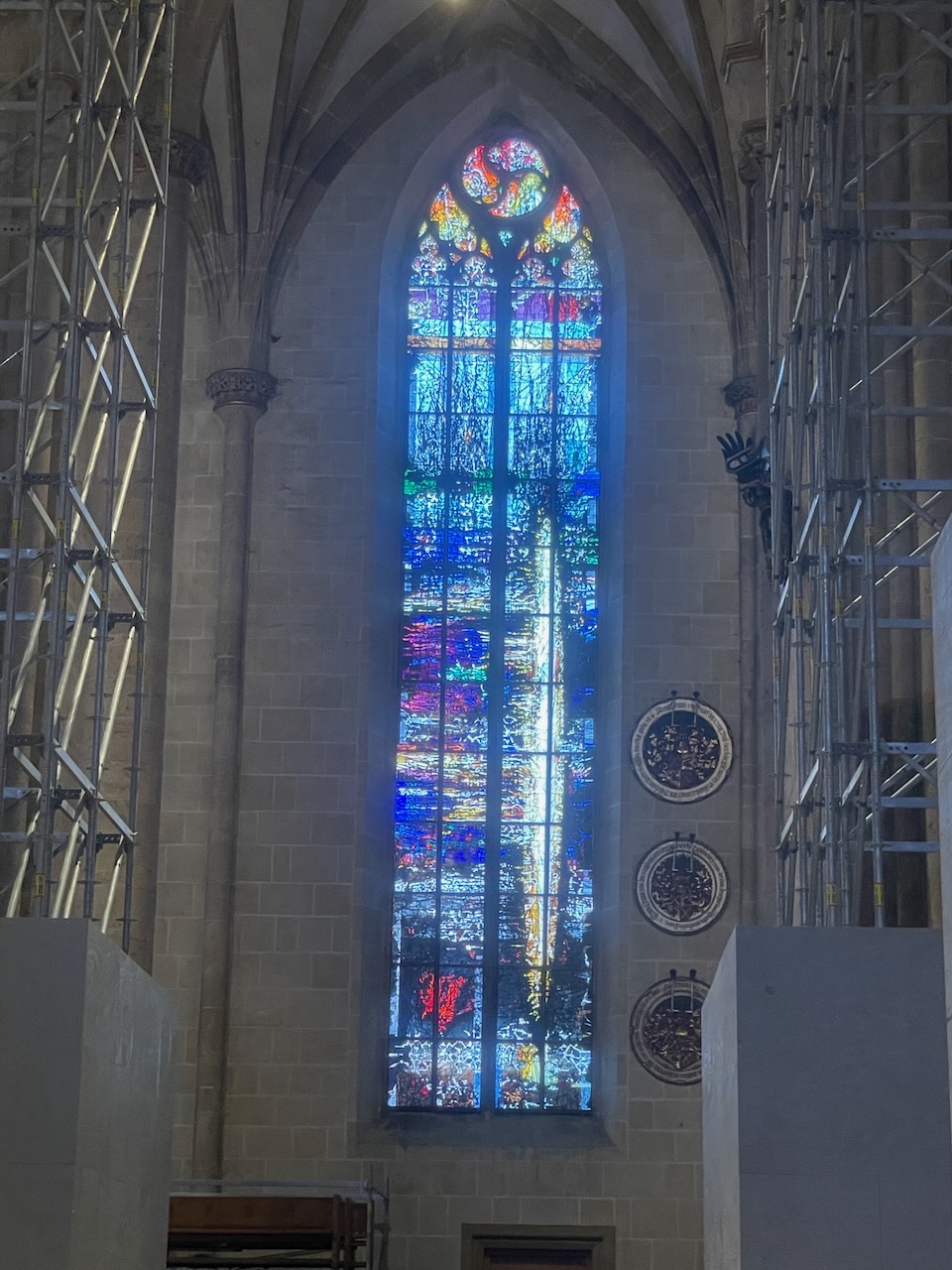
Despite it looking a lot like a cathedral, it is in fact home to the Evangelical Church in Germany (Lutheran, in fact).
If religious buildings are your vibe, Germany is replete with them. Germany was, after all, the home of Martin Luther, he who launched Protestantism by challenging the Catholic Church’s ideas of Christianity. Luther himself wasn’t a particular nice man (religious dogmatics seldom are – puritanism being strongly linked to coercive control and power) – and it is believed his antisemitic writings (On Jews and their lies) were used by the Nazi’s to justify the holocaust.
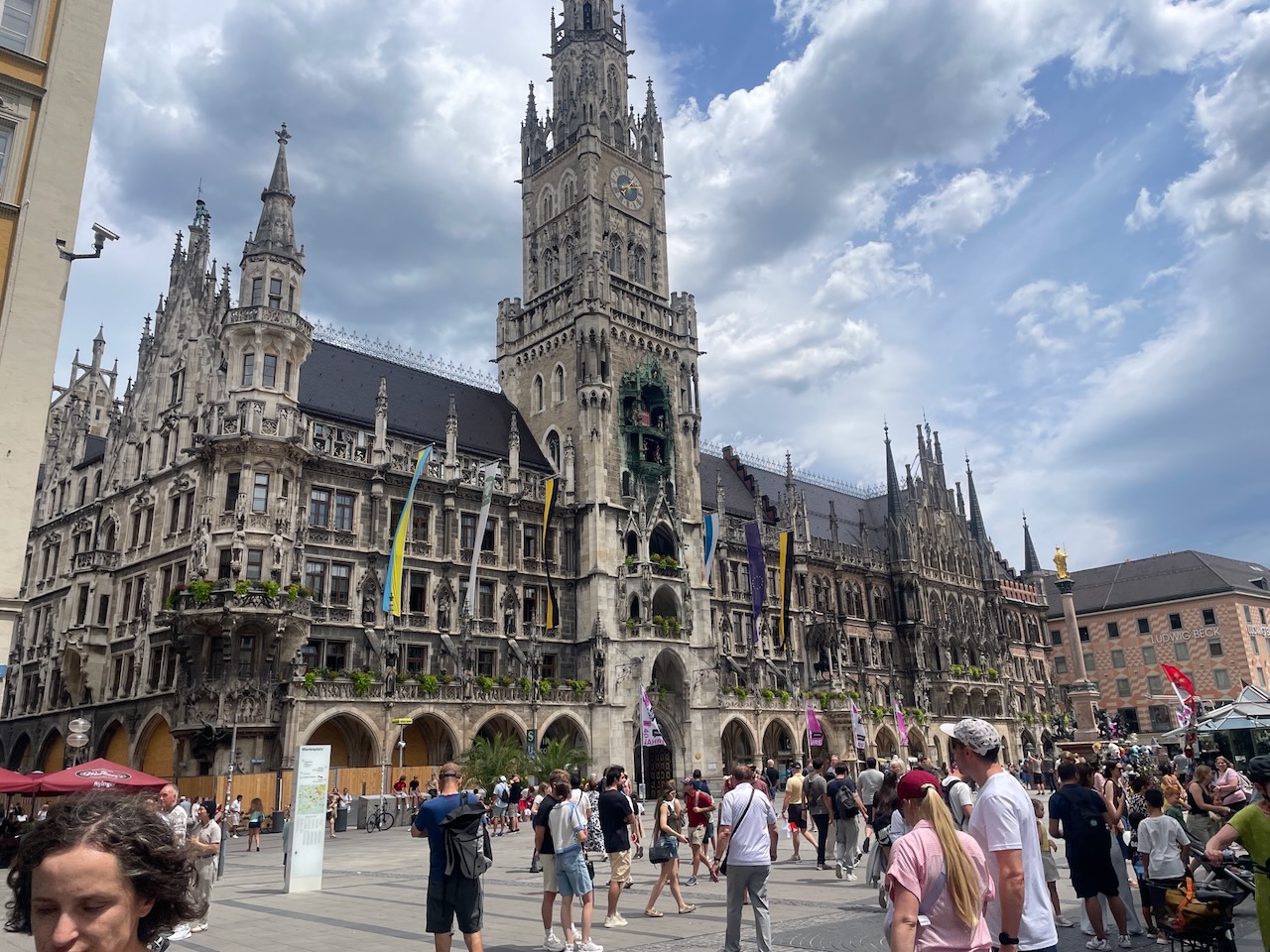
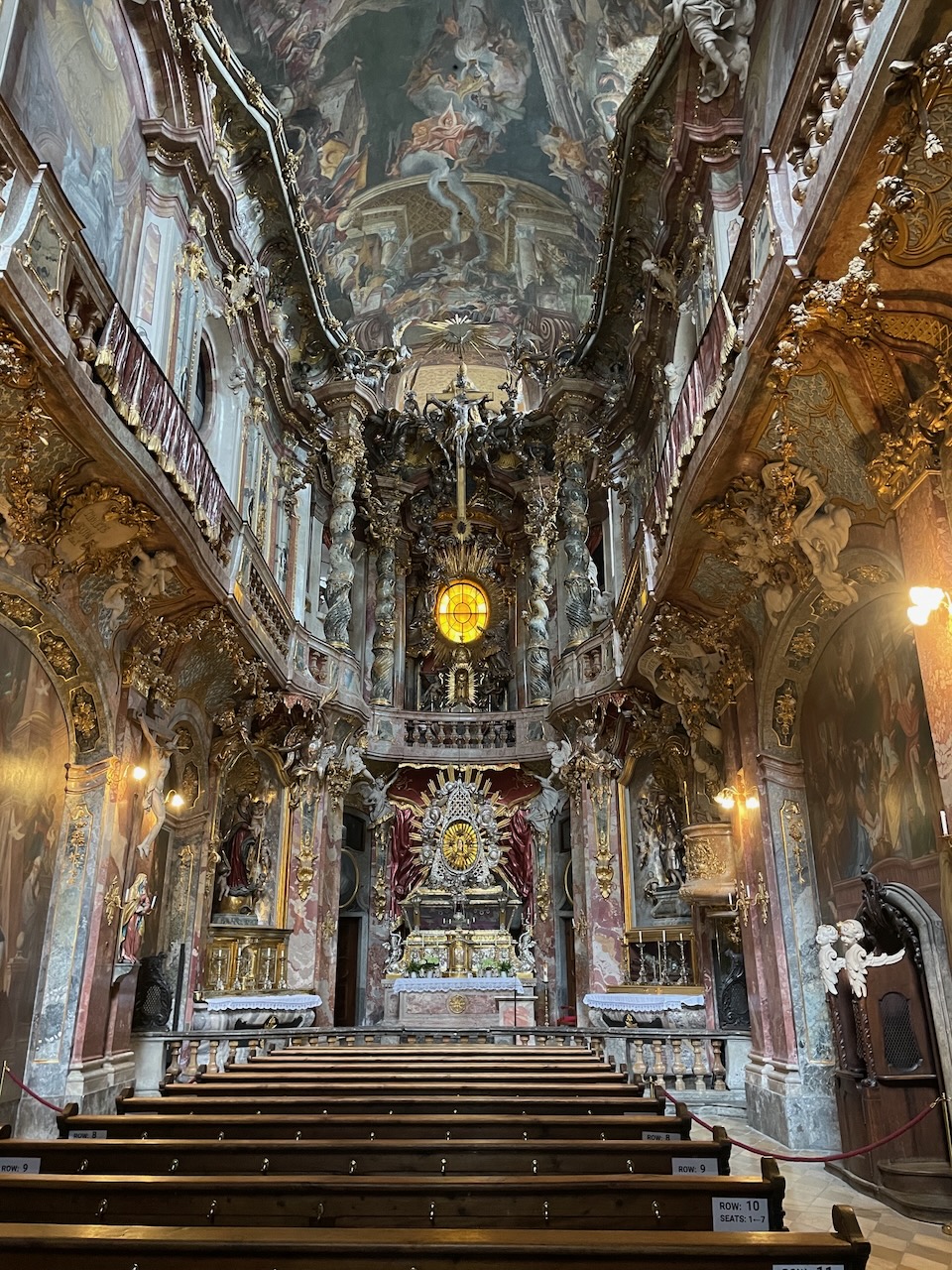
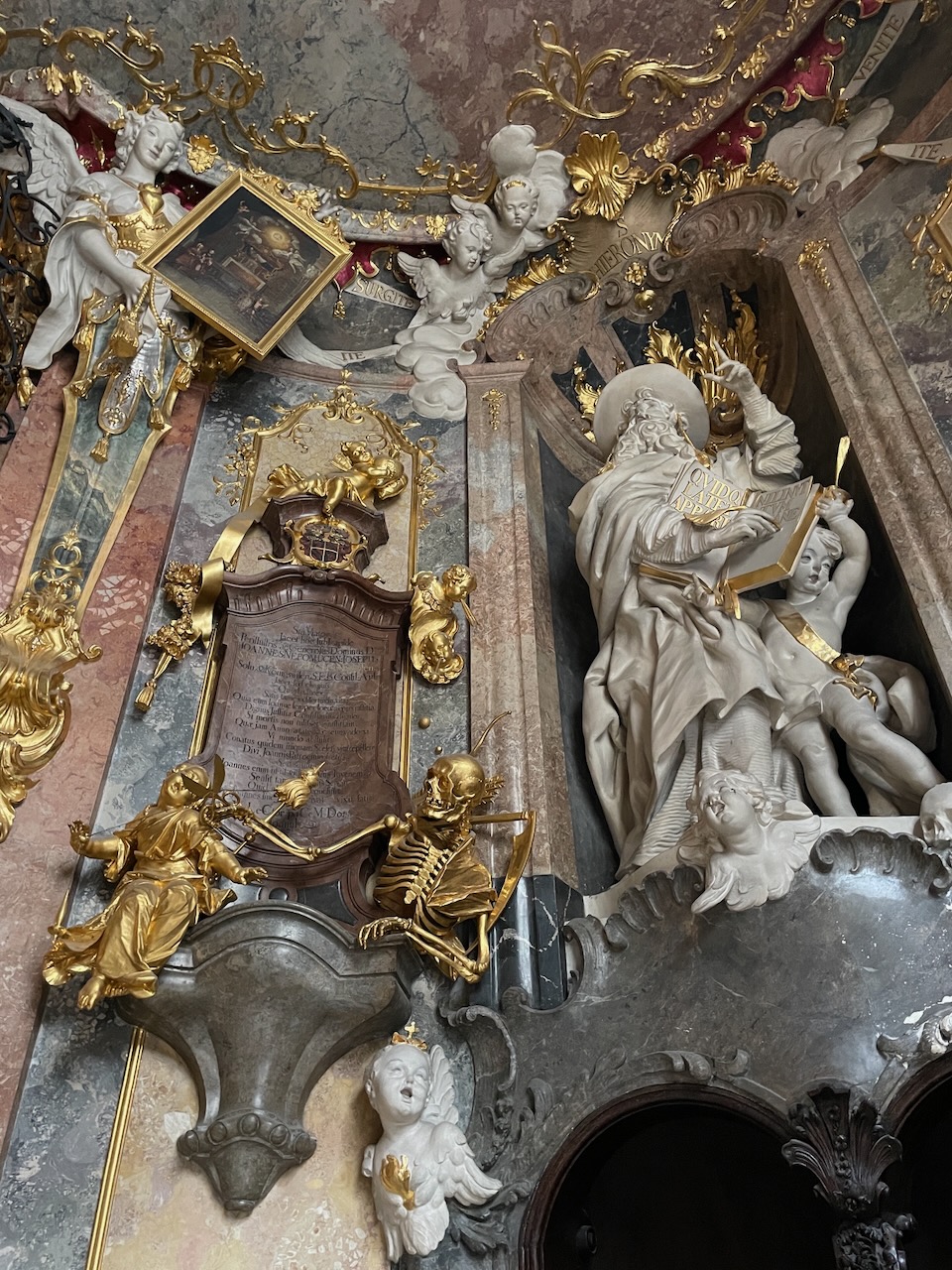
Regardless, it’s history of religion runs deep, and there are a bounty of church buildings to peer into. In Munich, which is replete with them, I did a walking tour of some of the more interesting one. By far my favourite was a baroque master piece called Asamkirche (A St. Johann Nepomuk Church). It’s tiny and on the High Street, squeezed between fashion stores and a dentist, but step through the heavy wooden door and you find yourself in quite the visual spectacle.
And what of cars? Wasn’t that the whole point of Germany? Indeed.
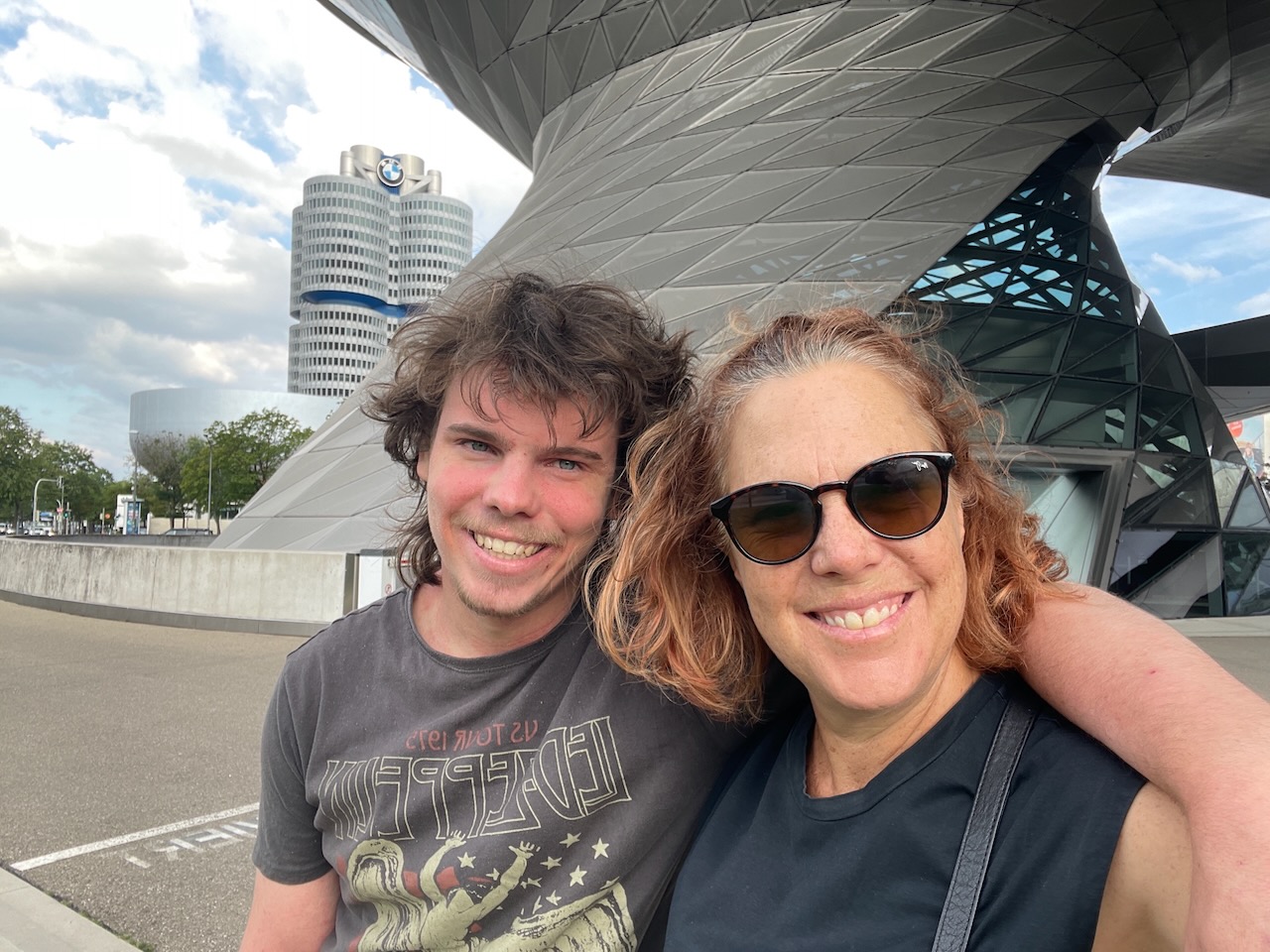
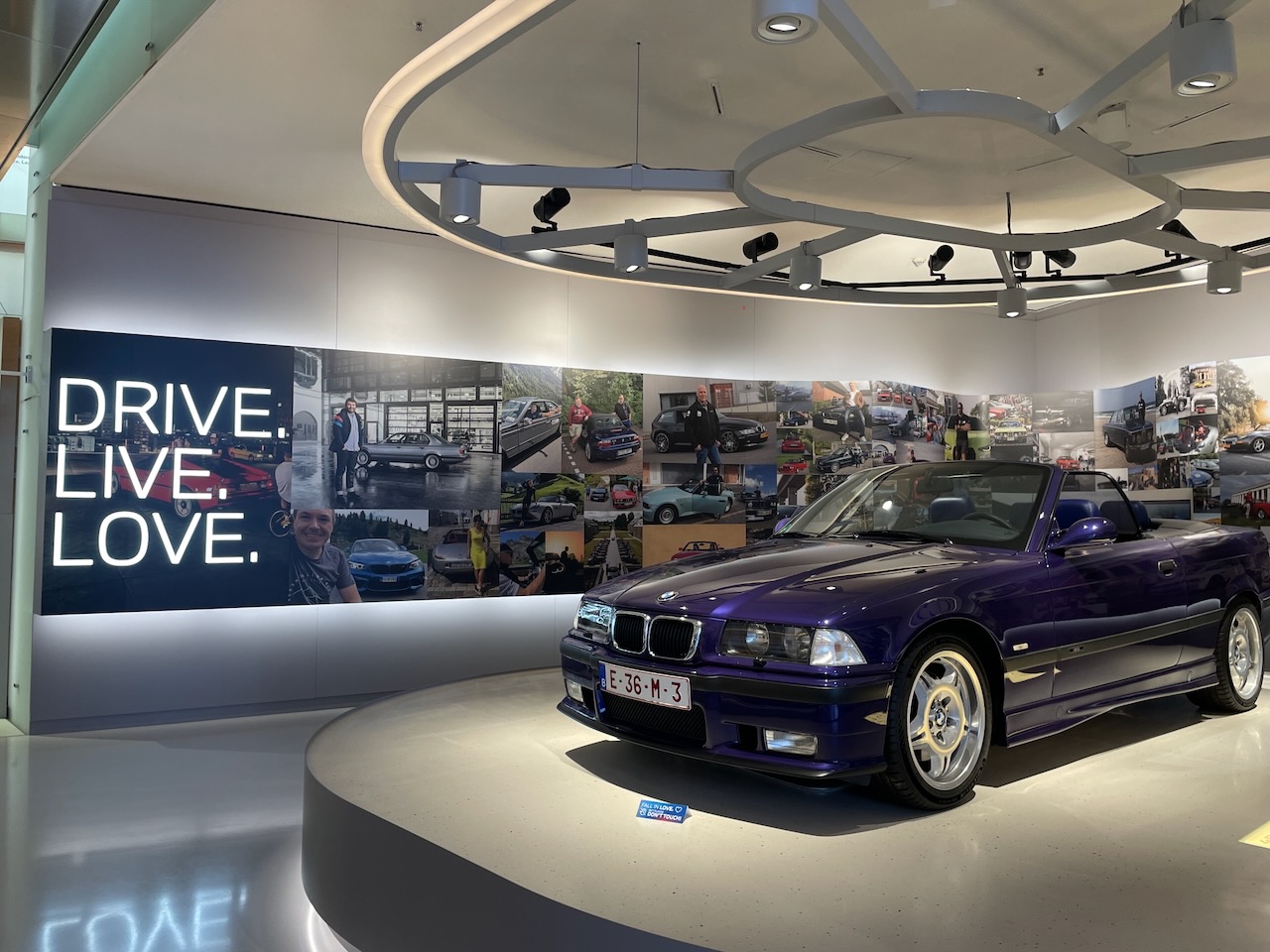
In Munich we visited the BMW museum, and here I learned more about engines than I am able to retain. And motorbikes, which is their origin story. The building itself is worth a visit, and the museum well curated and filled with stories from the past, and plans for the future.
In Stuttgart, a working-class town with a strange energy I couldn’t quite put my finger on, we spent time at the Porsche Museum. This is a story of how one man’s passion, for electricity, oddly enough, and love of motor-racing, turned a passion project into a viable, premium side-business for Volkswagen (literally, “people’s car”) . Of course, racing is an essential part of the Porsche DNA, but I loved this museum for the interesting quirks (keep left – IYKYK) and for the intent in the design of each model. Each car is lovingly displayed, pristine and ready to go. There is an engine room (garage?) on the ground floor, which ensures every Porsche in the museum is drivable. You can peer in whilst you have a cup of coffee and piece of cake!
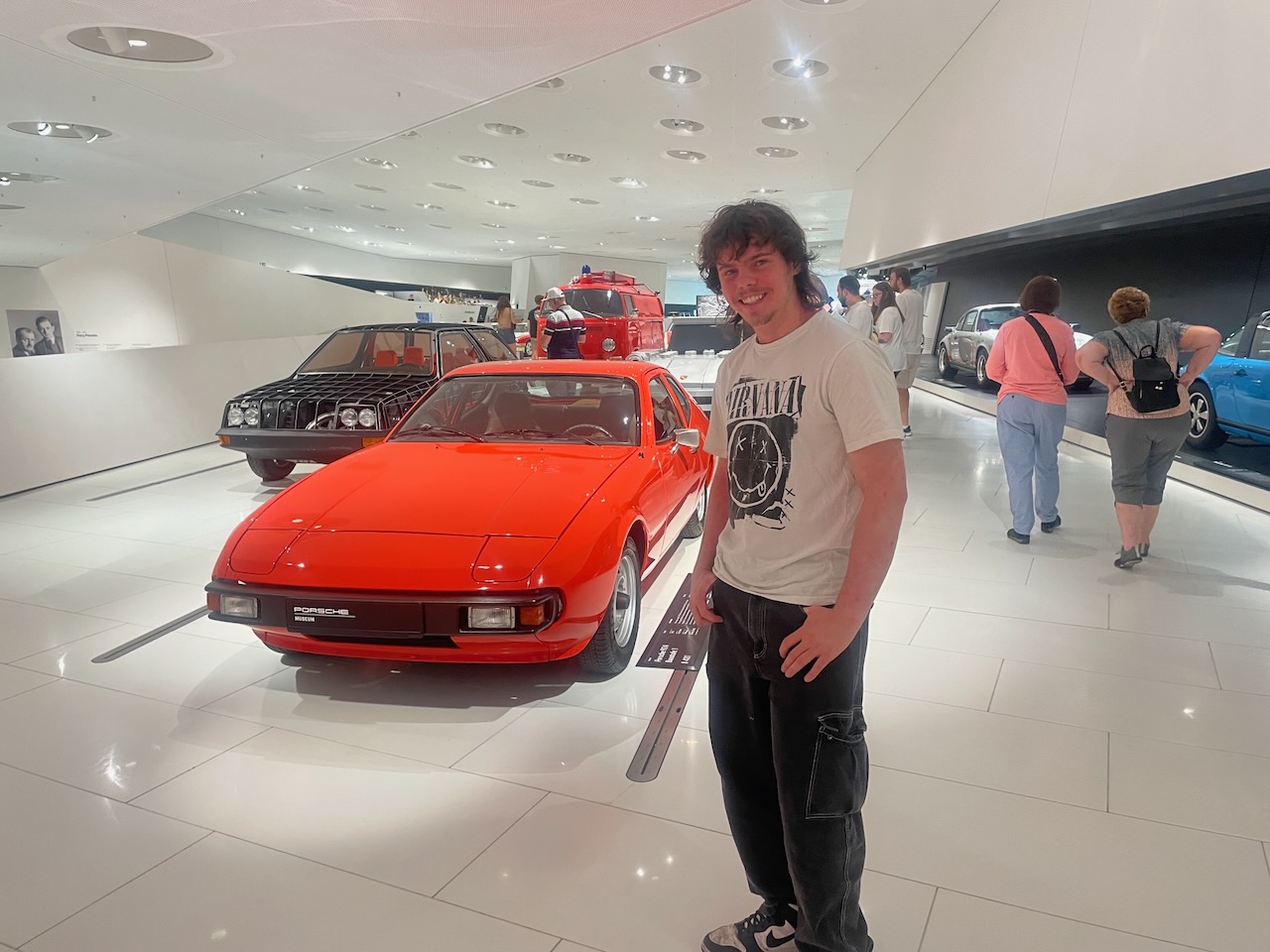
I’ve never been into cars, but I can tell you, visiting these places showed me why people are and made me question my life choices! I too should aspire to drive a better motor car.
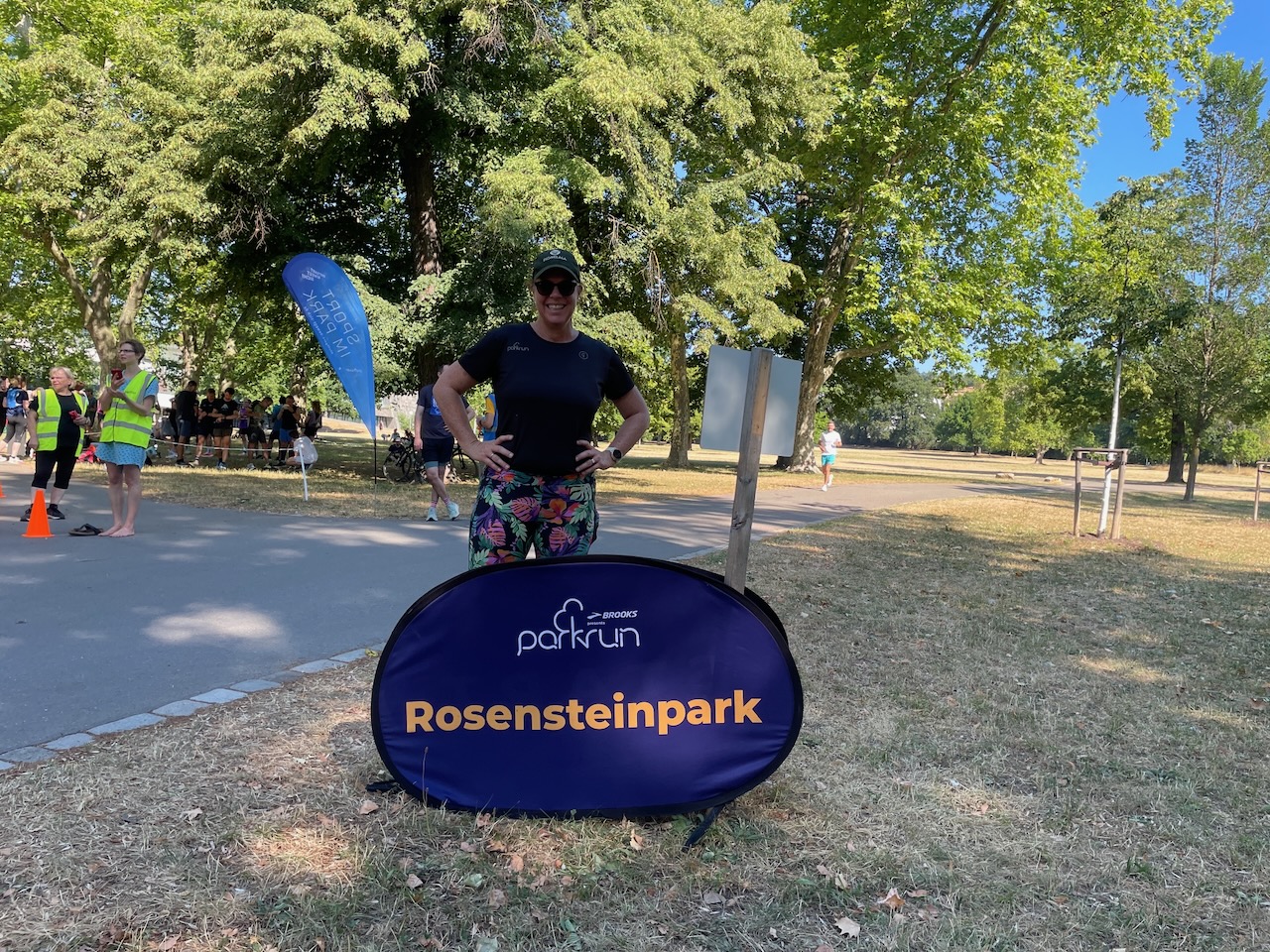
As an aside, Stuttgart hosted my favourite parkrun. My “Sydney, Australia” response to the standard question “Are there any visitors?” was met with a “What, really?”. It was a lovely run through the park, beneath old trees and amongst lush greenery, but more to the point, it was the friendliest park run I’ve ever been too.
Finally, after a little detour in Heidelberg…
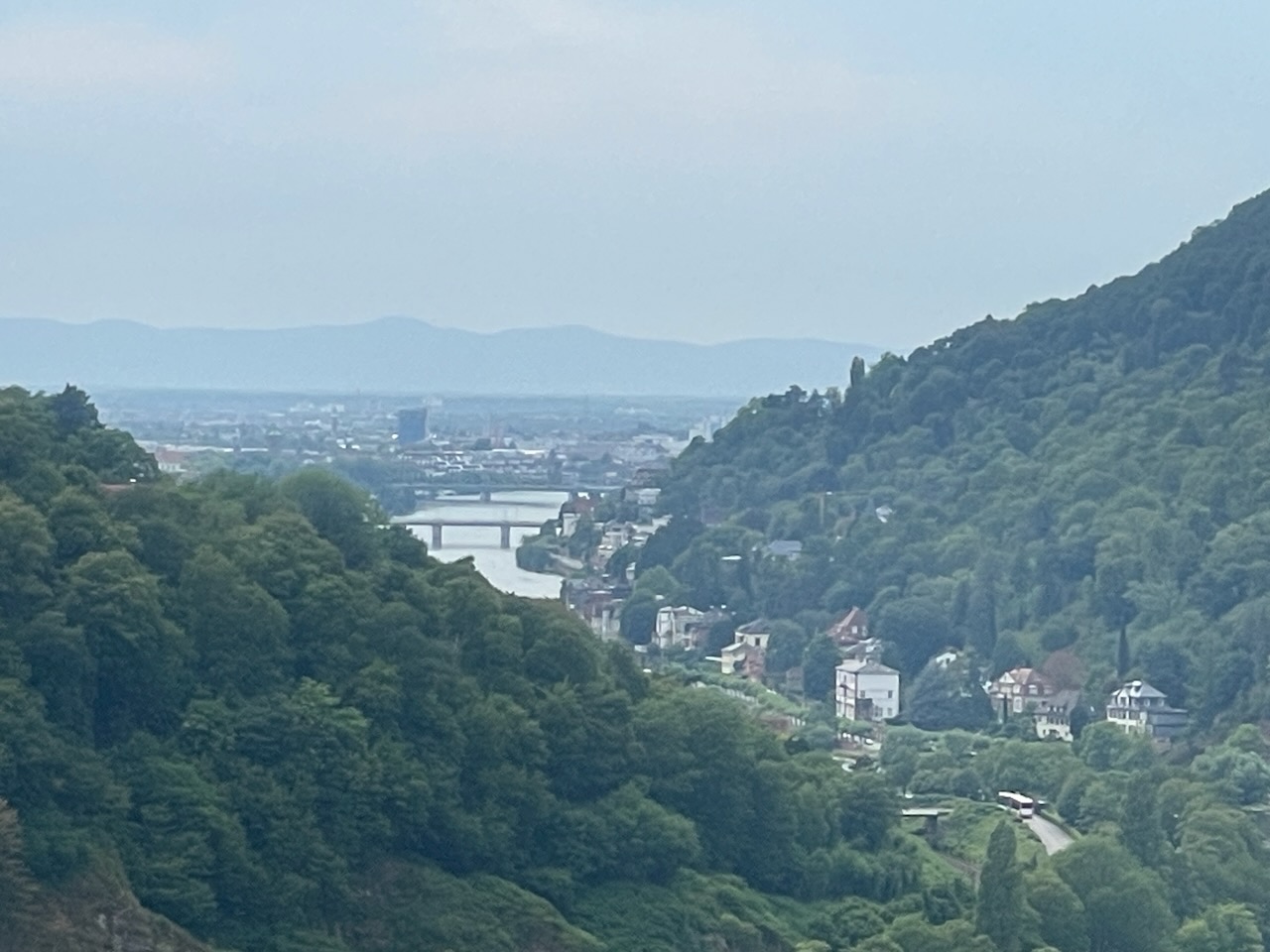
…we ended up at Nürburg.
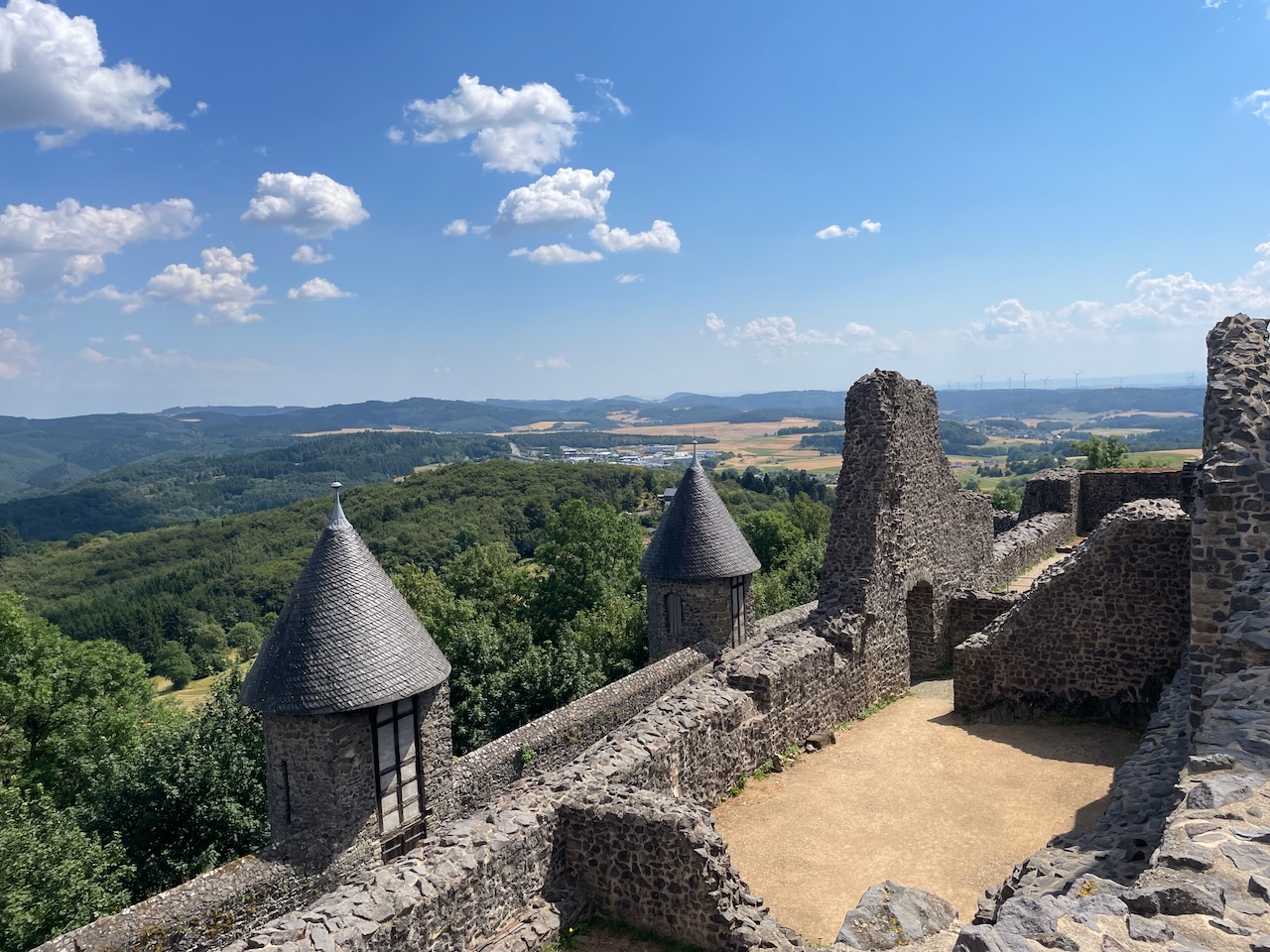
Nürburg has a very, very old castle, dating to the High Middle Ages. It is so old, the records about who commissioned it or owned it are in a bit of dispute – none the less, it dates back over a thousand years. We visit here, but that is not why we have come to Nürburg.
Nürburg is home to Nürburgring, and in particular the Nordschleife – a winding 20km race circuit featuring lots of bends and an immense amount of elevation change. For a pretty reasonable price you can do laps in your own car, but watching the cars career around the corners at high speed I am immensely glad rental companies do not allow such shenanigans. Instead, we spend a couple of days perched around different vantage points taking photos and listening to a symphony of precision engineering thrums and squeals played by experts putting their cars through their paces.
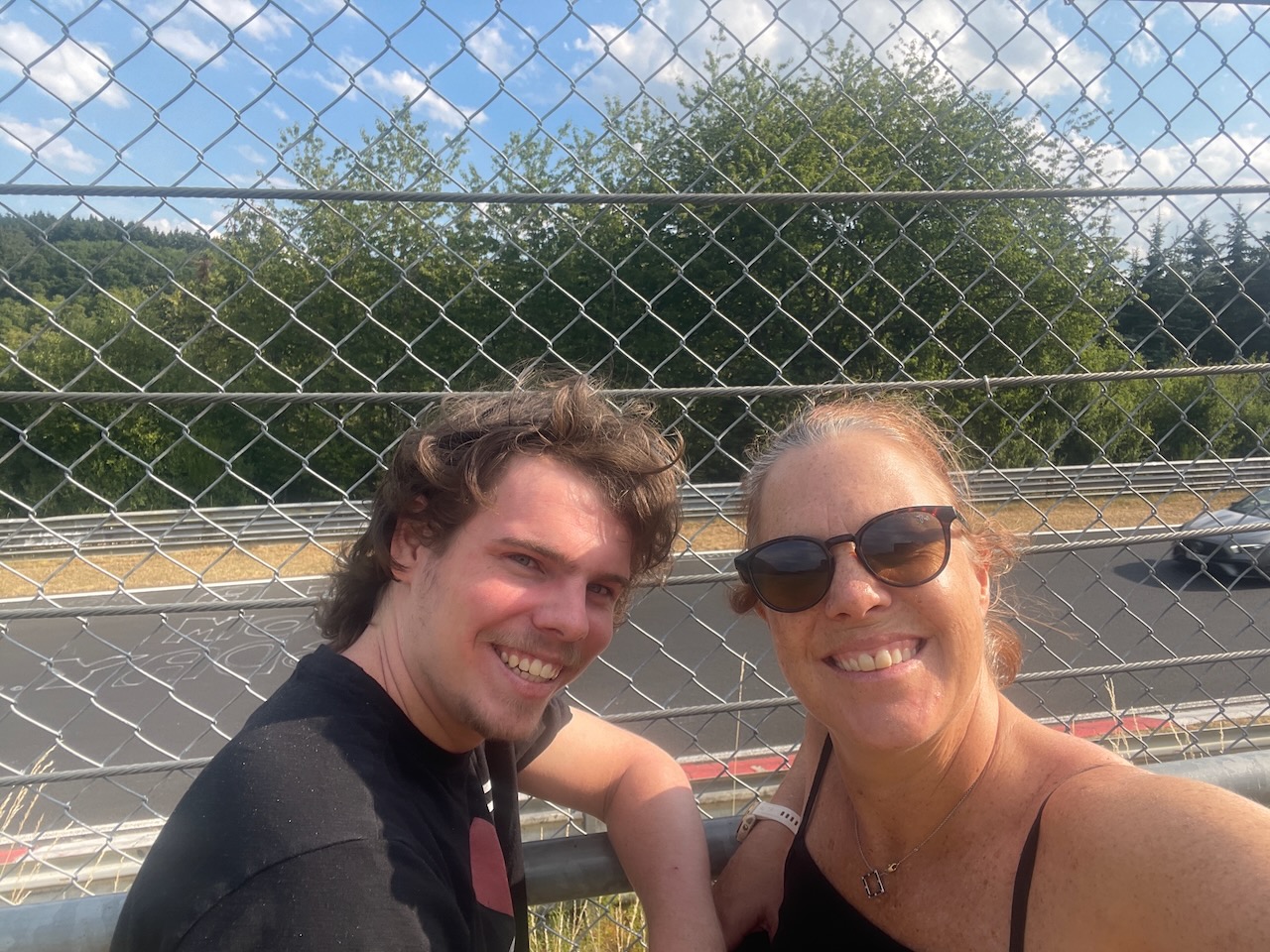
To be fair – that hardly covers everything. There is the beer hall in Munich, Segwaying in Heidelberg, driving down the autobahn at 170km an hour (eish). Playing mini-golf on the side of a very steep hill. We visited yet another castle – this time with hawks, wolves and baby goats. We packed in it. But mostly, we had the opportunity to reconnect as adults. And that, my friends, is the most precious thing of all.
Next stop, Belgium and the Grand Prix.


Leave a Reply