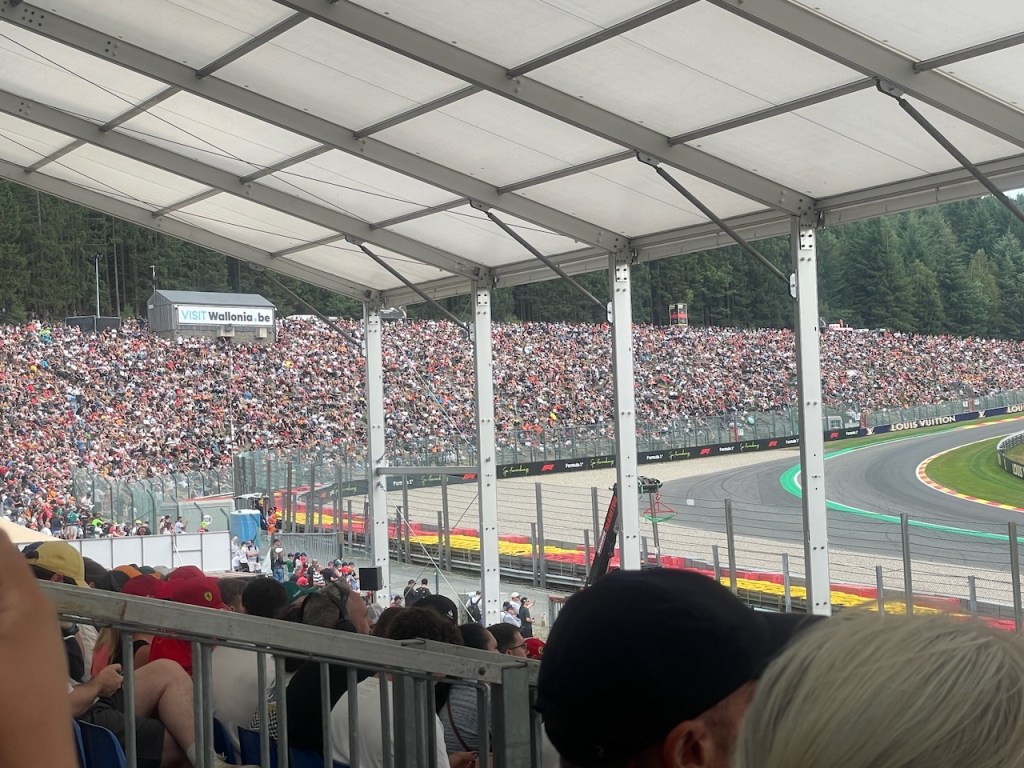
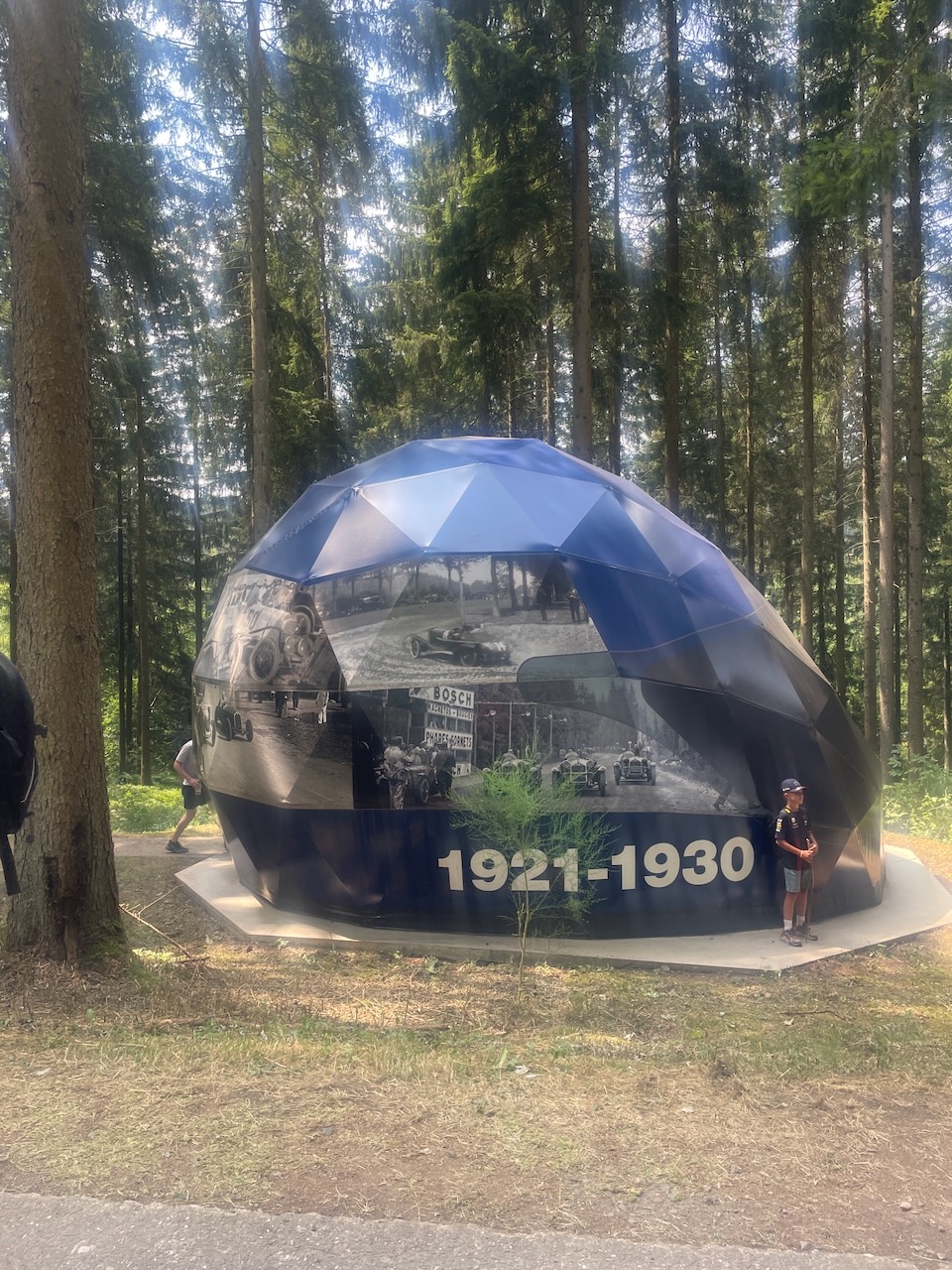
For over a hundred years, the countryside surrounding Spa in Belgium has been associated with motor racing. Spa-Francorchamps is one of the few old-style racing circuits still in operation (one of the others is Nürburgring, from where we have just come), built in 1921 it has played host to motorbikes, 24-hour endurance races, Grand Prix events and since 1950 – Formula 1. It’s considered one of the more exciting places to race.
The Spa-Francorchamps race circuit is set within the Ardennes countryside. An ancient forest of towering trees surround the race track, which swoops and turns through the hyper green countryside, following its dramatic shifts in elevation. It is part of the appeal for drivers, but it means getting to where we are going – and back again – requires a lot of hill walking. At the end of the day my son has to literally drag me up the gradient.
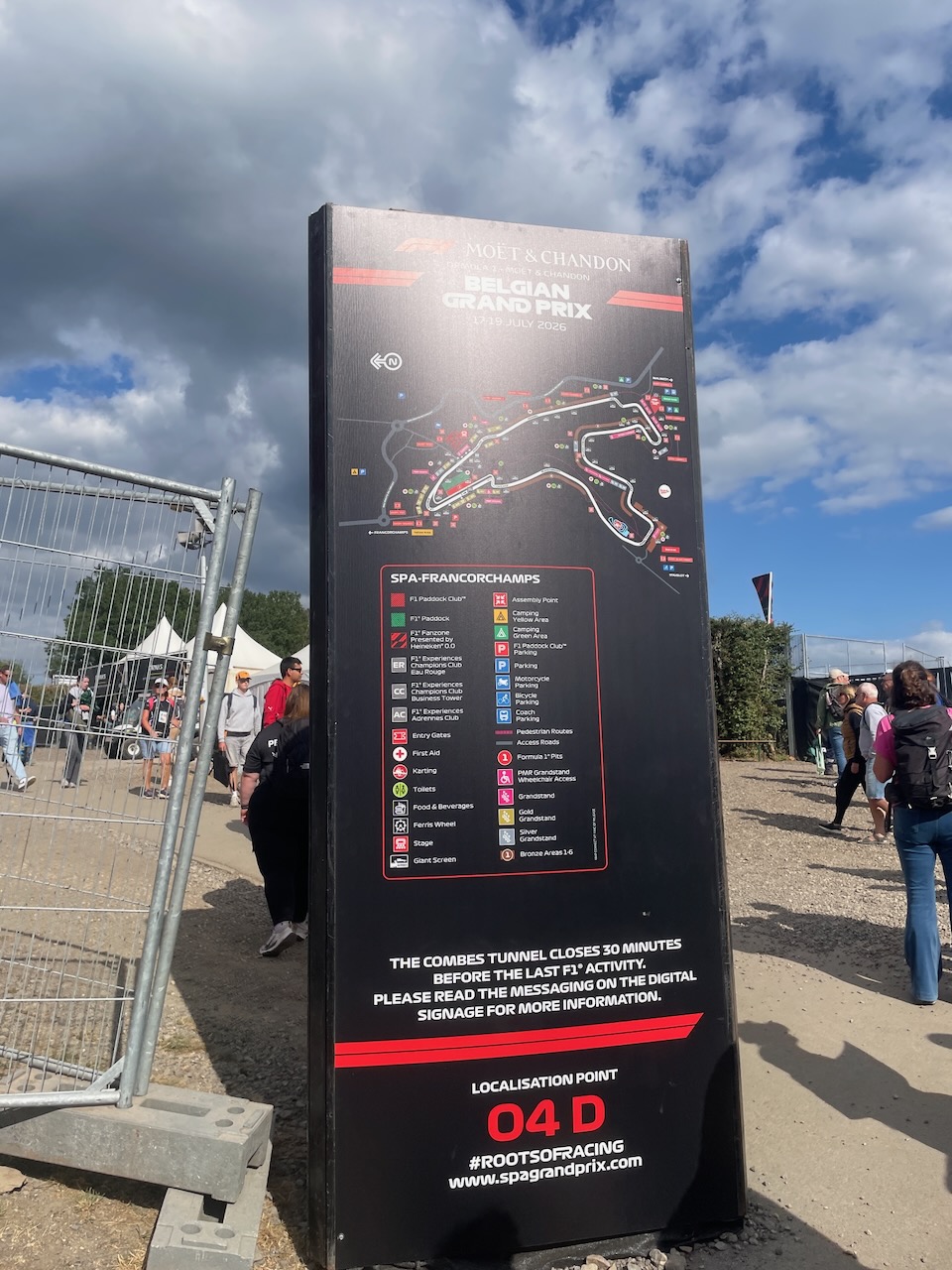
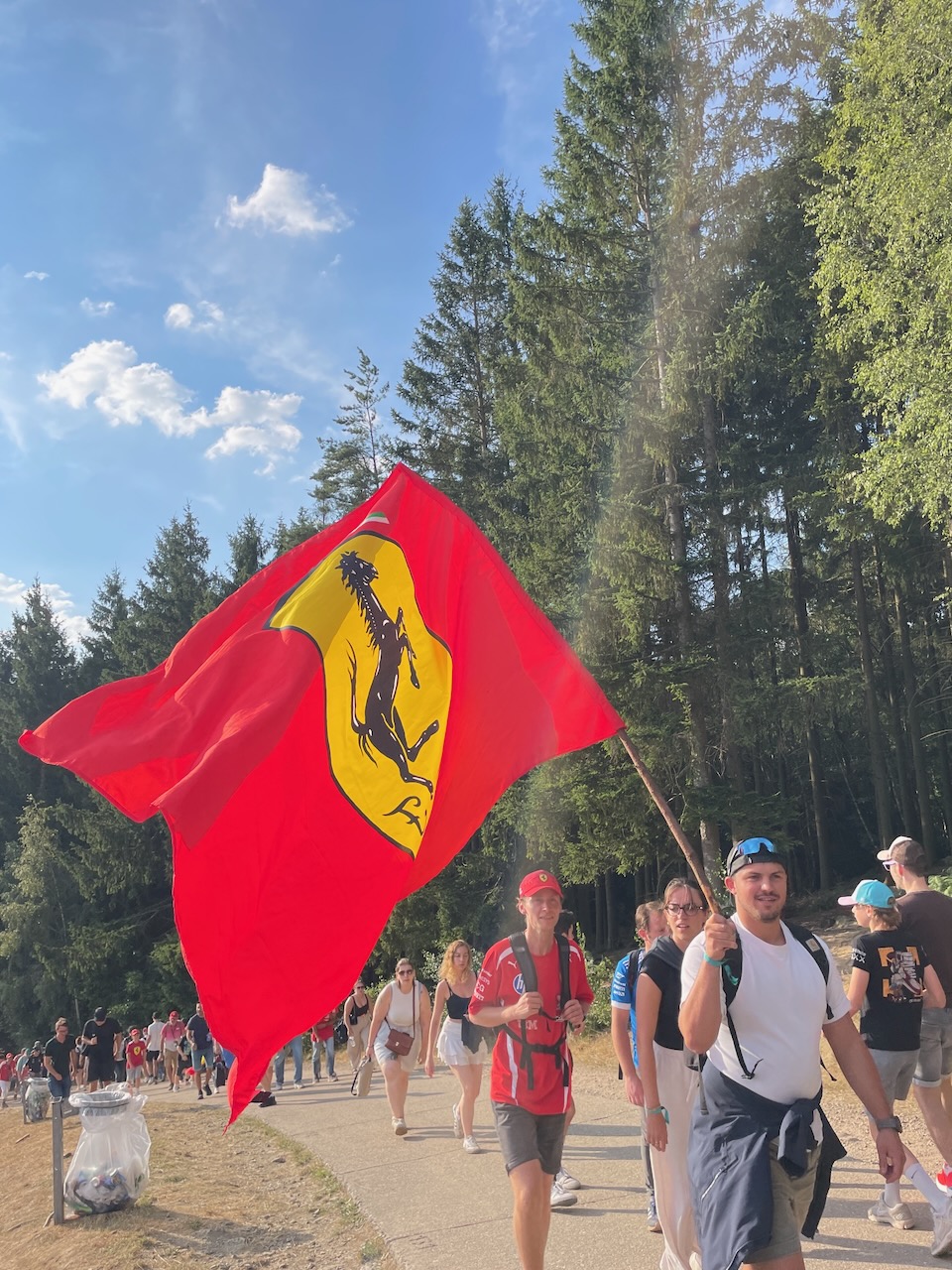
When the F1 comes to town it’s busy. We’re part of 400 000 others, record numbers in 2026, who descend on the normally quiet surrounding countryside, swelling the population by about 2500%.
The traffic in and out, as you can imagine, is intense. Getting out of the field in which we are parked each day takes hours. On day 2 we resolve to bring snacks and adopt an attitude of patience (aka, an in-car nap).
The F1 weekend itself is an experience. The entrance area is pounding with DJ’s, stalls and food hawkers. There are people everywhere, huddled along every fence line 6 chairs deep, or perched precariously on the sides of steep hills. Some people camp out amongst the soaring trees for an elevated view. We are lucky enough to have great seats, on the Double Gauche with views of two corners and a large screen in front of us, covered from the heat and expected rain (it hardly does, an unusual turn of events in this ).
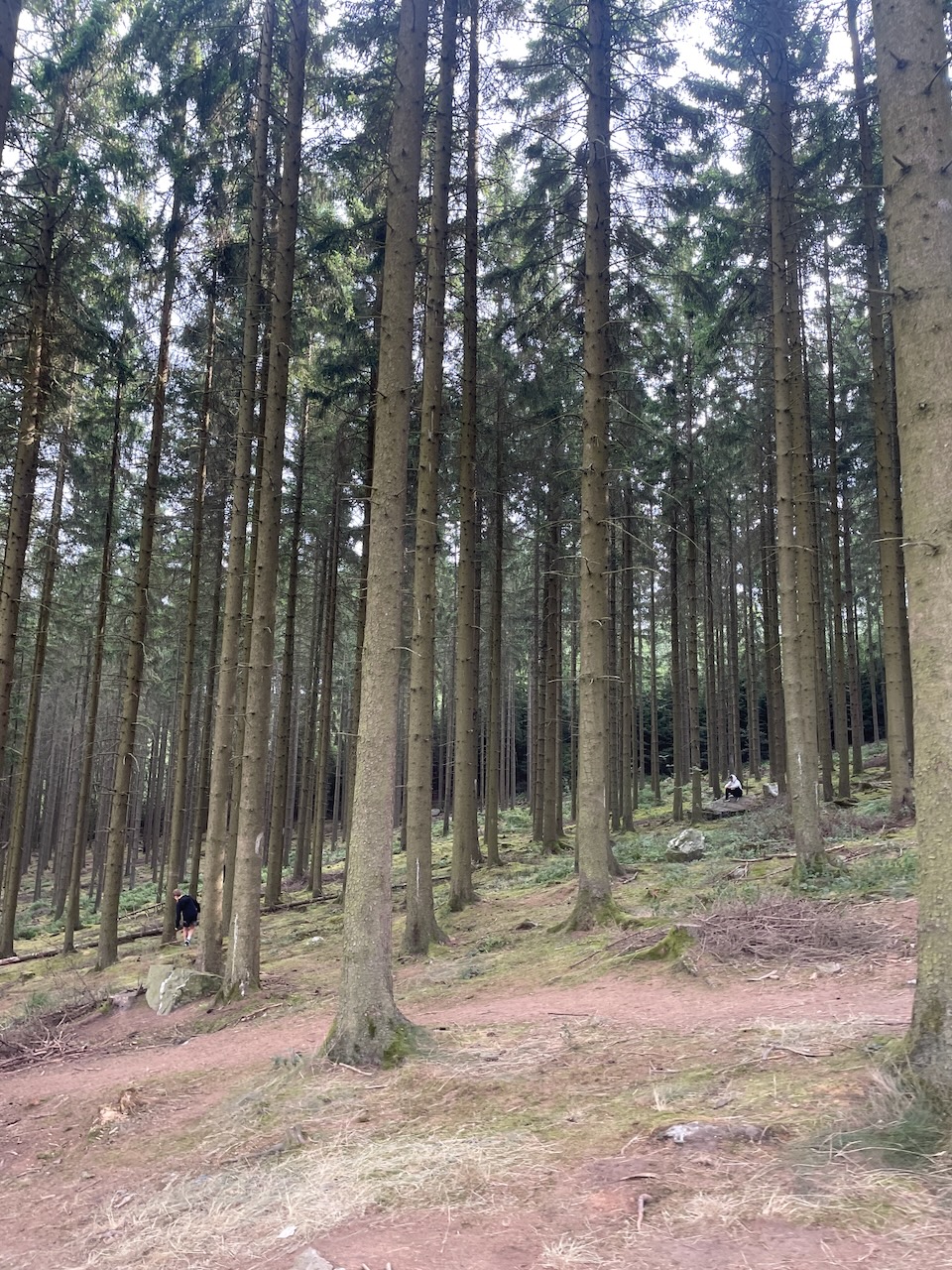
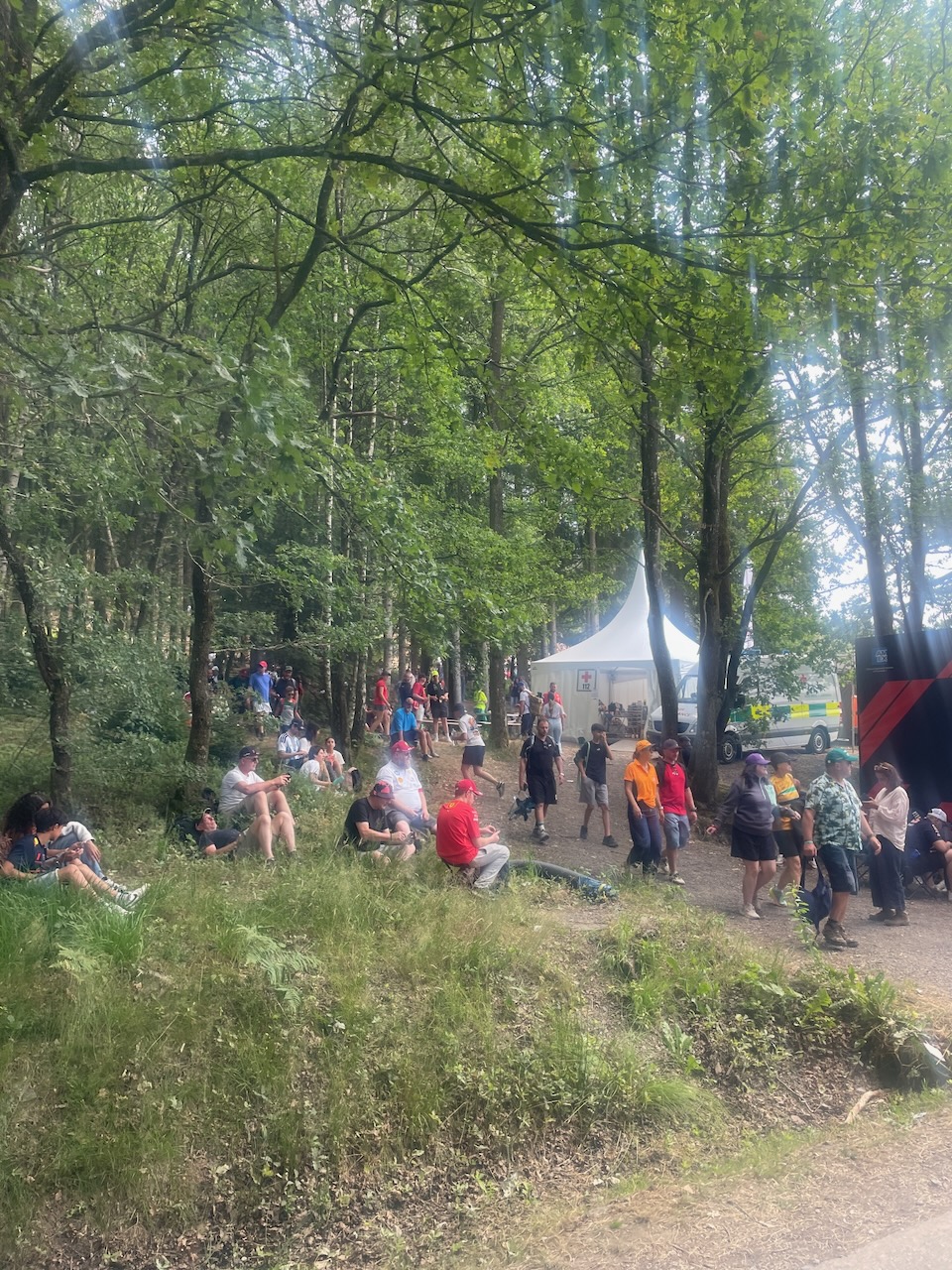
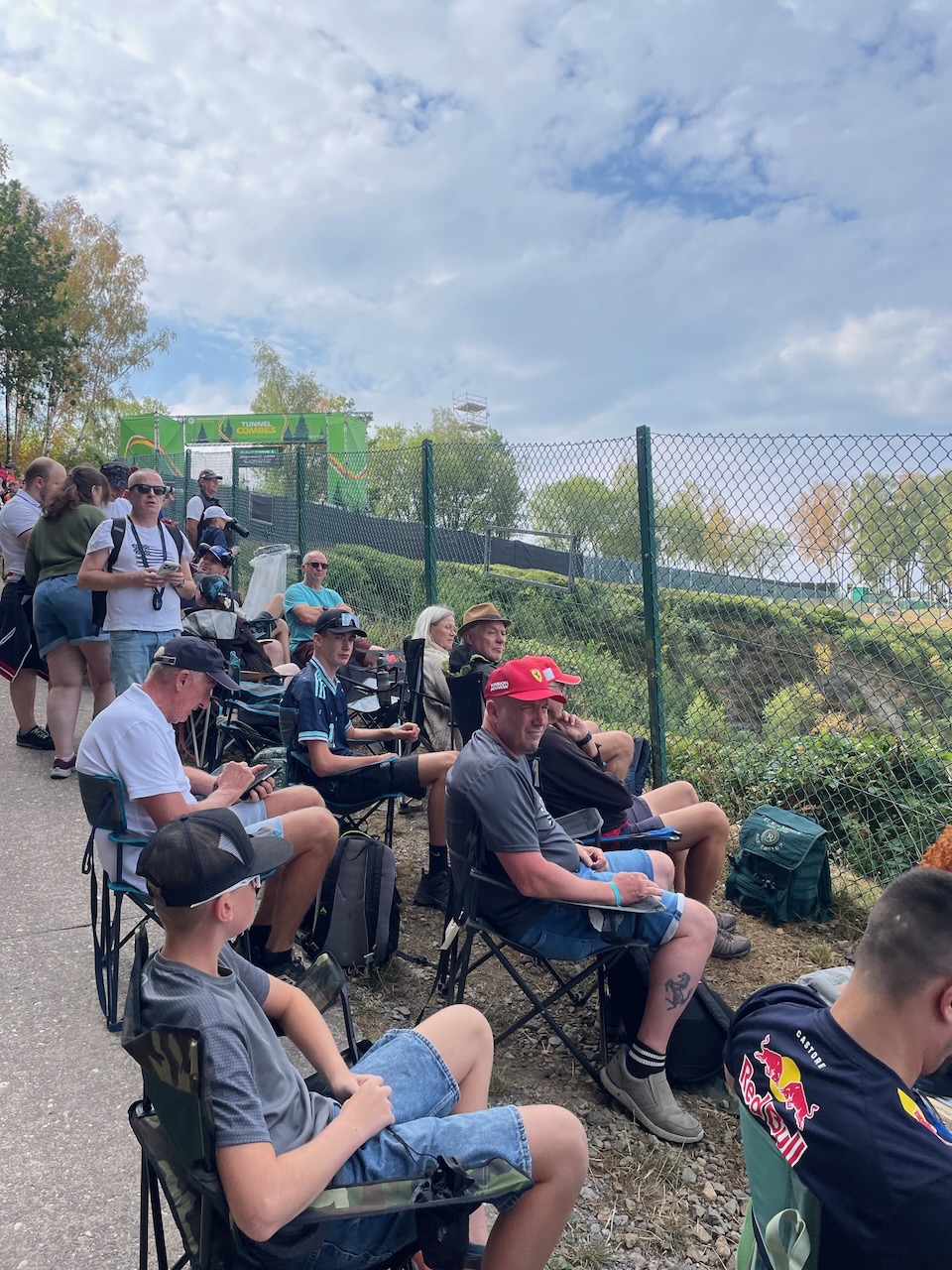
The F1 is the reason for this whole trip. We go for the full three days, for all events, the Porsche Supercup, Formula 3 and 2, and of course the main game. Each event has its own soundscape, its own celebrated history. The crowds get thicker and bigger, the queues to the loos and food longer and the seating around us from half empty to chocabloc as we move towards race day itself.
It’s a weekend of heady sensation. Loud noises, crowds. The thrum of music. There is something primal about the throaty roar of an engine and the speed at which drivers throw themselves around corners, trusting to gravity and design to hold them to the ground. I love most the passion of the event – from the spectators to the car manufacturers.
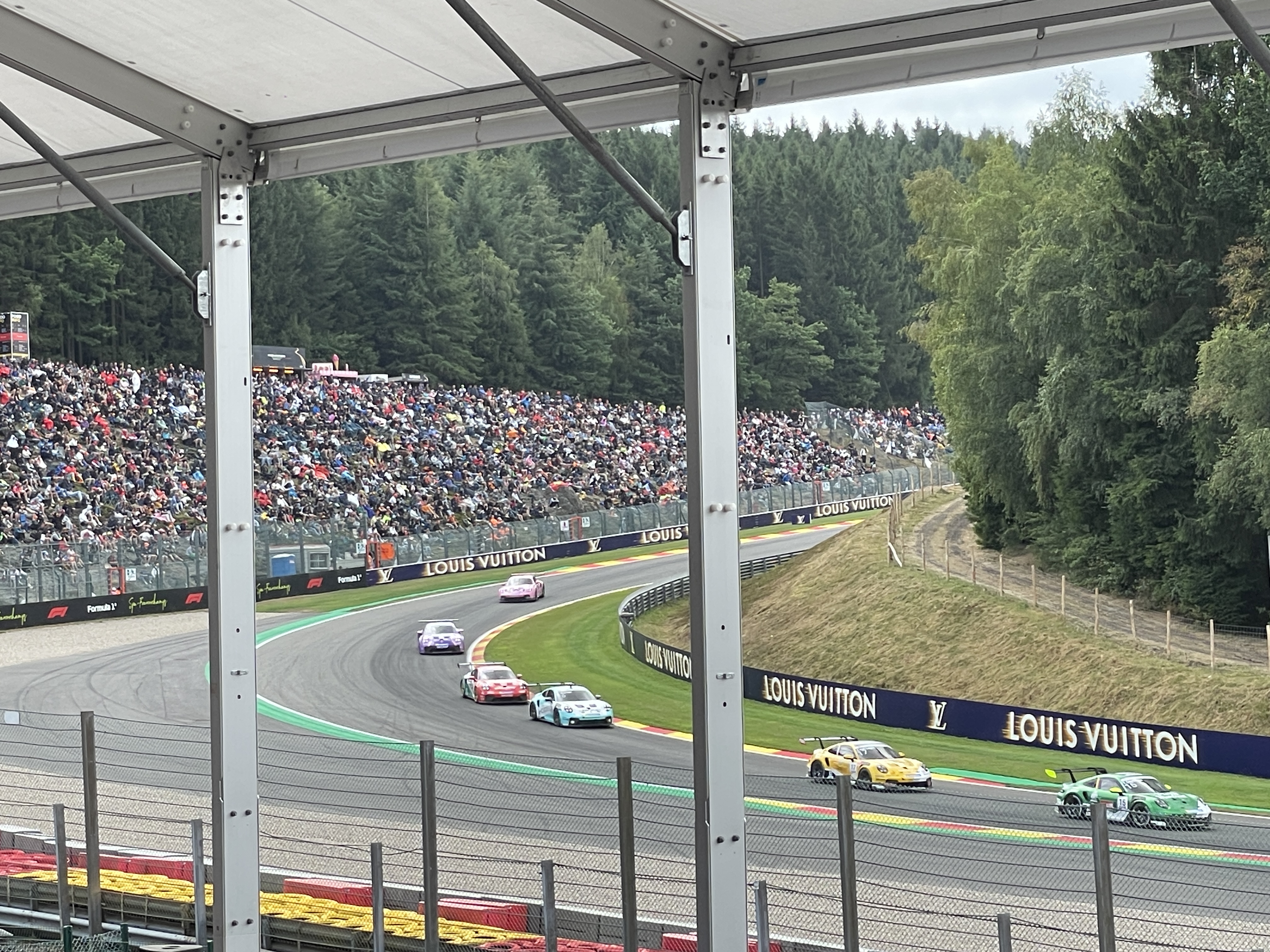
By this stage we’ve visited the museum of British racing, and BMW, Porche and Mercedes museums, and Nürburgring, so I’ve learned a lot about the history of racing along the way. There is a romance to racing that has nothing to do with money, glitz and hero-worship. The industry comes from a place of passion, of men and women pitting themselves and their mechanical creativity against possibility. The thrill of speed and adrenaline, of human vs nature, is writ large through racing’s long history.
I understand a little of what draws my son into its world, and it is the best thing about this trip. Seeing the world through his eyes.
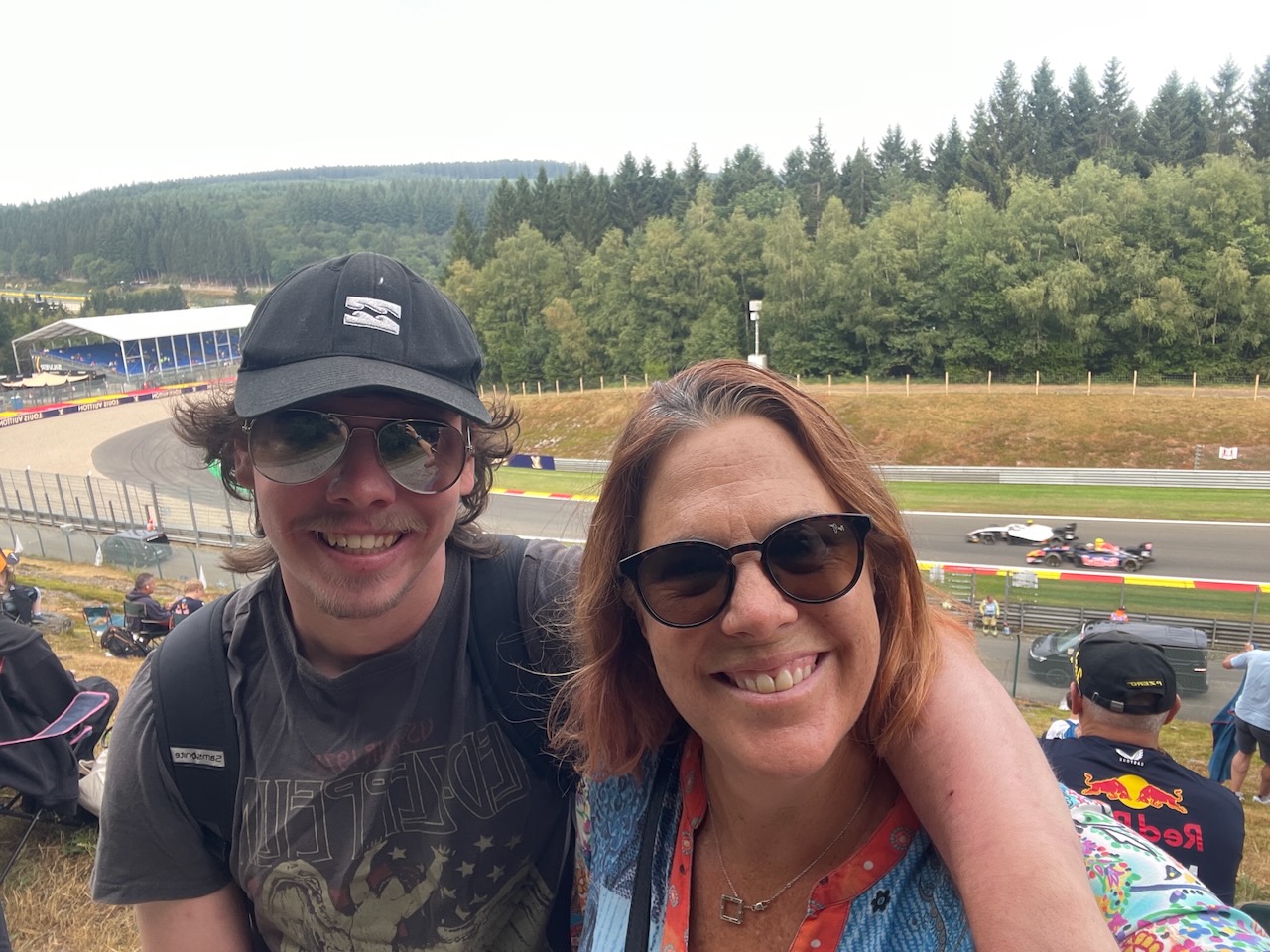
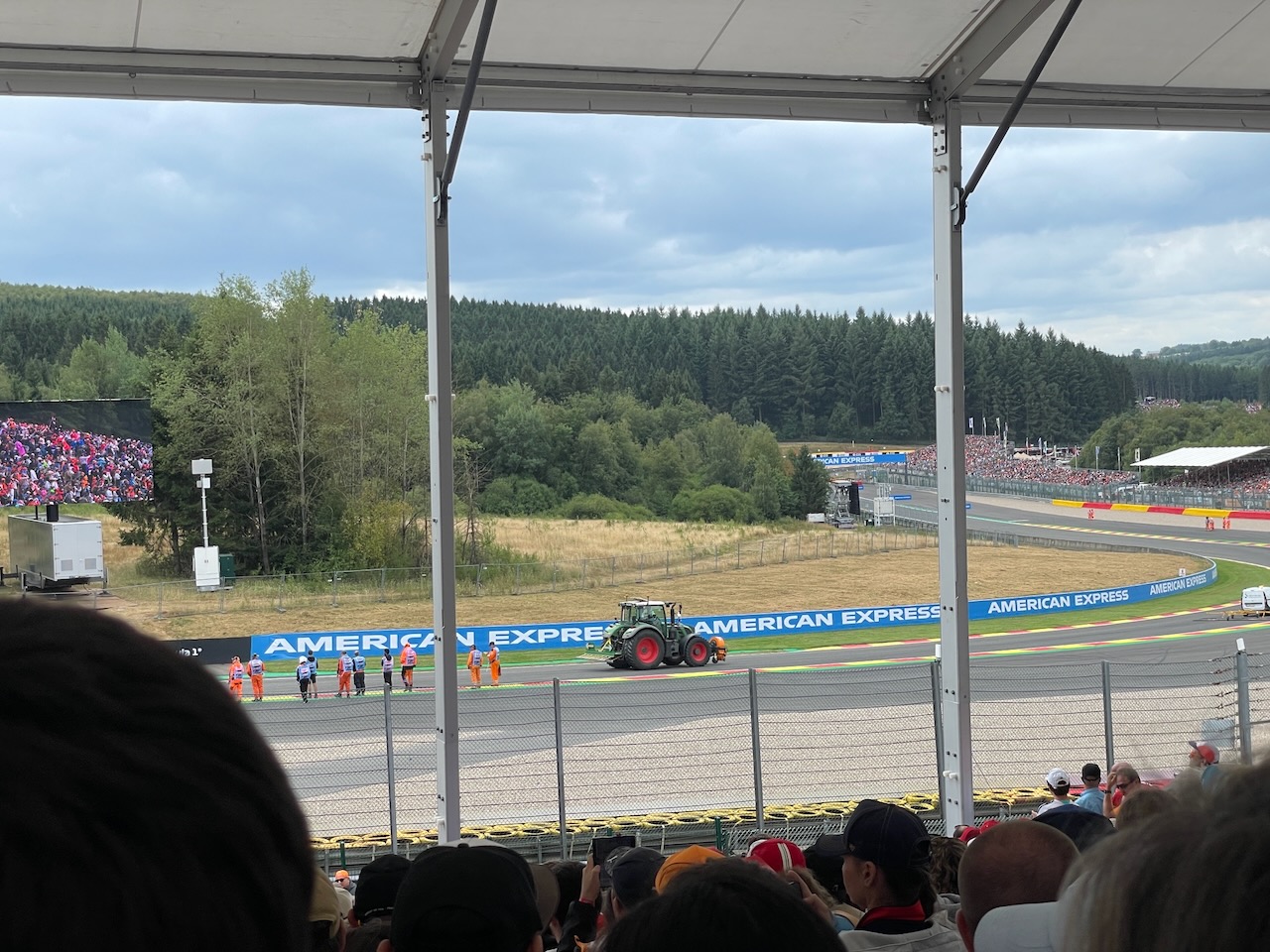
In each place we visit, he fills in the details that aren’t always captured. At the F1 itself, I learn when we should boo (when the Paddock comes past), when we should applaud and whoop (when the trucks or volunteers do their thing), the influence of marbles – the little rubber pellets left on the track from the degrading tyres, and the history of the drivers, cars and the track itself.
Racing aside, being here with him delights me in a way perhaps only other mothers of grown-up kids can understand. Kids move away from you as they grow up. As they should, of course, but it’s hard to come to terms with in practical terms. Boys in particular set off stridently down their own pathways to independence. There is a need to move from being in the role of parent to the role of mentor. No one warns you before hand (consider yourself forewarned). It takes a deliberate determination to see them as the adults they are becoming, rather than the children they were. To take the time to be curious about what they have to say about the world, to support them in their own choices. To be less about assuming, imposing your own hard won wisdom on them and more about listening to theirs. Growing up, it would seem is a job never quite completed. In some respects, this trip was exactly that.


Leave a Reply