
To counteract the rev-head weekend spent in Spa, we wind up our mother-son trip with a couple of days in Ghent. Ghent is delightful enough to get on my must-come-back list.
To get there, we cross Belgium. Not as big a deal as you might think. The whole country is less that half the size of Tasmania. We change languages from French to Dutch / Flemish as we go. Our pivot point is Brussels – grey and dirty – at least around the station, where we hand over the car and hop onto a train.
The historical town of Ghent is a magical concoction of canals, cobbled streets and stone buildings. Founded back in 630AD with the building of the abbey, the confluence of two river systems and a thriving wool industry made it a bustling economic hub for many centuries. Like all of Europe, it has been shaken and shaped by the whims of Kings and religious mad men. Belfrys, churches and a castle all make for sightseeing adventures hundreds of years on.
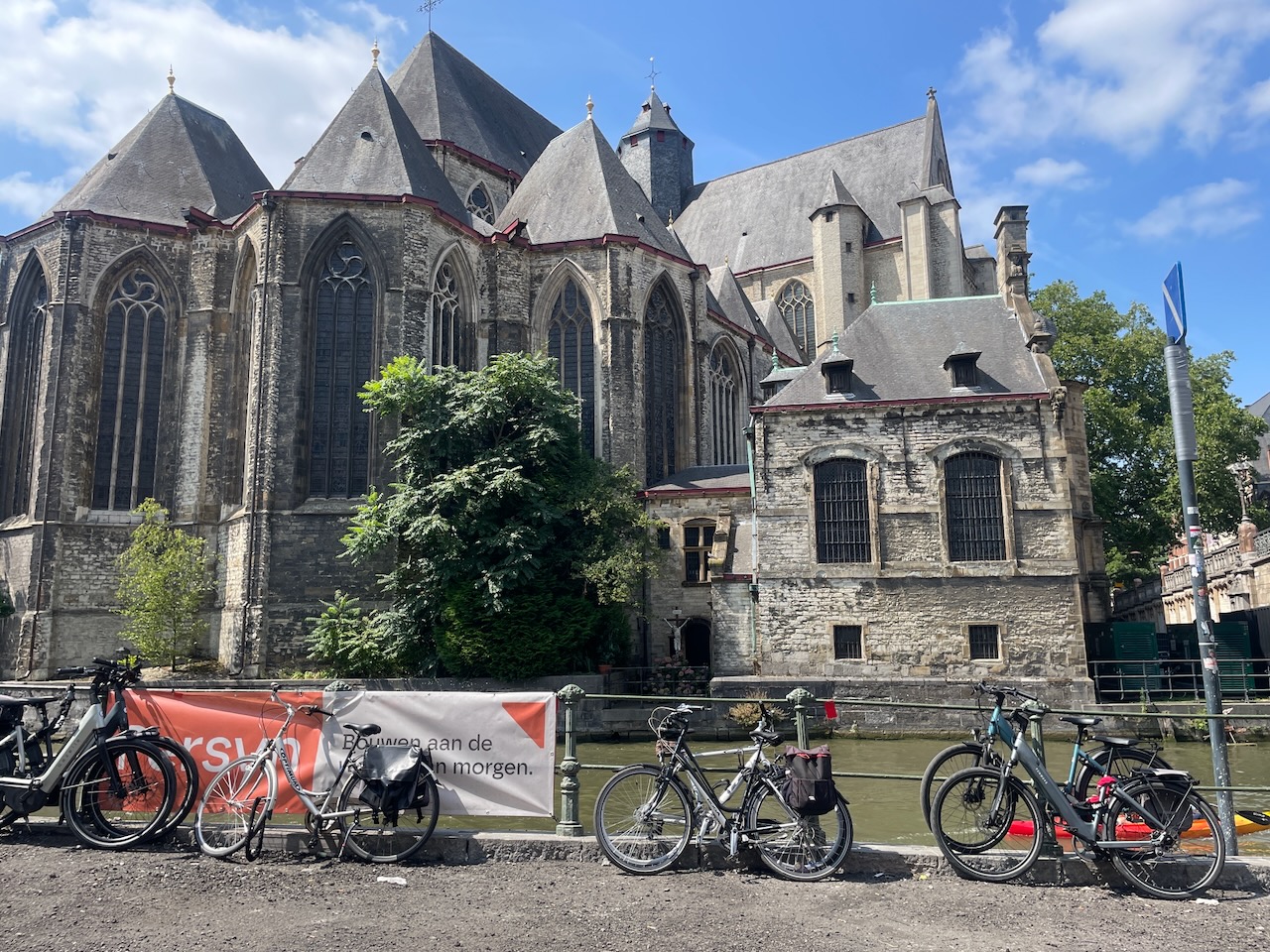
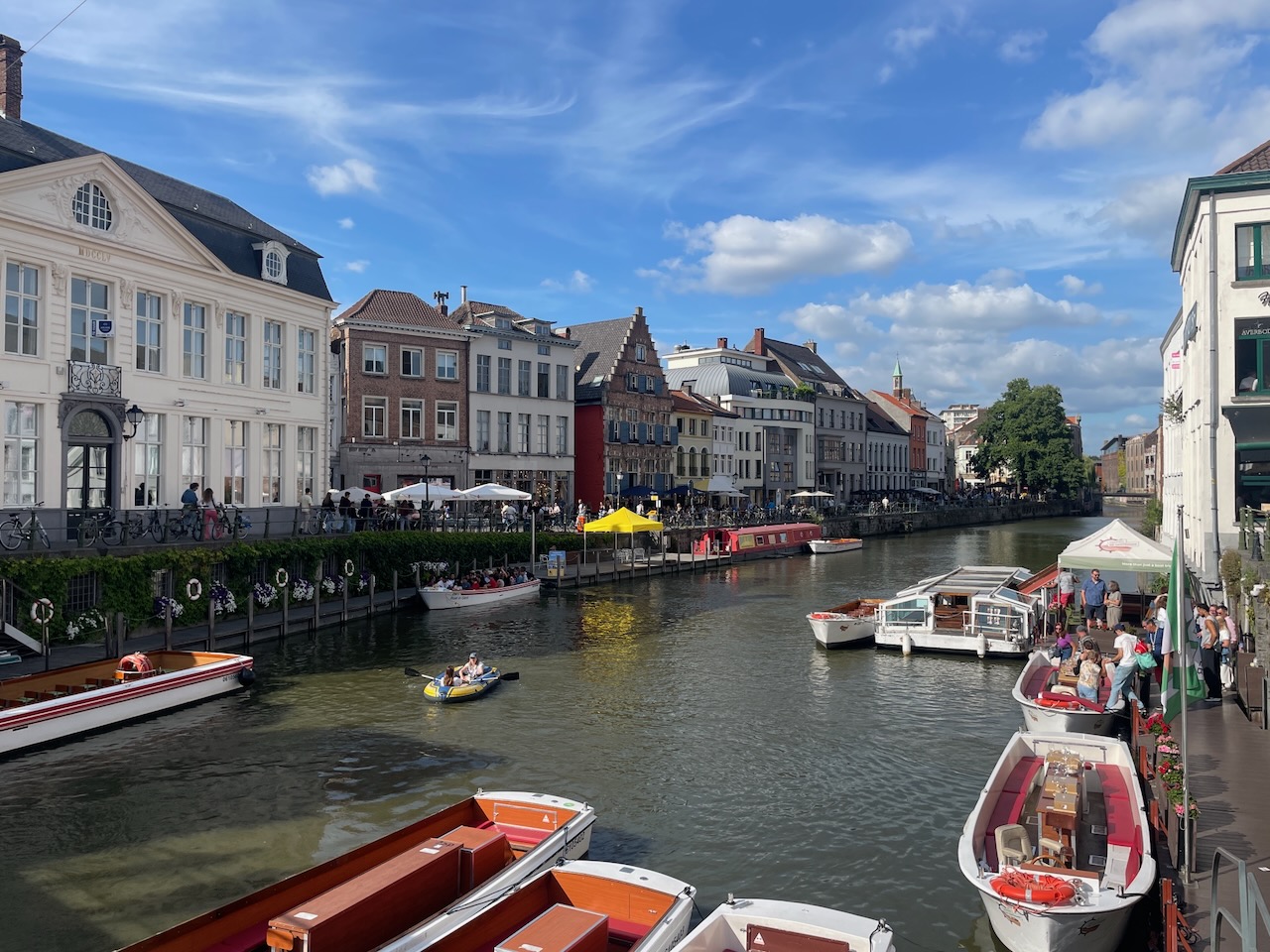
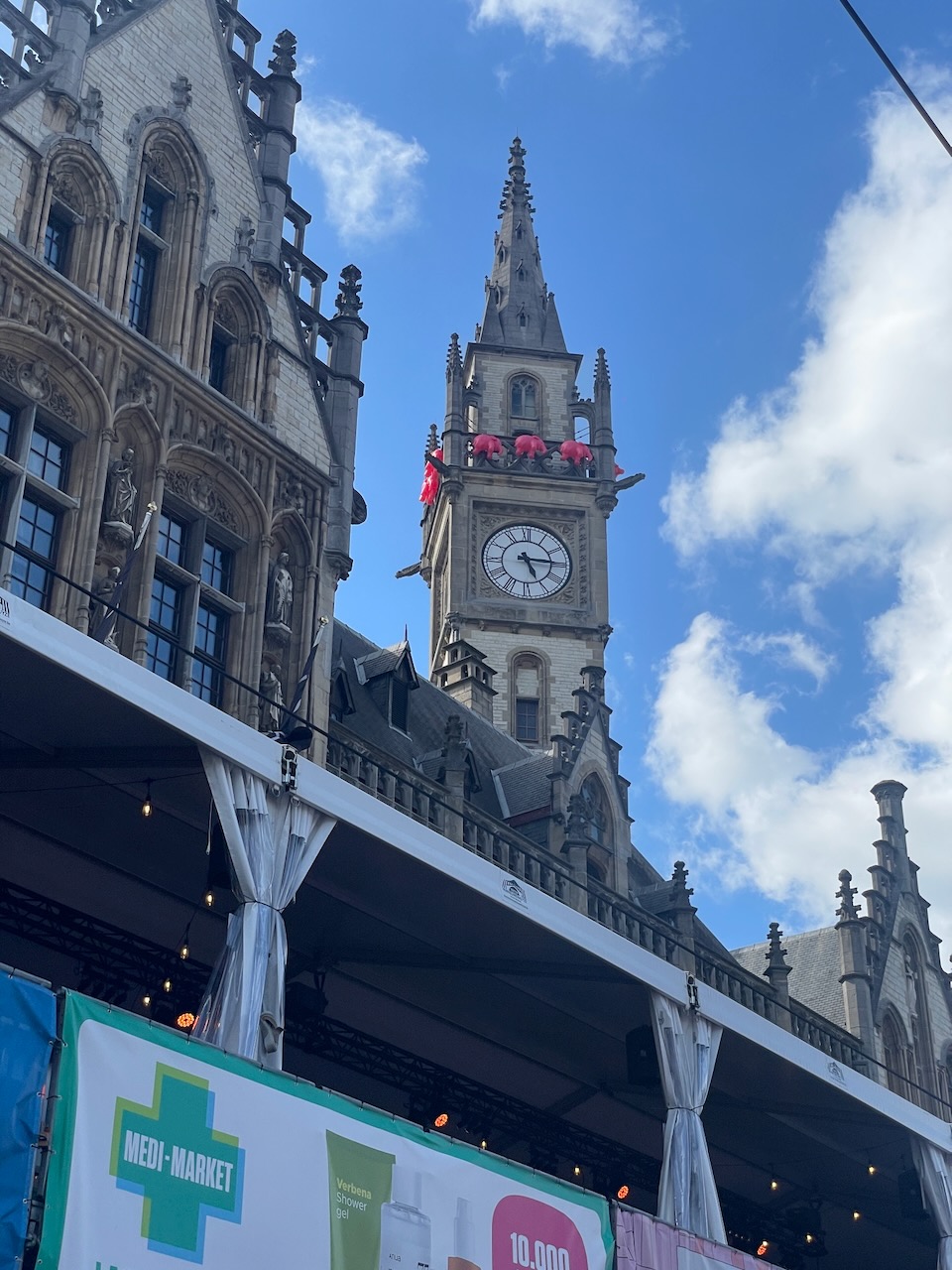
The historical centre is largely intact. Gorgeous buildings line ancient waterways, and when we arrive summer is in full swing and pavement cafes are bustling everywhere. We arrive in the middle of Gentse Feesten – an annual festival of musical and theatre and general bonhomie. The town is packed. The must-see historic buildings are bedecked in festival paraphernalia. Plastic ducks and pink elephants feature heavily for reasons I do not understand. Crowds of families and friends sing along in beer hall style set ups, spill out of restaurants and bars and form knots of bustling excitement as street performers meander their way around.

We stay right in the heart of the old town, in an old building above a bustling Asian restaurant, which showcases the marvellous juxtaposition of old and new that is Ghent. Our light filled loft apartment is four stories up a winding, dark staircase. Lugging my suitcase up there left me puffed. As did walking the town flat until my feet ached.
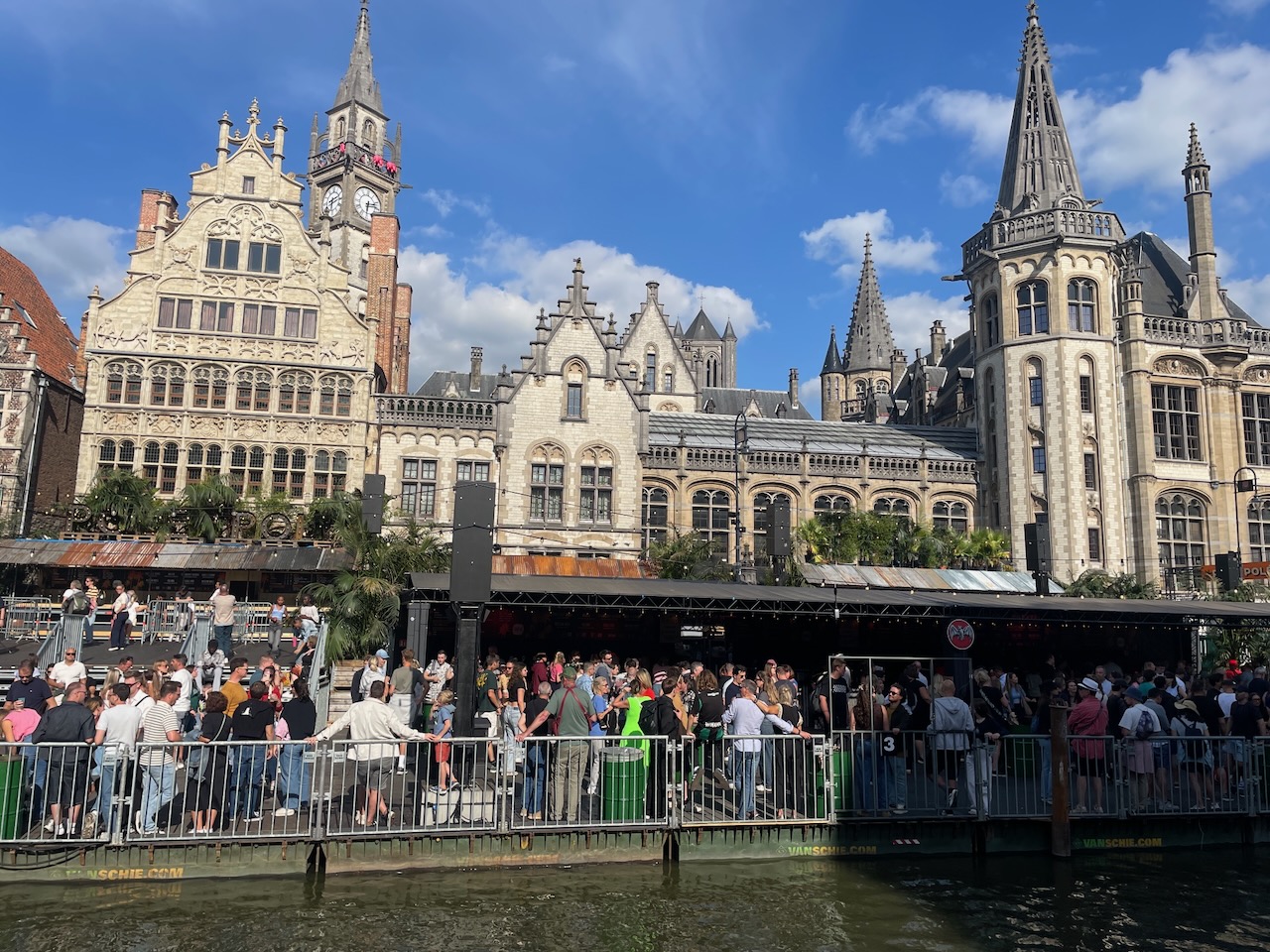
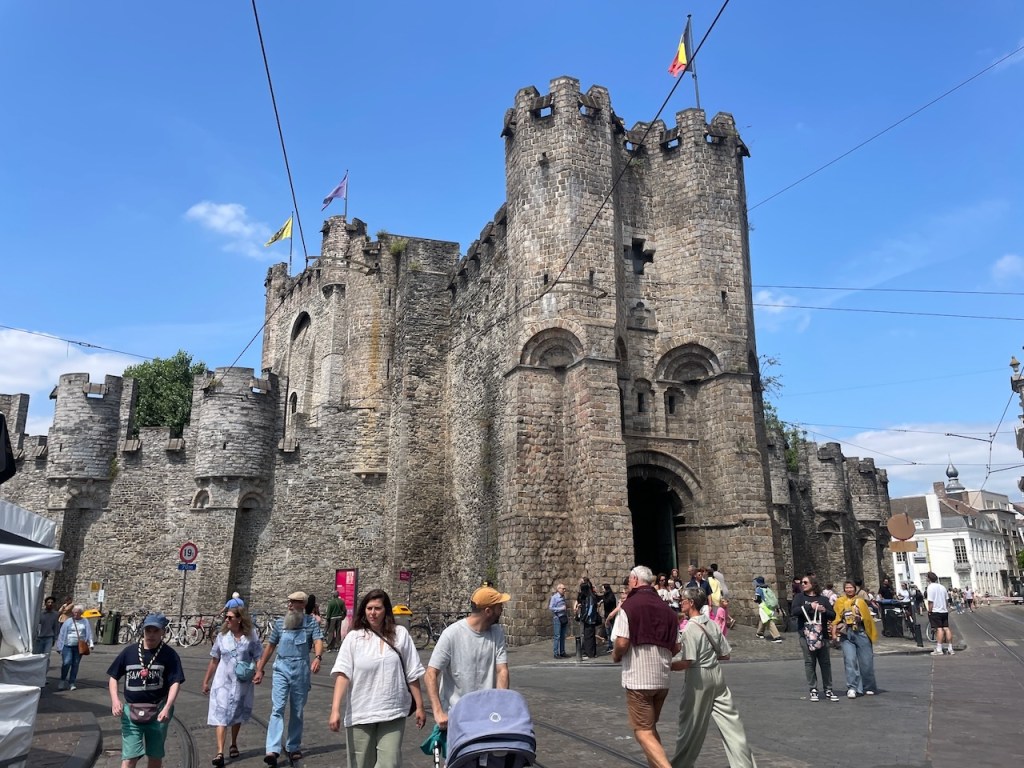
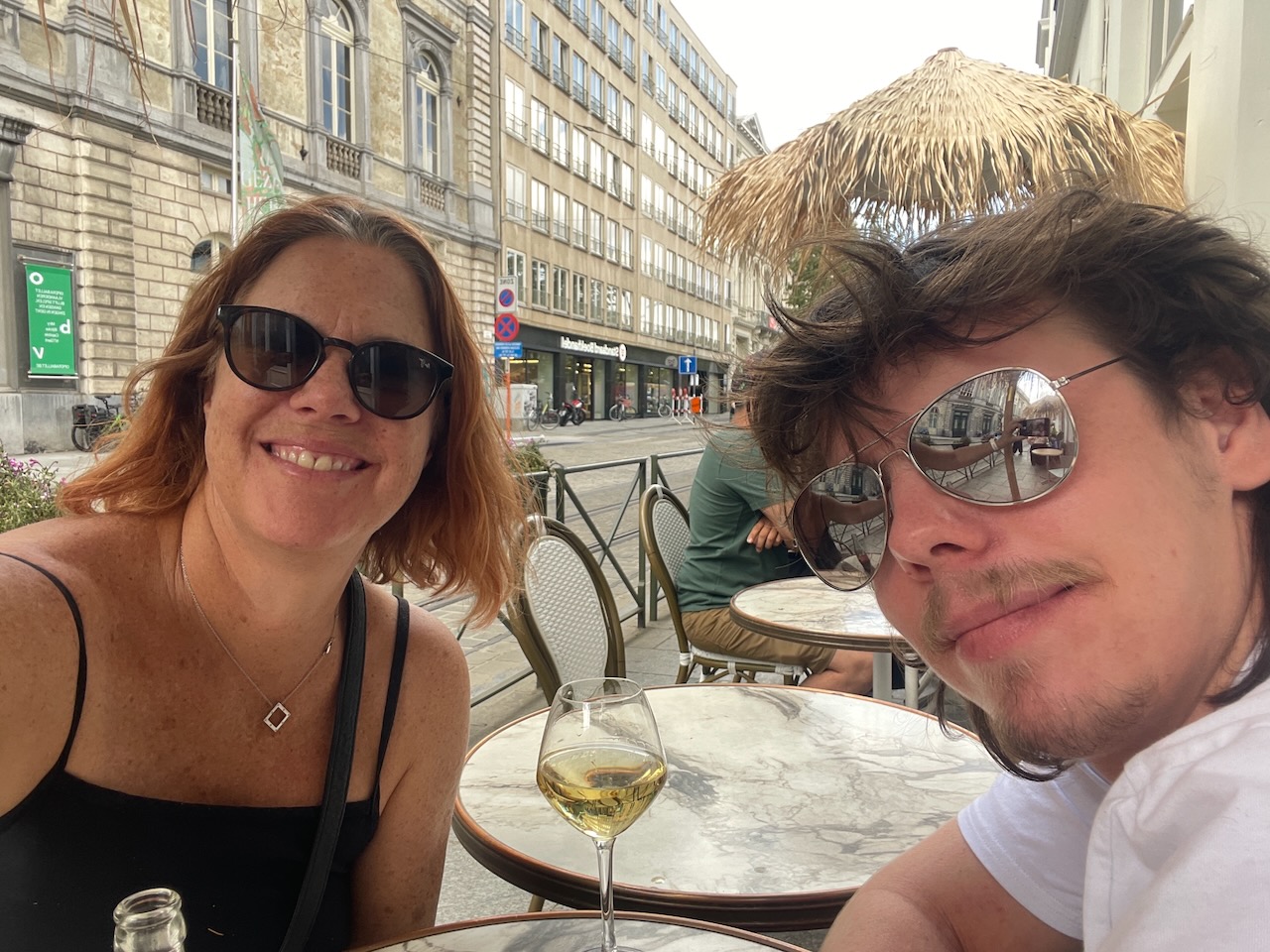
There is nothing I do not like about Ghent, but some highlights have to be my birthday lunch with my son, a canal boat trip with guided history tour and a visit to Gravensteen – the medieval moated Castle of the Counts.
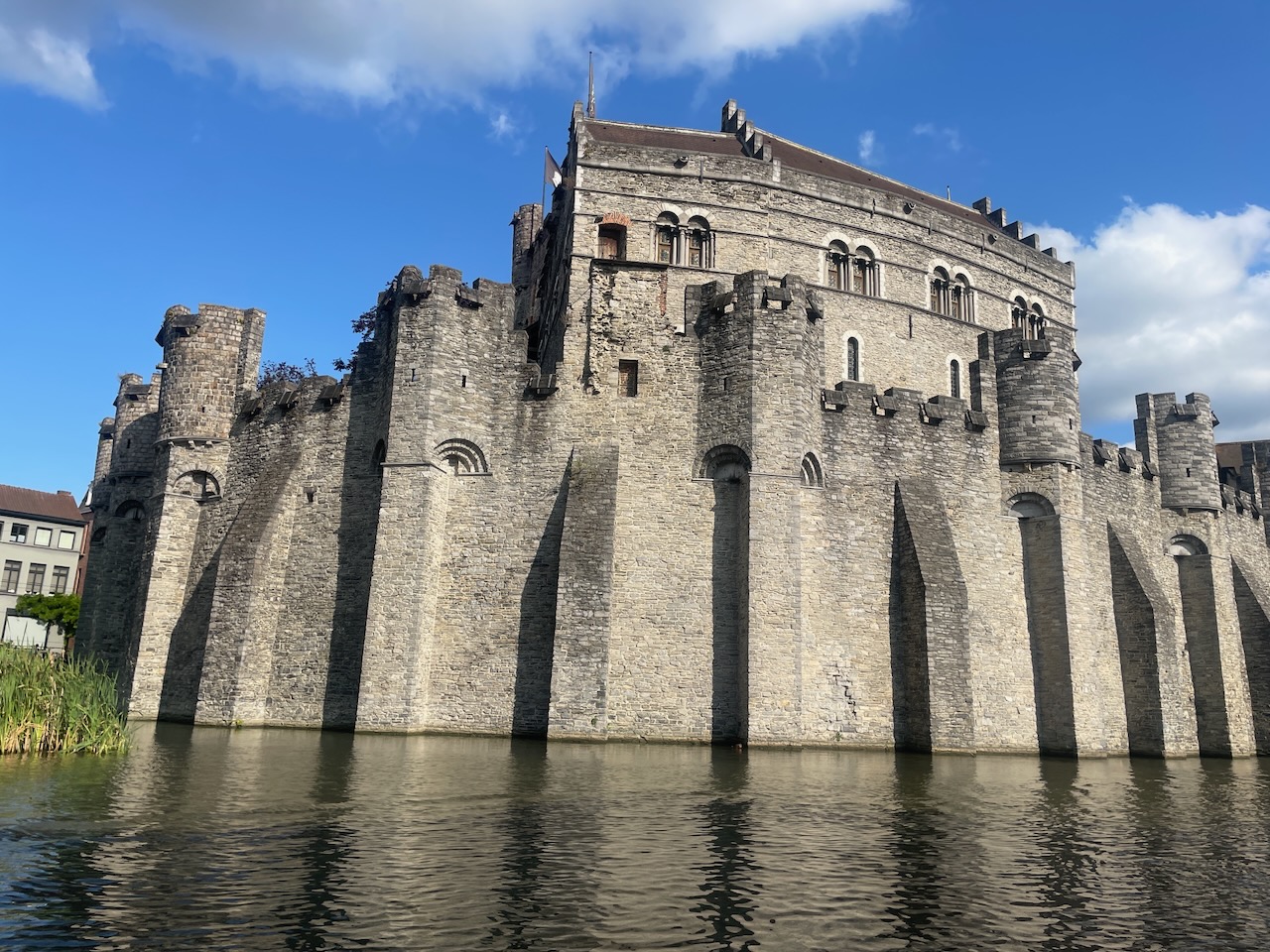
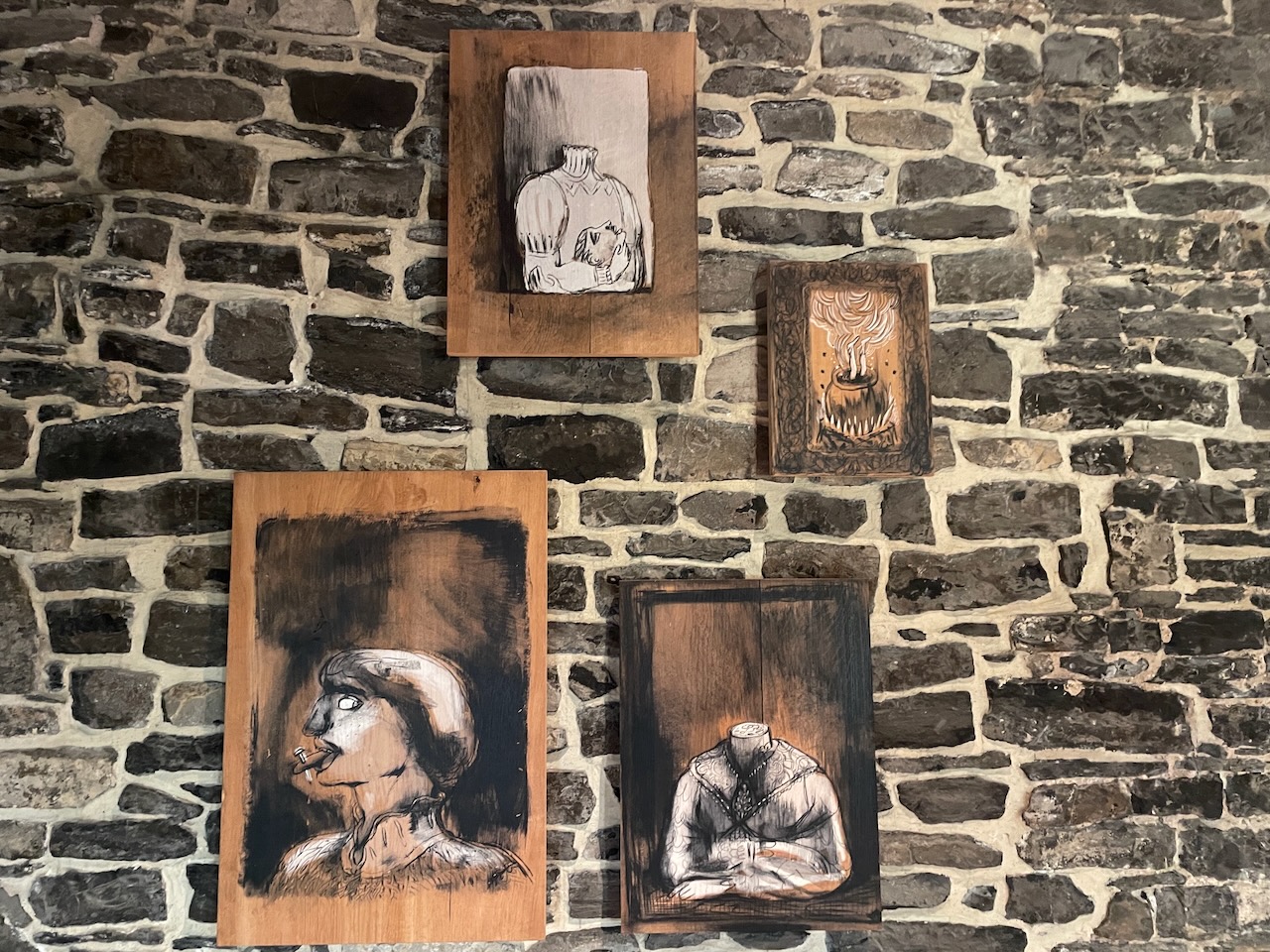
Built in 1180, it’s beautifully restored, full of well documented and laid out artifacts of war and a history of the torture old Europe is well known for.
The view from the roof is worth the climb.
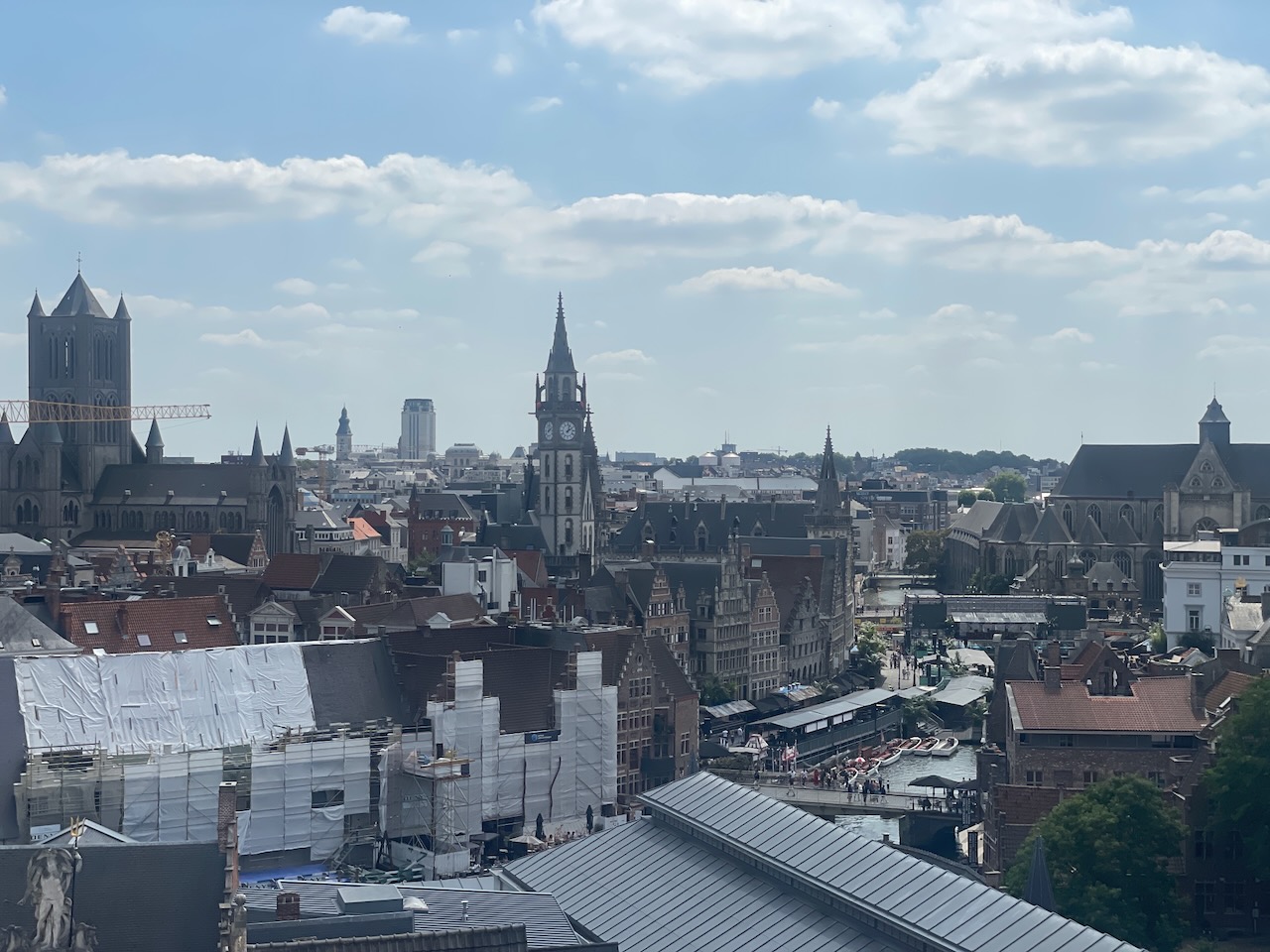
There is much more to be seen, and more than that, experienced. So, it’s on my go back to list.
In both Germany and Belgium, and last year in Spain, we drive through expansive countryside and into or through these amazing historical towns and villages. Huge churches or castles, busy market squares, narrow cobbled streets, stone or wood buildings from the dim and distant past. They probably seem dime a dozen to Europeans. But for those of us born into the Southern Hemisphere, they are the reason to come.
In the smaller towns, there is a sense of time slowed down, rituals that have been performed for centuries still hold sway and people are more in touch with family and the land than they are in bigger cities or other parts of the world. Ghent is a big city by comparison, yet it retains this old-world charm whilst somehow feeling modern and alive. Well worth more than one visit – especially one that involves sitting canal side, in pavement cafes watching the world go by.
Amsterdam is also a canal city. Significantly bigger and busier, with three times the people and quite a lot more landmass. And it is to there that I head next.
Onwards!


Leave a Reply