Life lessons from hanging out with the animals.
We come across lots of elephants in the African bush. Before we’ve even arrived at our final destination, a lively breeding herd crosses the road in front of us, hot and heading for a swim at a nearby watering hole. A baby nearly trips over his trunk along the way.
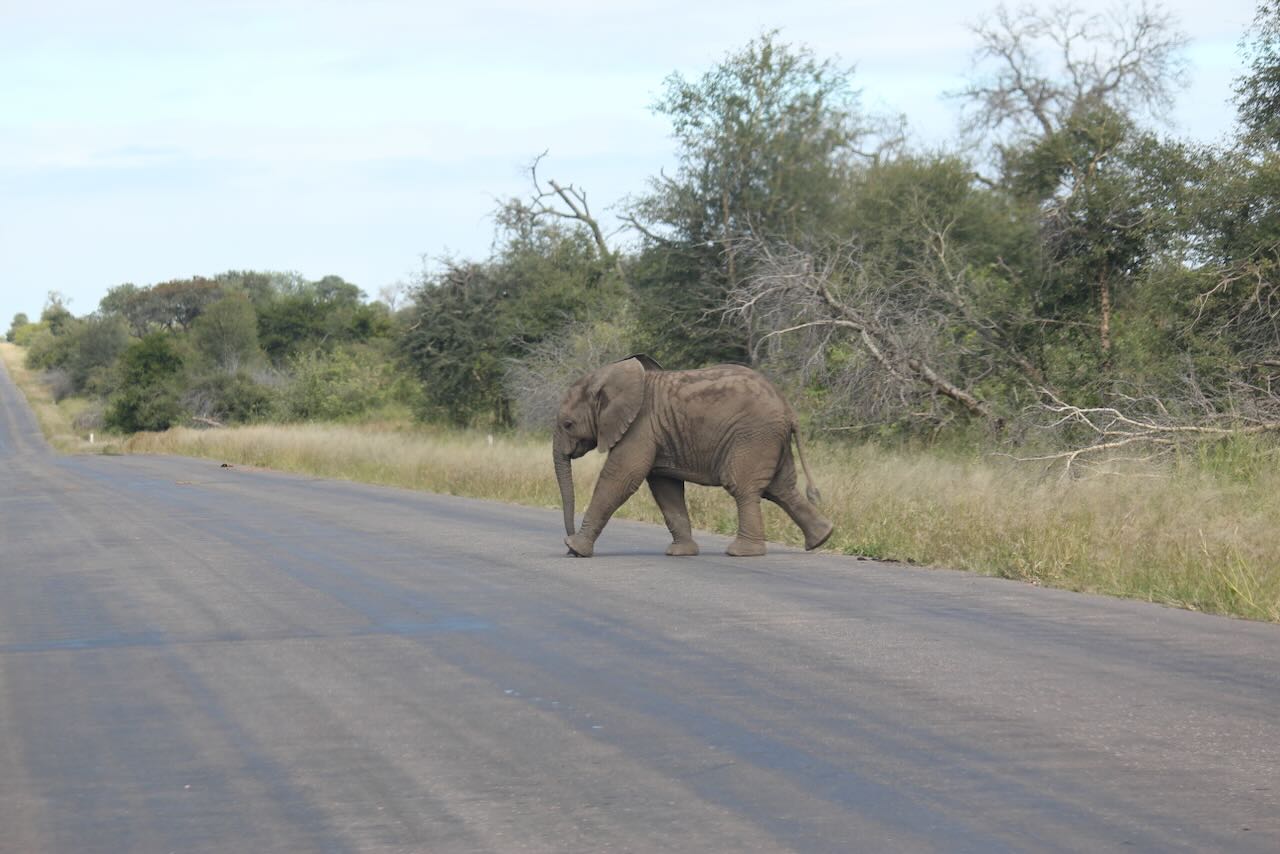
Watching elephants swim is an absolute delight. Deeply intelligent creatures, they are empathetic, playful and family oriented. They’re also huge and can be scary if frightened or grumpy. Of all the animals to come across as we drive our battered old land rover around the bush, I fear stumbling across elephant the most.

Elephants, amazing creatures in every way, have an astonishingly useful dental arrangement. Six sets of molars. Necessary if you’re chomping your way to 60 000 calories in leaves, grass and sticks on a daily basis. Born with our miserable set of two, they’d have never made their way up the evolutionary ladder to be what they are. Some of their ancestors didn’t, of course.
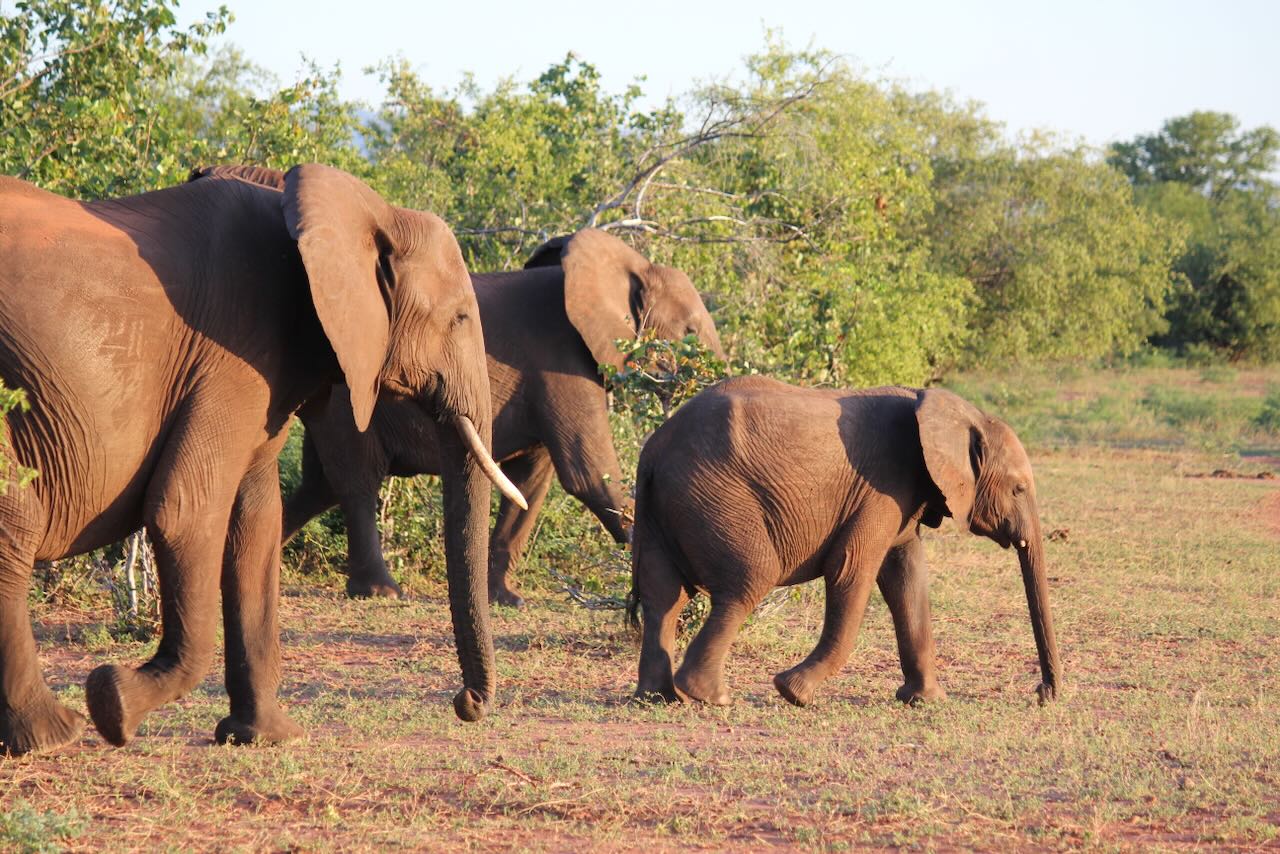
Baby elephants face all sorts of threats. They can be prey for opportunistic hunters like lions, crocodiles and hyenas. They can also fall into mud holes and get stuck. But, with fiercely protective mums, sisters and aunts – baby elephants tend to grow into big elephants. And the only real direct threat to a big elephant is shit humans. Poachers, hunters and the mindless morons who want an ivory tusk to show off their status and worth (aka, small penis syndrome).
Old elephants live longer than their allotted teeth allowance. To achieve the pinnacle of old age, in the elephant world, is to starve to death. This really gets me thinking about the point of life and what we’re holding out for. Everyone runs out of teeth, metaphorically speaking.

Further north, in the Matusadona game range on the edge of Lake Kariba, Zimbabwe, the battered male pride lion, the head honcho, lies asleep in the red sand. He has a nasty gash on his shoulder and, we later note, is sporting a limp. We watch him until he wakes, eyes suddenly bright on us, and listen to his roar, loud and guttural as he tests his territorial boundaries.

Unfortunately for him, not too far away, a pair of interlopers reply with gusto, and the current boss of the pride skulks away into the trees in the other direction. A hunt is on. Our guide follows the sounds of bluster and response, and parks us gently around some bushes just as the brothers emerge. Puffed up and full of the arrogance of youth, they march quickly across the landscape in search of the king they seek to topple.

This is both sad but necessary. The harsh reality of life that requires new blood to keep the genetic line fresh (mating with one’s daughters is poor form in any world), and the pride fit and future ready. The pride lion may well still have his teeth, but he is old and weak. Even kings run out of runway.

And what might this tell us about our own success obsessed culture? Even those who achieve great things fade to insignificance. There is no perfect ending to life. Unlike lions, humans gifted with a long life have to opportunity to try new things. Those who focus too much on the past, and what has been lost, add unnecessary misery to their final years. Everything changes, always.
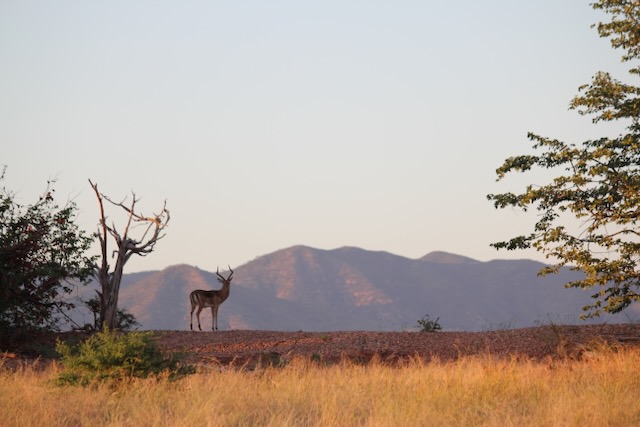
Of all the animals in the wild, perhaps the Impala has the most reason to exhibit a sense of anxiety. A sprightly buck that hangs around in large groups, they are bottom on the food chain, the McDonalds of the bush. Tasty fodder for lions, cheetahs, leopards, wild dog and hyenas. Even crocodiles might have a go.

If I was an impala, I’d be a nervous wreck. Impalas however seem not to be weighed down by symptoms of anxiety. They are the true embodiment of the catch phrase “be alert, not alarmed”. Statistically, they have low likelihood of being eaten – there are so many to choose from. But do they really understand this?
Here lies the best lesson of all. Human animals – safer and safer from the dangers of the wild – have become more and more anxious. Debilitatingly so, for many. Our fears lie in our heads, not in the real world, and the constant negativity of the media and our focus on safety at all costs, which takes away our ability to test out our resilience, is paralysing young people everywhere.
A super anxious impala would starve to death – too skittish to get enough nutrients. Evolution has likely weeded the nervous nellies right out the gene pool. Humans, the opposite. Our ancestors include nervous apes, scuttling to the trees at even the vaguest notions of lions in the grass. But balanced with brave pants apes who took risks to great reward. We are the product of both.

The point is, anxiety can be paralysing, but living safely until old age just means you get to the point where you run out of teeth – figuratively and literally. You get old, but have you really lived? Have you got stories to bore your grandchildren with?
Anxiety is overrated (I keep telling my brain). And it’s exhausting. But we have the tools to deal with our various fears and phobias, if we choose to.
I’m terrified of a lot of things. I try quite hard to give them the middle finger when I can. It’s heart beating fast stuff.
Like taking a small plane through bouncing skies to the edge of magnificence.

Or choosing to believe I am capable of driving the land-rover myself. Coming bumper to face with lions taking a stroll down the road nearly gave me a heart attack. But at least it wasn’t an elephant.

Everything we do widens our comfort zone. Makes us more capable. Not necessarily less afraid, but braver. Willing to give it a go. And living one’s own life of purpose – rather than being chased by the shadows of competition or fear of failure – makes our lives rich and meaningful. Worth living, really.
Being in the bush is a good reminder to get off the internet and live real life. If we are lucky enough, we’ll eventually run out of teeth. Better make sure you fill the time before then with wonder and adventure. Like getting to experience an African sunset. Really, nothing beats it.

Onwards,
Sharlene
 Midlife Unpacked
Leave a comment